
 €
€ Hiking
  Camping
  Trail
Trail  Running
  Mountaineering
  Climbing
  Mountain biking
  Road biking
  Survival
  Canyoning
  Alpine Skiing
  Ski touring
  Snow activities
  Snowboarding
  Cross-country skiing
  Lifestyle






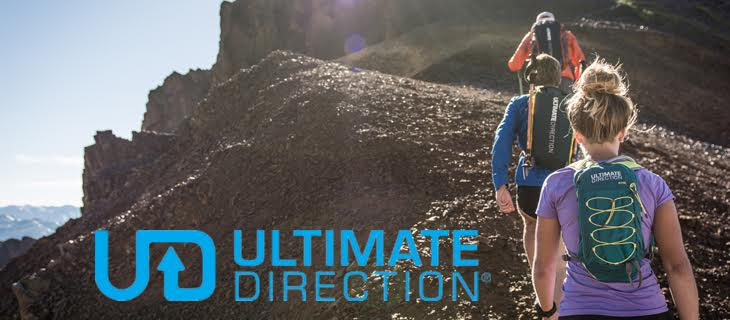
Ultimate direction — Trail backpacks for men & women

Discover our selection Ultimate direction : backpacks, hydration solutions, and men's textiles. Buying guide, tests, and express delivery.
 |
Ultimate direction : guide to trail backpacks
Are you looking for a lightweight, stable backpack suitable for trail running? This guide presents flagship models, technical features, test feedback, and buying advice.
Presentation of models
The range covers solutions for short outings as well as ultras. There are compact hydration vests (5 to 8 L), versatile models (10 to 15 L), and larger packs (20+ L) for ultra and expeditions.
- Lightweight vests (5–8 L) : designed for fast running. Front storage for flasks.
- Versatile vests (10–15 L) : option to add a small hydration system or flask. Side pockets and back pockets.
- Ultra packs (20–30 L) : volume for spare clothing, food, and safety equipment.
Technical features
- Weight: from ~120 g for the smallest vests to ~700 g for ultra packs.
- Capacities: 5 L, 8 L, 12 L, 15 L, 20 L, 30 L depending on the model.
- Features: front pockets, stretch side pockets, compatible water pocket, adjustable chest strap, pole holder, reflective elements.
- Materials: lightweight ripstop fabric, breathable mesh. Reinforced seams at attachment points.
- Adjustment: adjustment system on the chest and removable hip belt to stabilize the load.
Tests and user feedback
In the field, models are often praised for their stability at high intensity. Users appreciate the load distribution and quick access to flasks.
Frequently mentioned positives: comfort, lightweight, organizational capacity. Areas for improvement: perceived high price for some versions, sometimes limited dedicated storage on the most compact models.
Our selection compares several models based on usage: short quick outing, long-distance trail, ultra.
Quick comparison
- Best for speed and short distances : vest 5–8 L: ultra lightweight, easy front access.
- Best versatile : 10–15 L: good compromise between storage/weight.
- Best for ultras : 20–30 L: volume and comfort for heavier loads.
Guide to making the right choice
Define your practice:
- Short trail (less than 2 h): prioritize lightweight and stability.
- Medium trail (2–6 h): choose accessible pockets and a capacity of 8–15 L.
- Ultra (6 h+): opt for 20 L+ and a good hip belt.
Also consider: torso length, type of hydration (flasks vs water pocket), presence of poles, and required safety equipment.
Adjustment and use
Practical tips:
- Adjust the chest strap to limit movement of the top of the pack.
- Tighten the hip belt to transfer weight to the hips.
- Organize heavy gear close to the back and low for better balance.
- Test your pack on 1–2 outings with the expected load before the main goal.
Purchase: price and where to buy
Prices vary depending on the model and options. Generally, expect between €60 and €220 depending on size and features.
To find the best deal, compare product sheets, return policies, and shipping costs. Also check the size guides provided by the seller.
Whether you are preparing for a weekend or an entire season, our online comparison makes the decision easier. You will find everything for trail in the dedicated sheets and tests.
We list online purchasing options and promotional offers. Our goal: to help you find trail bags from the best brands while remaining objective about the quality/price ratio.
Enjoy a selection of trail equipment at the best price and express delivery options depending on the seller.
User reviews
Common comments: very good stability even on technical terrain, practical front pockets for gels and phone, reliable hydration system. Some feedback mentions a necessary break-in period to avoid chafing from the straps.
FAQ
- What volume to choose for an ultra?
- Plan for 20–30 L depending on the weather and required gear. More volume = more weight.
- Are these packs compatible with a water pocket?
- Yes. Most models accept a standard water pocket or front flasks.
- How to avoid chafing?
- Properly adjust the straps and load the pack in a balanced way. Wear a technical layer without thick seams at the strap areas.
- Can poles be used?
- Yes. Models often have attachments or straps to store poles during the run.
Conclusion
Bags in this range offer an excellent compromise between lightweight and functionality. Test the model suited to your outings and check the return policy before purchasing. Our sheets and tests help you choose with confidence.
Need personalized advice? Contact us for a recommendation based on your practice and size.
