
 €
€ Hiking
  Camping
  Trail
Trail  Running
  Mountaineering
  Climbing
  Mountain biking
  Road biking
  Survival
  Canyoning
  Alpine Skiing
  Ski touring
  Snow activities
  Snowboarding
  Cross-country skiing
  Lifestyle






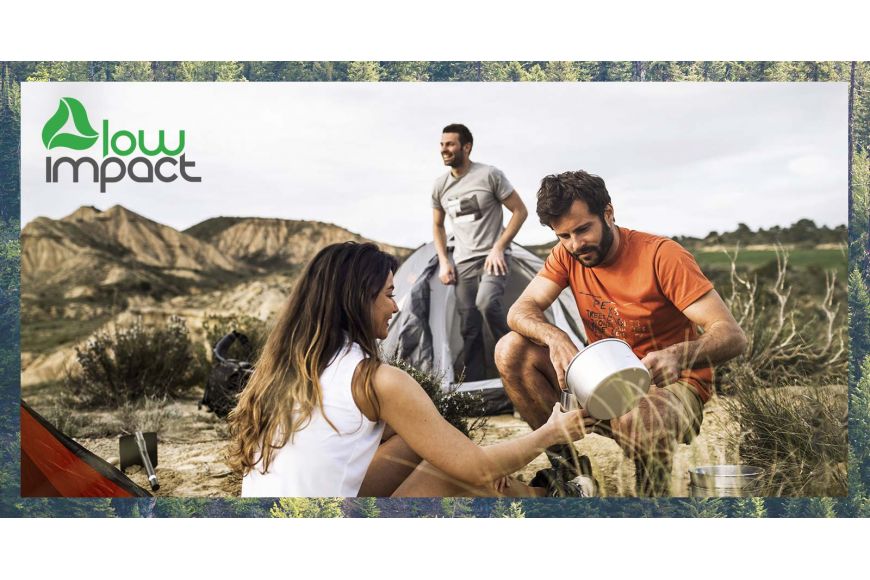
Zero waste hiking: why and how
Spring is one of the most beautiful seasons for walking, running, or strolling in nature. Whether in the mountains or in the plains, flowers bloom, it smells good, and the temperatures are ideal for exploring, camping, or simply leaving your worries behind in the valley. If you're looking to go light and clean, this article guides you step by step. We talk about zero waste hiking Lafuma, give you concrete tips, and stay pragmatic: no fluff, just tested solutions in the field.
Before your outing: prepare smart
Preparation is 80% of success. In cooking as in equipment, you can reduce your waste before you leave: prepare your snacks, prioritize reusable items, and especially think about what you take. For family or friends outings, consider packing your snacks in durable containers: you save on packaging and eat better. We also recommend evaluating the route to avoid having to improvise purchases on site.
When it comes to equipment, you need to know how to choose your hiking backpack well. A good backpack is essential: appropriate size, practical compartments, durable materials. It will hold your containers, your technical layers, and your small zero waste gestures.
The material: durable and functional
Here, we test everything. And we favor a selection of eco-friendly materials that performs well in real conditions, winter and summer. The idea is not to be perfect, but to strive for the most responsible: solid, repairable products designed to last. This reduces the frequency of purchases and thus the waste generated in the long term.
Among the choices to prioritize, we recommend reusable containers, high-performance textiles, and easily repairable items. We avoid systematic disposables and choose practical alternatives: water bottles, airtight containers, rechargeable flashlights, etc.
During the hike: simple and useful gestures
On the trail, attention to detail makes all the difference. Limit packaging: eat pre-prepared foods, minimize single-use products, and bring a bag to take your waste home. For hygiene, prefer biodegradable soap over disposable wipes. These small choices reduce immediate impact and facilitate the protection of wildlife and flora.
We also think about textiles: performance hiking clothes, designed to wick moisture and last several seasons, allow you to wash less and thus consume less water and cleaning products, while remaining comfortable and safe on demanding terrains.
After the outing: share and sustain
Zero waste hiking continues after the descent. Talk about your experience with your friends, show what you bring and why. You can also organize a local cleanup: it's useful and educational. Finally, think about maintaining and repairing your equipment rather than replacing it. It's a habit that lightens your footprint and your budget.
If you want to go further, look for a selection of eco-responsible products from retailers, inform yourself about labels, and prioritize products that clearly indicate their life cycle.
7 principles to follow on the ground
- Plan and prepare your outing well.
- Do not camp on fragile or protected surfaces.
- Pick up all your waste and take it back.
- Leave the place in the same state you found it.
- Minimize the impact of a campfire.
- Respect wildlife.
- Be kind to other visitors.
Product choices: durable and responsible
To equip your outings, focus on outdoor products that respect the environment. What criteria to consider? longevity, reparability, transparency about materials, and preference for recycled or natural materials. A good product will last you for years, can be repaired, and ultimately costs less than a disposable gadget.
On the materials side, we look at recyclable materials but also organic and natural fibers depending on the use: organic cotton for casual wear, merino wool for insulation, and recycled technical materials for membranes and outer fabrics. These choices promote a more virtuous cycle.
Where to buy and what values to support
When we talk about purchasing, it's not just about price: we talk about impact. For certain ranges, the option of buying outdoor natural materials can be relevant, especially if you're looking for comfort and a reduced ecological footprint. For others, recycled innovations offer performance and lightness.
If you want to support a fairer economy, look for an offer of eco-responsible fair trade purchases: this sometimes translates to slightly higher costs, but better transparency and more responsible social practices.
Practical checklist before leaving
- Reusable containers (water and food).
- Appropriate backpack and repairable parts.
- Reusable hygiene products and biodegradable soap.
- Technical clothing suitable for the weather.
- Trash bag to take your waste back.
AlpinStore and Lafuma: a story of the field
Since 2016, AlpinStore has equipped enthusiasts and selected items tested in the field. We work with committed partners like Lafuma to support concrete projects: cleanups, reuse of fabric scraps, and responsible workshop practices. These actions show that equipment can be high-performing and designed to last.
If you're looking for everything for hiking in a responsible way, we help you find the right balance: performance, comfort, and controlled impact. We stay pragmatic: solutions adapted to different types of outings, from morning trail runs to long loops over several days.
Finally, zero waste hiking is a collective adventure: we learn, we share, we improve. You're not alone on the trail. So, ready to try an outing that respects nature and leaves you feeling like you've made the right choice? We follow you, we support you, and we offer solutions so that every outing counts.
Happy hiking, passionate and intrepid, and don't forget: the mountain deserves our caution and respect.

Leave a Reply
All fields are required