€
€ Hiking
  Camping
  Trail
Trail  Running
  Mountaineering
  Climbing
  Mountain biking
  Road biking
  Survival
  Canyoning
  Alpine Skiing
  Ski touring
  Snow activities
  Snowboarding
  Cross-country skiing
  Lifestyle



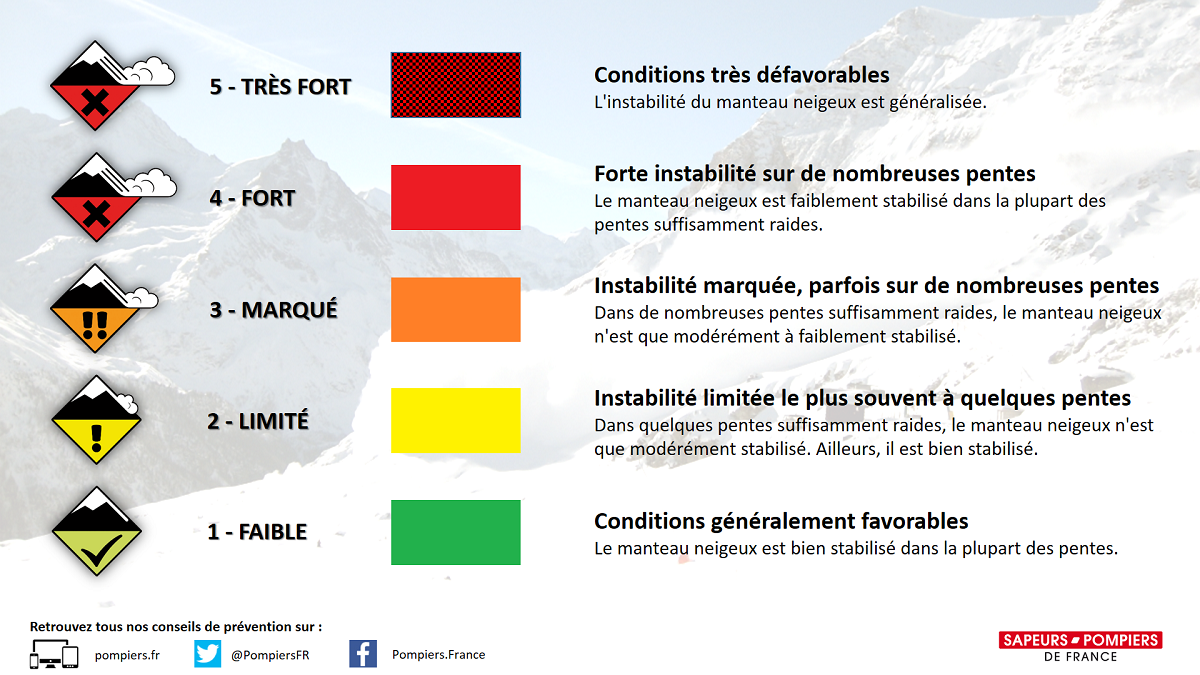
Risks are classified into 5 categories:
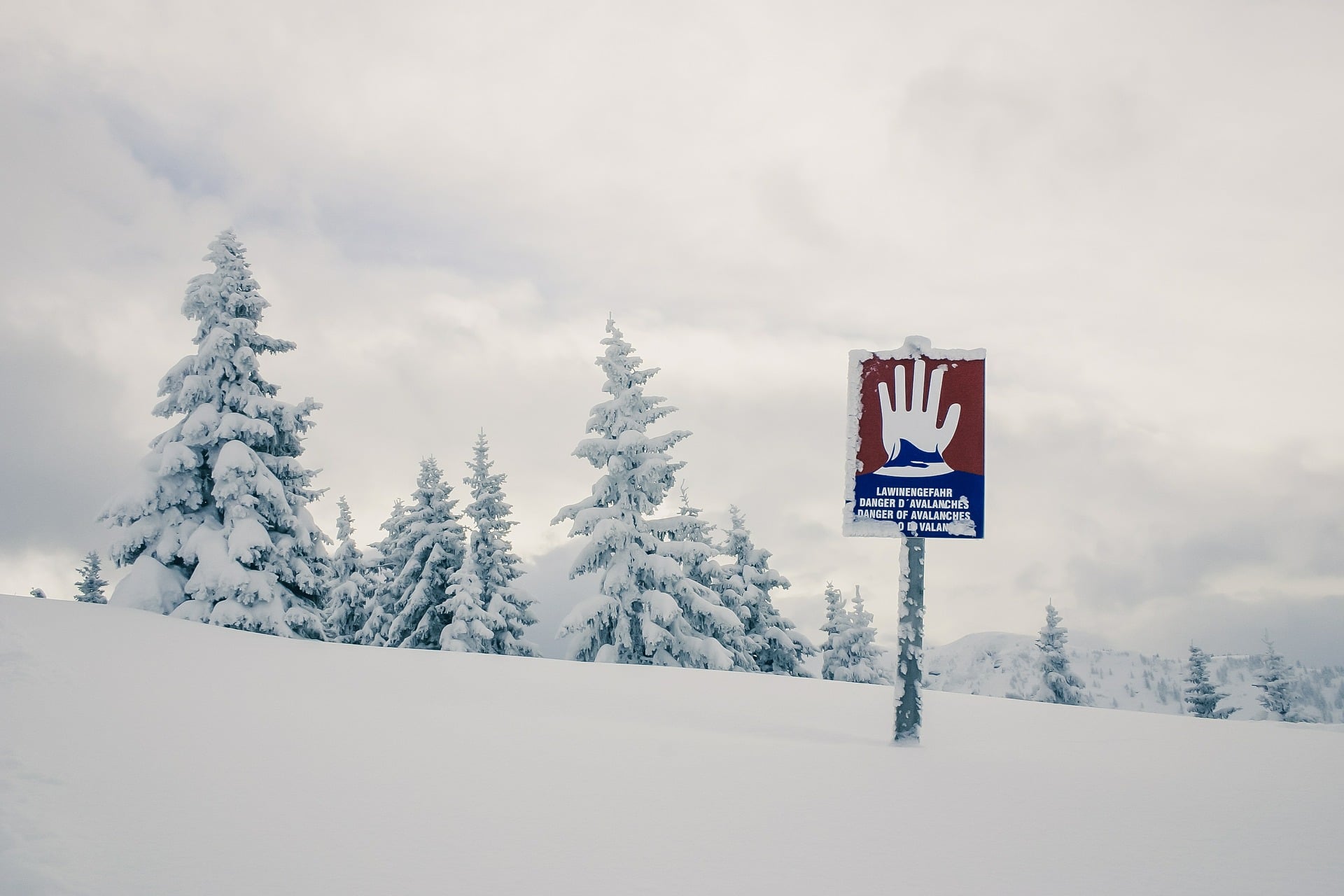
In case of heavy snowfall, rain, or sudden temperature changes, one must be very vigilant. Avalanches can occur spontaneously. To properly prepare for your outings, do not hesitate to consult our climbing and mountaineering accessories shop to be properly equipped. You can also find all the affordable mountaineering gear for safe outings.
Some tips to avoid risks:
Stay informed about weather conditions and dangerous areas. The risk level is provided by the avalanche risk estimation bulletins from Météo-France, or by the avalanche risk pictograms and flags installed in the resorts.
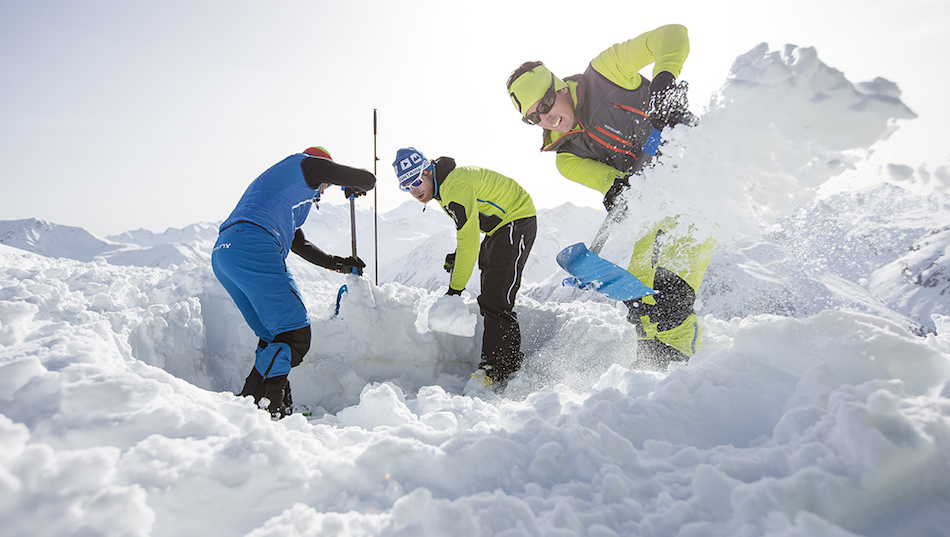
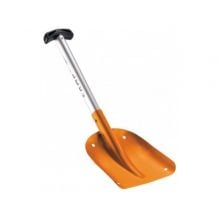
Carry a DVA (avalanche victim detector) or an ARVA (avalanche victim search device): a transmitter-receiver that allows for easier location of a person buried under an avalanche), a shovel, a probe and a phone regardless of the activity (off-piste skiing, hiking, etc.). Don’t forget to buy avalanche safety gear before leaving, and remember to check your Ortovox DVA equipment online or buy a Mammut airbag pack for enhanced safety.
Do not go alone
Inform someone of your round trip itinerary and expected return time
Cross a risky area one by one, then take shelter in a safe zone
When hiking, maintain a good distance between each group member: this avoids overloading the snow slabs
Take the least steep slopes
Keep an eye on the other group members
Never stop below the track of others: the avalanche risk is multiplied there
Move smoothly, avoid sharp turns and, if possible, falls.
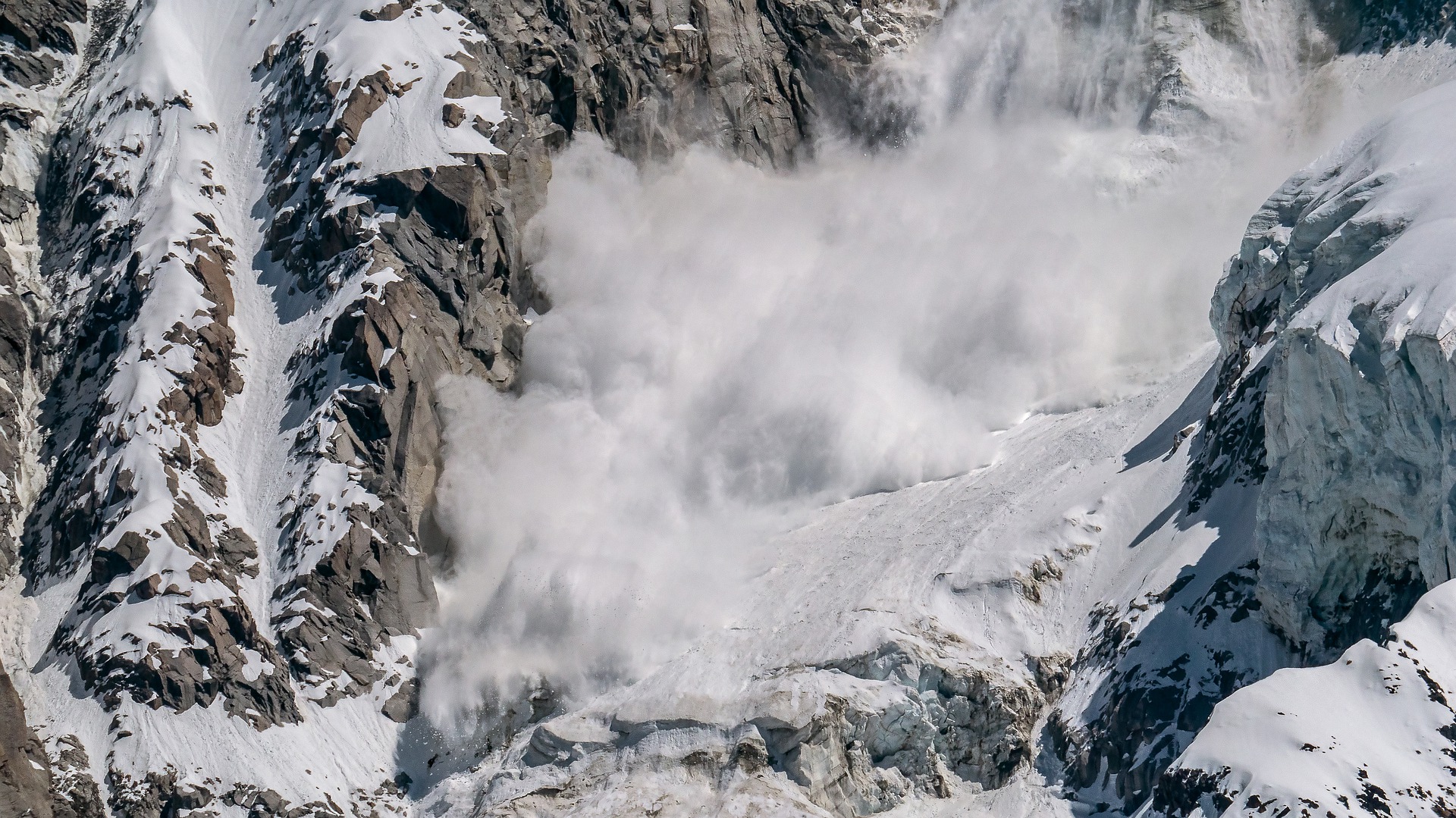
What to do in case of an avalanche?
Try to escape laterally
Never try to descend faster than it
Protect your airways by placing your hands in front of your nose and mouth
Try to stay on the surface by making large swimming movements
Get rid of your backpack if it is heavy, keep it if it is light, it can protect against cold and shocks;
Grab onto obstacles (trees, rocks, etc.) to avoid being swept away.
What to do after an avalanche?
Create space around yourself to clear your airways while avoiding filling your lungs with snow
Dig, if possible, upwards, towards the light
Try to stretch your arms or a pole to pierce the surface of the snow
Do not exhaust yourself by shouting, to try to be heard, emit short and high-pitched sounds (the ideal would be a whistle)
Never fall asleep.
Emergency call: 112
If you witness an avalanche, you must:
Take shelter by leaving the avalanche's trajectory
Keep an eye on the point of disappearance of the victims
Check that a second avalanche does not occur
Once the avalanche is over, immediately alert the rescue services by dialing 112
Locate the lost items of the victims without moving them, as this can help rescuers in their search
Use all your senses to gather as many clues as possible to find the victims (sound, visual clues, movement, smell...)
Use a DVA or an ARVA to locate the victims more easily by switching to "search" mode
Probe the snow. For mountaineering outings, it is essential to buy suitable mountaineering gear, affordable mountaineering clothing as well as quality mountaineering ropes. Don’t forget to choose a harness for mountaineering that matches your practice or, if you practice ski touring, invest in a high-performance ski touring gear.