
 €
€ Hiking
  Camping
  Trail
Trail  Running
  Mountaineering
  Climbing
  Mountain biking
  Road biking
  Survival
  Canyoning
  Alpine Skiing
  Ski touring
  Snow activities
  Snowboarding
  Cross-country skiing
  Lifestyle





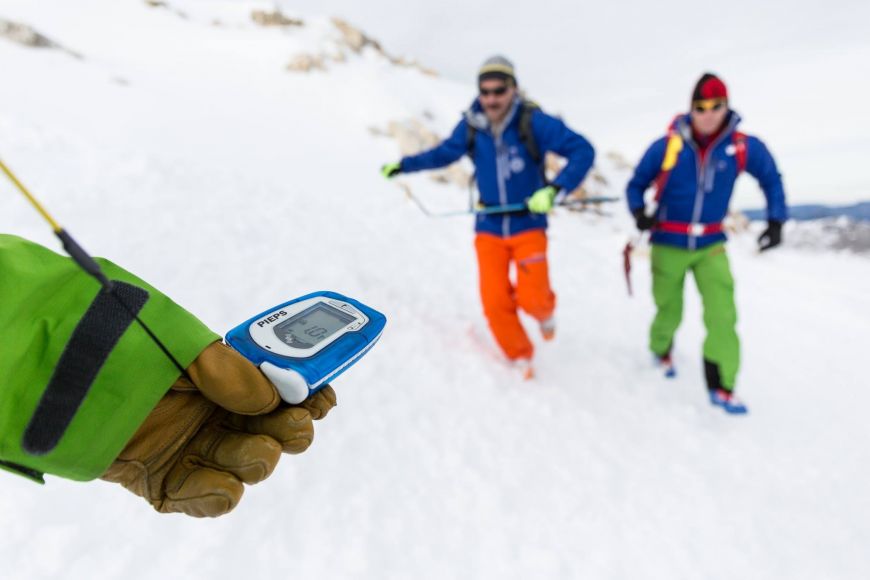
Avalanche DVA comparison 2018-2019
Do you want a clear, honest, and field-tested avalanche DVA comparison? We are AlpinStore: we live for the mountains, we practice and we test. Here you will find a practical, technical, and accessible guide to choosing the right avalanche victim detector based on your practice: freeride, ski touring, mountaineering, or professional intervention.
New products 2018-2019
The models released between 2018 and 2019 have pushed innovation in three areas: range, ergonomics, and multiple victims. Several devices improve the search bandwidth and interface to make searching faster. We describe the major differences without fluff: effective range, number of antennas, battery life, weight, and marking assistance functions.
| model | number of antennas | max range | battery life | weight |
| Pieps Powder BT | 3 | 60 m | 300 h | 220 g |
| Pieps Pro BT | 3 | 60 m | 600 h | 220 g |
These two Pieps show the trend: useful connectivity for maintenance and interfaces designed to save seconds in searches. But technology does not erase the need for training: a DVA is a tool, not an automatic life insurance.
DVAs for all practitioners
Do you freeride on weekends or are you discovering ski touring? Mid-range models offer the best compromise between ease of use and performance. Here is a simplified summary of the consumer devices available in 2018-2019.
| model | range | interface | weight |
| Zoom+ Ortovox | 40 m | very simple | 200 g |
| Pieps DSP Sport | 50 m | single button | 200 g |
| Arva Evo 4 | 60 m | screen, marking | 220 g |
| Neo+ | 70 m | optimized software | 230 g |
| Barryvox Mammut | 70 m | clear navigation | 205 g |
For the regular practitioner, the priority is ease of use: intuitive search, marking victims, and robustness. The differences in range between 50 and 70 meters mainly matter in long and technical searches.
DVAs for mountain professionals
For guides, rescuers, and instructors, you want precision, advanced functions, and durability. High-end models increase range and reliability for multiple victim marking.
| model | max range | battery life | weight |
| Ortovox 3+ | 40 m | 250 h | 210 g |
| Pieps DSP Pro | 60 m | 400 h | 200 g |
| Arva Axio | 80 m | 250 h | 230 g |
| Barryvox S Mammut | 95 m | about 300 h | 205 g |
| Pieps Micro | 50 m | 200 h | 150 g |
Choosing a pro model also means accepting a learning curve: we encourage you to repeat search exercises and multi-victim training in teams. The difference is made in stress management and methodology.
Online purchase at the best price: how to choose your DVA?
You may be wondering: what criteria take precedence? Here are the priority elements to sort through, based on your practice and your team:
- number of antennas: 3 antennas recommended for precision
- range and bandwidth: useful for early detection, especially in committed areas
- ergonomics: clear interface, single button or readable screen when it shakes
- battery life and type: think about the long winter and lithium batteries if you go far
- weight and bulk: every gram counts in ski touring
We also advise you to look at your entire kit: a well-organized backpack, a suitable shovel and probe, and above all, regular training. If you want to optimize the load, look for a good high-performance mountaineering backpack to store all that without hassle.
To complete your equipment, our climbing and mountaineering accessories shop offers specific tools. If you practice mountaineering, think about the rest: solid mountaineering equipment, quality mountaineering harnesses, and if you need to replace a rope, how to buy a rope for mountaineering suitable for your practice.
If budget is a constraint, we also have a selection of affordable mountaineering equipment and affordable mountaineering clothing: solid solutions without breaking the bank. We guide you to find the best performance/price ratio.
Maintenance, tests, and practice
A DVA requires maintenance: check the batteries before each outing, regularly test the search mode, and participate in rescuer or club workshops. During an exercise, time yourself, repeat multi-victim scenarios, switch roles, and adjust your technique.
Conclusion: the comparison does not replace training. Choose your DVA according to your practice, try it in real conditions, and train. We support you: serious advice, clear language, and gear tested by our team.
If you want, we can advise you based on practice: tell us your level, your terrain, and your team, and we will guide you to the most suitable DVA. We await you on the trails.

Leave a Reply
All fields are required