
 €
€ Hiking
  Camping
  Trail
Trail  Running
  Mountaineering
  Climbing
  Mountain biking
  Road biking
  Survival
  Canyoning
  Alpine Skiing
  Ski touring
  Snow activities
  Snowboarding
  Cross-country skiing
  Lifestyle




CAMP — Complete guide: definitions, styles, and equipment
_(11).png)
Discover our selection of C.A.M.P.: equipment for CAMPing, trekking, climbing, and mountaineering. Practical advice, safety, and express delivery.
.jpg)
.jpg)
_1.jpg)
A LITTLE HISTORY
The birth of C.A.M.P. dates back to the establishment of Nicola Codega, a skilled blacksmith, in a small workshop producing wrought iron pieces in Premana, Italy in 1889. 120 years and four generations later, it is still in Premana that the company's headquarters are located, which now exports mountain equipment and industrial safety gear to 77 countries, through 3 brands: C.A.M.P. , C.A.M.P. Safety and CASSIN. Mountain equipment appeared as early as 1920 in CAMP activities with the first ice axes for alpine troops.
C.A.M.P. France is a subsidiary of CAMP Italy since 1988. Located in Sallanches, at the foot of Mont Blanc, the company is thus close to its core business. It is an autonomous unit, with a storage warehouse, a commercial service, administrative, accounting, and customer service.
THE SPORT AND SAFETY RANGES
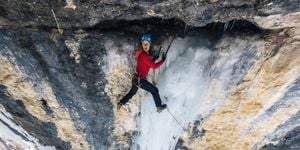
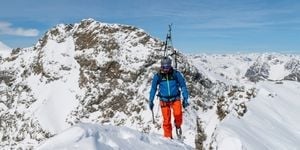
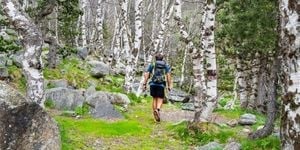
The Sport activity of C.A.M.P. is broad, ranging from climbing to trail running, including ice climbing, trekking, ski touring… The reputation of C.A.M.P. is well established regarding lightness. Many products are designed and thought to be "light". This range covers all the necessary equipment for mountain activity lovers, trail running, climbing, ski mountaineering, trekking: helmets, ice axes, harnesses, carabiners, backpacks, ropes, clothing
C.A.M.P.'s experience in the mountain environment has naturally led us to the field of safety and work at height. The technology of lightness has also been imposed in the design of the Safety range. This range therefore covers all equipment for safety and work at height: helmets, harnesses, carabiners, ropes, lanyards, fall protection, personal protection
CAMP, definition and practical guide
Definition and origin of the word "CAMP"
The word "CAMP" refers to a temporary outdoor accommodation place. It comes from the Latin "CAMPus" which means field or open space. Today, it encompasses several realities: a bivouac, a designated CAMPing area, a summer camp for children, or a base camp for mountain activities.
Different types of CAMPs
- Designated CAMPing: sites, sanitary facilities, sometimes activities.
- Wild CAMPing: discreet bivouac away from infrastructure.
- Summer camps: structures for youth with supervised activities.
- Base camps: starting point for hiking, climbing, or mountaineering.
Essential gear for CAMPing and climbing
Appropriate equipment increases comfort and safety. For sleeping, consider quality CAMPing gear for restorative nights. For clothing, prioritize outdoor men's textile equipment suitable for layering and weather conditions. If you are mountain running, look for trail gear at the best price to stay light without sacrificing quality.
Frequently searched technical items
- For winter raids, a C.A.M.P. ski backpack can make a difference in organizing gear.
- Before a major expedition, check the sale of C.A.M.P. sleeping bags for models suitable for low temperatures.
- For fixed CAMPs, buying a C.A.M.P. tent often provides robust and well-ventilated options.
- For water activities, look for affordable canyoning gear but certified for safety.
- In climbing, choosing high-performance climbing gloves protects hands on demanding routes.
Choosing your hiking gear
The choice of poles affects effort: knowing how to choose your trekking poles can improve balance and reduce fatigue. Check the length, locking mechanism, and weight. Shoes, the backpack, and sun protection complete the basic equipment.
Best practices for setting up a CAMP
- Choose a flat location, sheltered from the wind and away from flood risks.
- Respect local regulations and the "Leave No Trace" principles.
- Set up the tent on a ground tarp and distribute weight in the backpack.
- Manage water and food: filter water if necessary and store food securely.
- Anticipate the weather and prepare additional layers.
Possible activities in CAMP
Hiking, trail running, climbing, canyoning, nature observation, photographic bivouac, or survival workshops: the CAMP serves as a base for many outdoor practices.
FAQ
- What are the differences between wild CAMPing and designated CAMPing?
- Designated CAMPing offers infrastructure (sanitary facilities, marked sites). Wild CAMPing is freer but subject to strict rules depending on the region.
- What equipment is essential for going CAMPing?
- Tent, suitable sleeping gear, backpack, stove, water purification method, technical clothing, and first aid kit.
- How to choose a good CAMP location?
- Located out of the wind, on flat ground, away from flood zones, and respecting the environment.
- What activities can be practiced while CAMPing?
- Hiking, trail running, climbing, canyoning, fishing, nature observation, or simply relaxation and conviviality.
Where to get the equipment
Compare offers, read reviews, and check the warranty. Even when looking for good deals, prioritize safety: an affordable canyoning gear can be suitable if certified. For sleeping, the sale of C.A.M.P. sleeping bags offers options for different seasons. Finally, always consider the weight/resistance ratio before purchasing.
This guide aims to clarify the uses of the word "CAMP" and assist in choosing equipment and practices. Happy outings and stay safe outdoors!
