
 €
€ Hiking
  Camping
  Trail
Trail  Running
  Mountaineering
  Climbing
  Mountain biking
  Road biking
  Survival
  Canyoning
  Alpine Skiing
  Ski touring
  Snow activities
  Snowboarding
  Cross-country skiing
  Lifestyle



Nocta Project Black Crows: nocturnes in the Chamonix valley
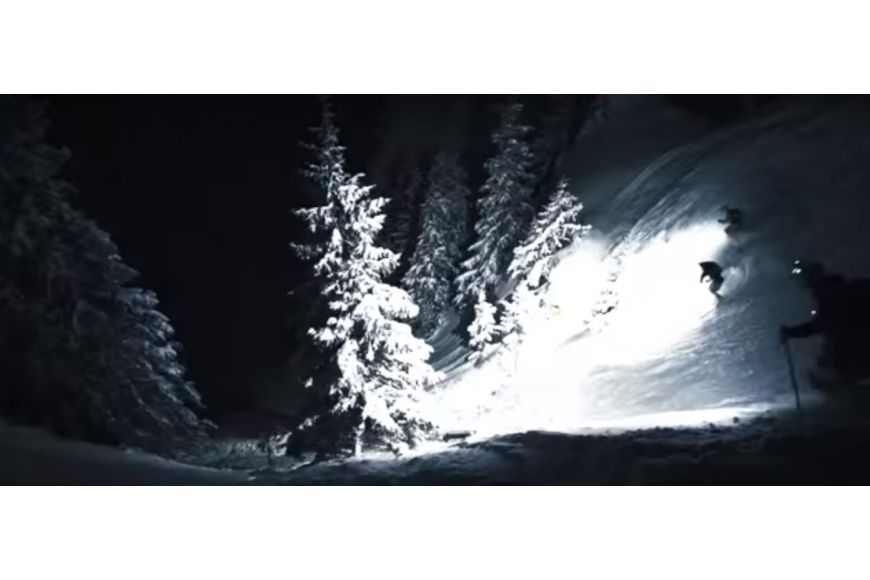
Bruno Compagnet and Layla Jean Kerley, accompanied by Flo Bastien and Julien Casagrande, filmed the second installment of the Nocta Project through the darkness of the Chamonix valley. The film delves into the night: silence, breath, sporadic lights. You experience the mountain differently, rugged and mysterious. It invites you to view mountaineering from a nocturnal, visceral, almost primitive angle.
Why does this project resonate with us so much? Because it combines aesthetics and practicality: careful shots, controlled risk-taking, lived experience. The night transforms landmarks: the cornice becomes a frontier, the wall becomes a suggestion. For those filming, and for those following, it’s an experience that demands respect and preparation. You don’t go beyond without adequate equipment.
If you watch the film, you also see technical choices: lamps, anchors, ropes, team spirit. It’s a useful reminder: technique matters, and it needs to be prepared. Before you leave, always check your mountaineering shoes equipment and the condition of the soles, reinforcements, and the compatibility of crampons/shoes. A decision that can change everything on the icy slope.
The filming shows attitudes: humility in the face of the mountain, controlled improvisation, complicity among the protagonists. You feel the weight of the night, but also the freedom offered by those hours when nature reclaims its rights. You wonder how they manage logistics? It’s simple: planning, redundancy, and a selection of equipment designed for performance and safety. If you want to try the experience for real, start by learning to buy mountaineering shoes suitable for the practice you aim for.
The cinematic narrative of the Nocta Project Black Crows plays on contrasts: silence and noise, shadow and light, human fragility and mineral verticality. This creates scenes that are both contemplative and tense. In the background, the valley remains recognizable; by day, it is tamed, by night, it regains its wild majesty.
For passionate readers: this type of project also shows the importance of good mountaineering equipment and a team that knows how to read the mountain. We’re not just talking about equipment, but the art of preparing the outing, distributing roles, knowing when to give up. The film is not a demonstration of gratuitous feats: it’s a case study on responsibility and know-how.
The scenes of nocturnal progression illustrate the judicious use of ropes and anchors. If you’re assembling your gear, think about a selection of climbing ropes that matches your style: longevity, abrasion resistance, fall behavior. The rope remains the safety line: it does not forgive approximation.
You also see, between shots, discussions about clothing: warm layers, protective cuts, freedom of movement. Technical mountaineering clothing makes a difference when the temperature drops and sweat needs to be evacuated. It’s these details that keep you alert when night falls and fatigue rises.
The narrative highlights practical decisions: sometimes, you need to lighten; sometimes, you need to carry solid gear. For committed mountaineering, you don’t hesitate to invest: in the long run, it’s a gain. However, for beginners, there are alternatives: you often look for where to find a cheap mountaineering harness without sacrificing reliability. We advise opting for certified equipment and checking for wear before each outing.
The human dimension of the filming comes out in quiet moments: sharing around a fire, adjusting equipment, exchanged advice. You feel the team spirit that goes beyond individual performance. It’s also in these moments that you spot equipment errors: wrong shoes, poorly managed anchoring system, or inappropriate ice axe choice. For those watching and preparing, think about listing your priorities and not neglecting equipment maintenance.
In practical spirit: if your budget is tight, you can aim for cheap mountaineering equipment on reliable basics, then complement with high-end where safety is critical. The smart compromise: invest in what wears out the most and protects the best. In this regard, when you want to equip yourself for mixed routes or long climbs, think before buying or borrowing: quality pays.
- credits: Bruno Compagnet, Layla Jean Kerley, Flo Bastien, Julien Casagrande
- location: Chamonix valley, night outings and committed routes
The film also inspires practical questions: where to buy reliable gear? How to test a product in conditions? If you want to try specific models, inquire about field feedback and ask advice from practitioners. Some opt for versatile equipment, others for hyper-specialized material. Choices must correspond to the terrain and the experience of the team. And if you have a brand preference, think about buying Kayland mountaineering shoes to test specific models.
Preparation also includes selecting specific tools: ice axe, crampons, protections, and sometimes lighter elements for nocturnal mobility. If you want to save, be careful of overly attractive offers: a poorly adapted ice axe can cost dearly. Always seek reliability. To compare, you can look at a cheap Edelrid ice axe.
For advanced practitioners, the film resonates as a provocation: how far to push timing, lighting, technique? For those starting, it’s a visual school: observe placements, managing belays, how the protagonists communicate. For everyone, it’s a call: prepare, test, and respect the mountain.
If you want to get into practice after watching Nocta Project Black Crows, plan progressive outings, accompany yourself with a mentor, and write a checklist before each departure: suitable shoes, ropes in good condition, tested belay system. For those looking to quickly find accessible gear, there are buying guides and specialized shops that offer tailored advice.
Finally, the film reminds us of one essential thing: the night reveals intimate landscapes. It imposes silence, sharpens the senses, and reminds us that the mountain is not a backdrop but a partner. You leave with the desire to know better, prepare better, and above all share these moments with a responsible and passionate community.
If you want to know more about the behind-the-scenes, watch the interviews and making-of: you’ll see the meticulousness of adjustments, the humor between takes, and the tension before a committed passage. It’s these details that make the narrative credible and inspiring. And if you’re preparing your own night outing, don’t forget: safety first, aesthetics later.
ps: if you go into glacial terrain, take the time to inform yourself about specific techniques, and renew your equipment regularly. The mountain evolves; our practices must follow.
| film | Nocta Project 2 |
| team | Bruno, Layla, Flo, Julien |
good outings, and may the night make you humble and curious.

Leave a Reply
All fields are required