
 €
€ Hiking
  Camping
  Trail
Trail  Running
  Mountaineering
  Climbing
  Mountain biking
  Road biking
  Survival
  Canyoning
  Alpine Skiing
  Ski touring
  Snow activities
  Snowboarding
  Cross-country skiing
  Lifestyle




Choosing a vacation hammock: the essentials before you go
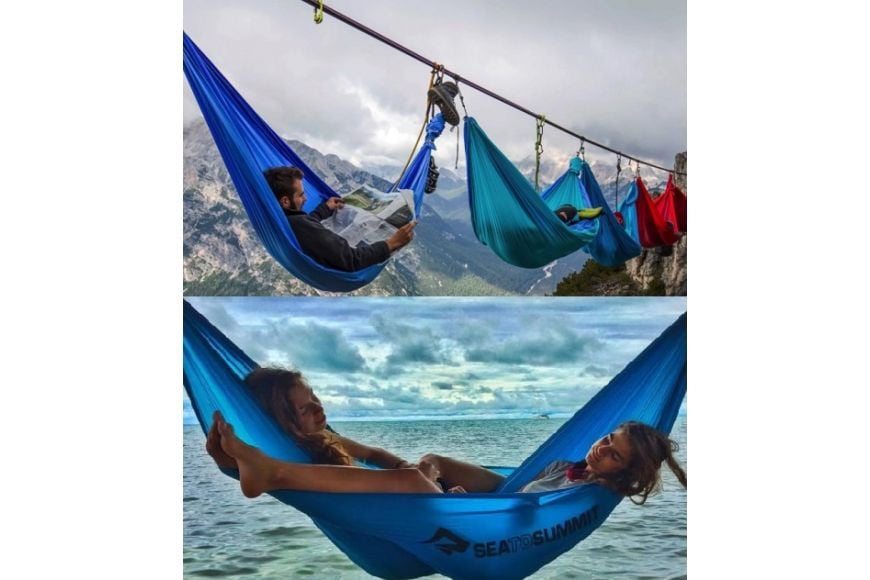
Comfort, lightweight, compact, easy to store. The hammock is the essential accessory for your vacation when you want to relax in a dream landscape. At the top of Semnoz, by Lake Annecy, in the Kornati Islands in Croatia, or along the trails of Cinque Terre in Italy: setting up your hammock is stopping time. If you want to know how to choose a vacation hammock, we'll explain it simply, no bullshit, like friends on a climbing trip.
The hammock is not just a piece of fabric. It's a technical choice based on your use: lightweight hiking, bivouacking, napping by the lake, or a base camp for several days. We're talking about the models we know well: Sea to Summit, Ticket To the Moon, and Tentsile, tested in the field by the AlpinStore team.
Why a hammock for vacation?
You want to travel light without sacrificing comfort. The hammock allows you to avoid a damp or uneven ground. Quick setup, minimal bulk in your bag, and the promise of a cozy spot in just a few minutes. It's the ideal solution if you've already carefully chosen your camping gear and want to save space for other things.
For contemplative adventurers as well as the intrepid: a well-chosen hammock increases your options. You can pair it with other smart choices, like choosing a camping and trekking mattress if you plan to sleep on the ground sometimes, or installing a mosquito net if mosquitoes are a concern. By the way, if you're traveling in exposed areas, we recommend thinking carefully before choosing a camping mosquito net.
The main types of hammocks
There are three main approaches: ultralight for hiking, robust for travel, and suspended concepts for comfort. The ultralight hammock is designed for minimalists: 20D fabric, featherweight, and surprisingly high capacity. The pro hammock focuses on technicality and durability for repetitive bivouacs. The suspended tent, like Tentsile, transforms your hammock into a living space, practical by a lake or in the forest when you want space and a suspended floor.
How to choose based on your destination and style
If you're going on a trek, prioritize lightweight and compact. For bike or van vacations, comfort is key. By the sea, choose a fabric resistant to salt and sand. In tropical forests, plan for a mosquito net and materials that dry quickly. And if you want to cook without hassle: also think about your cooking gear for outdoor cooking and smart storage for all your stuff.
Quick checklist before buying
- weight and volume: total weight and bulk in your bag
- capacity and comfort: single or double depending on your size and use
- durability: maximum load and seam strength
- installation: straps compatible with trees and simple attachments
- material: breathable, quick-drying, anti-mold treatment
We also talk about ecology: many modern models incorporate recycled materials. If you want to stay responsible, it matters in your decision "think about future generations".
Brief comparison of approaches (field summary)
| type | usage | advantage |
| ultralight | hiking, trekking | featherweight, minimal bulk |
| pro | regular camping, comfort | durability, comfort |
| suspended / tent | base camp, relaxation | space, stability |
What bag to put your hammock in?
The hammock often slips into the outer pocket of your daypack or the bottom of your trekking bag if you want to use it flexibly. If you're hiking light, optimize storage: place the hammock between compressed clothes and your cooking gear. And don't forget: choosing a complementary camping and trekking mattress can improve your comfort on nights when you can't hang your hammock.
Useful accessories and combinations
The hammock alone is good. With the right accessories, it's better. An integrated or separate mosquito net turns a nap into a comfortable night without bites. A tarp protects you from the rain. A wide strap kit protects the bark of trees. For resupplying during your long outings, think about mountain nutritional supplements suitable, especially if you're increasing your efforts.
Practical usage tips
Choose two well-spaced trees, check the solidity, adjust the height to have your feet slightly elevated. For a nap, a low setup is sufficient. To sleep, stretch it slightly and check the curve: not too arched, not too flat. If you want more stability, use additional anchor points. We can already see you lying down, head in the clouds.
What we sell and what we avoid
At AlpinStore, we highlight products tested by our team. We offer a selection that complements your bag: cooking gear for outdoor cooking, a selection of camping chairs for the camp, and even minimalist options if your budget is tight. If you're looking for a solo shelter, also consider a light and durable 1-person tent as an alternative to the hammock depending on the weather.
Budget and alternatives
The hammock ranges from very affordable to high-end technical. If you want to reduce spending without sacrificing functionality, check our cheap hiking gear and compare features rather than brands. A good entry-level hammock well chosen can last for vacations if you respect the load and usage limits.
In conclusion: how to choose a vacation hammock
You now know the parameters: weight, comfort, durability, accessories, and usage. Ask yourself these questions: do you travel light or want comfort? Do you sleep in it often or is it just for napping? Are you going to a humid or arid area? By answering, you'll know how to choose a vacation hammock suited to your style. We always advise testing the setup before you go and prioritizing solutions proven by enthusiasts.
If you want a helping hand: contact the team, we'll tell you which model suits your project best. At AlpinStore, we've been equipping enthusiasts since 2016: we speak the truth, we guide you like a climbing buddy.

Leave a Reply
All fields are required