
 €
€ Hiking
  Camping
  Trail
Trail  Running
  Mountaineering
  Climbing
  Mountain biking
  Road biking
  Survival
  Canyoning
  Alpine Skiing
  Ski touring
  Snow activities
  Snowboarding
  Cross-country skiing
  Lifestyle






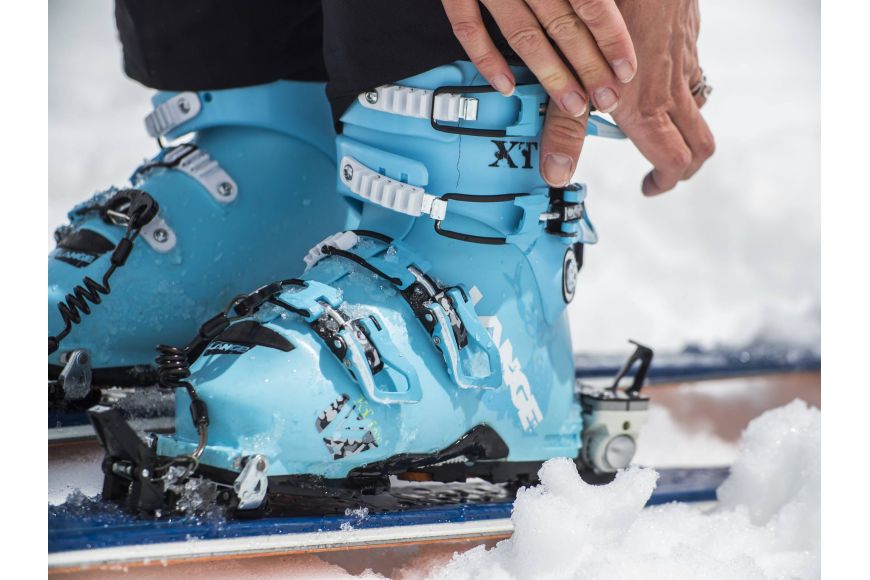
How to put on Lange ski boots and check the fit?<\/h2>
You want to know how to properly put on Lange ski boots and ensure the fit is perfect? You're in the right place. At AlpinStore, we've been equipping enthusiasts since 2016, and we speak the truth: simple steps, technical gestures tested on the field, and precise advice to make your boots comfortable, high-performing, and secure.<\/p>
Here we revisit the step-by-step method that many use to put on a Lange, with technical supplements, tips to avoid pitfalls, and recommendations on the equipment not to overlook. The goal: to hit the slopes confidently, pain-free, with a fit that holds up.<\/p>
First of all: check the condition of your gear and compatibility with your bindings. A poorly fitted boot remains the number one cause of discomfort. Also think about your whole setup: your bag, your jacket, and the alpine ski equipment<\/span> that goes with it. Everything counts when optimizing fit and performance.<\/p> step 1. Sit down and put on a pair of suitable ski socks: not too thick, not too thin. The sock influences the heel-cuff contact and thus your positioning.<\/p> step 2. Open all the buckles and loosen the strap. This frees the liner and makes it easier to get your foot in without forcing.<\/p> step 3. Place your foot while holding the tongue by its strap, push the foot forward while guiding the heel to the back of the shell. The idea: heel locked, toes just touching the front while flexing.<\/p> step 4. Once your foot is positioned, tap the heel of the boot on the ground to check that the foot slides back into the boot and settles at the bottom. This small gesture avoids friction areas.<\/p> step 5. Close the buckles from the bottom up: start with the toe, then move up to the last buckle, and finish with the strap. Adjust progressively: tighten in increments, testing the flex at each adjustment.<\/p> step 6. Stand up and bend your knees several times. If the heel lifts, slightly increase the tightness. If the toes still touch the front, consider going up half a size or changing models.<\/p> step 7. If you need more support, tighten the middle buckles and the strap. But be careful: do not compress the foot to the point of hindering circulation. The right fit is a balance between lateral support and front-back comfort.<\/p> do not tighten your boot all the way during the fitting: the foot is warm and expanded. We recommend trying both standing and sitting, and repeating the flex. Remember that the liner compresses after a few outings, so anticipate slight compression.<\/p> your socks are essential: they influence feel and thermal comfort. High-performing outdoor boots<\/span> are worthless if the sock creates folds or pressure points. Choose specific technical models for skiing.<\/p> for final adjustments: if you use insoles, opt for custom insoles. A pair of ski boot insoles<\/span> often corrects heel problems and optimizes energy transfer.<\/p> if you are into challenging outings, think about protection: knowing how to choose effective back protection<\/span> and knowing how to choose a secure ski helmet<\/span> are essential reflexes for your safety. Protections are not just for beginners: they extend your practice.<\/p> to keep your Lange in shape, don't forget the products to maintain your skis<\/span> and specific treatments for the shell and buckles. Regular maintenance means more comfort and increased lifespan.<\/p> on the electronic safety side, equip yourself with quality avalanche safety accessories<\/span> if you go off-piste. They will never replace experience or judgment but greatly increase your chances in case of an accident.<\/p> if you have pain on the outer wrist after a fall, consider wrist protections and reinforcements<\/span>: they limit aftereffects and protect during learning controlled falls.<\/p> in case of doubt, take two minutes to ask a professional boot fitter: an adjustment of the liner, a modification of the shell, or the addition of an insole can make all the difference. We also recommend trying several pairs and models, as foot morphology varies greatly among skiers.<\/p> in summary: putting on Lange ski boots is a repeated gesture, but not to be taken lightly. Start with a clean base (socks, insoles), follow the steps for putting on and tightening, check the heel and flex, and don't hesitate to adjust after a few runs. And remember: safety also comes from choosing quality avalanche safety accessories and a good set of equipment.<\/p> if you want personalized advice, our testers and athletes at AlpinStore are here to help: we speak the truth, no bullshit, like friends in a climbing party. We love the mountains, and we want you to enjoy them fully, comfortably, and for a long time.<\/p> Practical steps to put on your Lange
Technical tips and common mistakes
Quick checklist before heading out
Maintenance and useful accessories
Recurring problems and solutions
Quick table: fit indicators
indicator expected <\/tr>toe contact just touching while flexing <\/tr>heel locked, no lifting <\/tr>malar comfortable, no pressure points <\/tr>flex free and progressive <\/tr><\/table>

Leave a Reply
All fields are required