
 €
€ Hiking
  Camping
  Trail
Trail  Running
  Mountaineering
  Climbing
  Mountain biking
  Road biking
  Survival
  Canyoning
  Alpine Skiing
  Ski touring
  Snow activities
  Snowboarding
  Cross-country skiing
  Lifestyle



Choosing the right freestyle ski size
You want to send it in the park, slash the edge of the slope, or improvise an urban run: the choice of freestyle ski size is crucial. We speak the truth, without marketing fluff. At AlpinStore, we test on the field. This guide covers the essentials: ski anatomy, relationships between your height, your style, and the compromises to know to stay performant and calm.
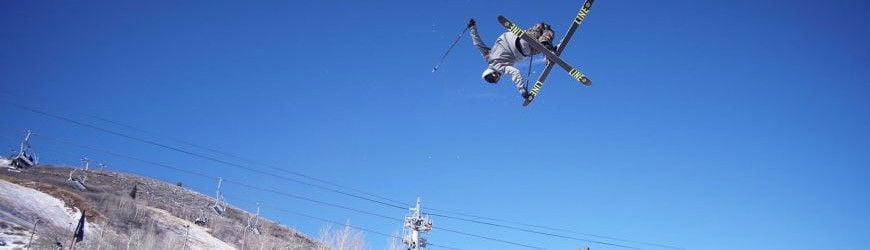
Freestyle skis are designed for playful versatility: they often have widths between 80 and 95 mm, a twin-tip construction for skiing in both directions, and maneuverability that favors rotations and presses. This configuration facilitates tricks, switch-ups, and short landings. If you want a playful and lively ski, the twin-tip and forgiving flex are your allies.
If your goal is versatility (park, slope, small edges), we recommend a length between your height and 10 cm shorter. You gain liveliness without completely sacrificing stability. On the other hand, for a pure park-focused practice, choose a shorter ski, about 5 to 10 cm shorter than your height: stability in big airs is less, but rotation is immediate.
For powder lovers who want to maintain a freestyle behavior in backcountry, the logic reverses: a ski 5 to 15 cm longer than your height maximizes floatation. This is ideal for drops on the slope, boosters from a bump, and landings in powder.
Want to limit your budget without sacrificing practice? On the market, you can find affordable alpine skis that hold up if you look at the construction and flex rather than just the sticker. Similarly, if you want to gear up quickly, check out alpine ski packs with bindings; it's often simpler to start or renew your gear.
Different practices and size variations
- pure park: aim for a short ski, -5 to -10 cm, rotation and jib prioritized.
- backcountry freestyle: +5 to +15 cm to float in powder without losing the freestyle spirit.
- urban/street: a few centimeters below your height for liveliness and maneuverability.
Each practice calls for a compromise: stability versus liveliness, floatation versus control. Your weight, riding position, and technical level also influence the ideal length. A heavier rider will generally prefer a slightly longer ski to achieve better floatation and stability at high speeds.
Before choosing, ask yourself these questions: where will you ride the most? Are you looking to progress in rotation or to cruise in powder? Do you want a ski that goes everywhere or a specialized tool? By answering honestly, you reduce the risk of buying an ill-suited ski.
For those who want to buy a complete setup right away, there are complete freestyle ski packs, often delivered with bindings adapted to the flex and practice. These packs facilitate the setup and ensure compatibility and safety.
Safety is not an accessory: if you go off-piste, remember to buy avalanche safety gear suited to your level and terrain. A beacon, a shovel, a probe, and a Black Diamond airbag pack (if you want that type of protection) are not gadgets; they are survival tools. For those who want to order quickly, we sometimes offer express delivery DVA Pieps to gear up without waiting.
Practical tips for choosing your size
- Beginner or park-focused: favor a short, maneuverable, and forgiving ski.
- Versatile: opt for your height or up to 10 cm shorter depending on your style.
- Backcountry freestyle: lengthen the size for floatation.
Other technical points: camber and rocker influence turning grip and ease of initiating rotation. A tip rocker helps in powder, while a classic camber provides responsiveness and grip on piste. Longitudinal flex impacts presses; a softer flex favors jibbing and buttering, while a stiffer flex will be more stable in big landings.
The width of the waist plays a major role: if you work in the park and on rails, a waist in the 80-95 mm range is an excellent compromise. If you want more floatation for powder, aim for wider waists and a reinforced construction on the tip.
We also recommend trying when possible: renting two lengths close to your choices gives a concrete idea. Nothing replaces a test session. Exchange with friends, join a local brand session, or ask our team for advice who has tested each model on the field.
Finally, keep a pragmatic approach to the budget: complete ski equipment is not limited to skis and bindings. Boots, protections, helmets, and safety tools count. If you want to save, check the cheap ski equipment offer, without forgetting that savings should not compromise safety. A good plan: compare packs and read feedback from other enthusiasts.
In summary: the right size is chosen based on your primary practice, your build, and the stability/maneuverability compromise you accept. The tables and technical recommendations help, but the best verdict remains your feeling on the snow. We advise you: test, ask questions, and choose with the desire to progress.
| type of practice | ski size relative to you |
| versatile freestyle skis (approx. 80 to 95 mm) | your height down to 10 cm shorter |
| pure park skis | -5 to -10 cm |
| backcountry freestyle | +5 to +15 cm |
| urban skis | -5 cm |
Need help setting up your set? We also offer advice on choosing between different constructions and for adjusting bindings. If you're looking for an economical solution without going for low-end gear, compare offers for alpine ski packs with bindings and consider a pro adjustment of the inserts. You can also find quality alternatives in the freeride ski range if your terrain is mixed.
Remember: the mountain is lived and respected. Environmental commitment also matters: choose sustainably when possible. At AlpinStore, we remain available to help you choose the right freestyle ski size for your project. We speak the truth, like friends in a rope team.
If you want us to help you directly, contact us and we will guide you to the right model, the right pack, and the right accessories. And if you want to complete your set with specific accessories, we offer solutions to buy avalanche safety gear and adapted delivery options.

Leave a Reply
All fields are required