
 €
€ Hiking
  Camping
  Trail
Trail  Running
  Mountaineering
  Climbing
  Mountain biking
  Road biking
  Survival
  Canyoning
  Alpine Skiing
  Ski touring
  Snow activities
  Snowboarding
  Cross-country skiing
  Lifestyle






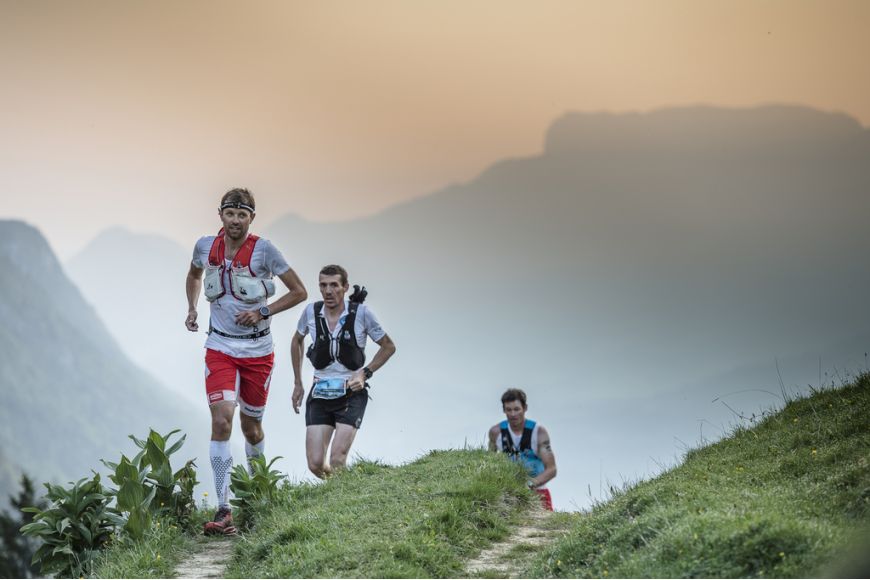
Preparing ultra trail bag: why it changes everything
You are about to run an ultra trail. The excitement. The fear. The desire to surpass yourself. One thing is certain: your bag will determine your comfort and sometimes your race. At AlpinStore, we speak the truth: we equip enthusiasts, we test in the field, and we simply explain how to prepare your bag for an ultra-trail without bullshit.
Preparing an ultra trail bag is not just piling up gear. It’s listening to the course, the weather, your level, and composing a light but secure bag. We seek the compromise between minimal load and maximum safety. Here you will find a clear method to choose your bag, organize the contents, and set off with peace of mind.
Bag selection: anatomy and practical tips
First of all, you need to know how to choose a trail bag suitable for your body type and the duration of the event. A good bag should: distribute the load, remain stable while running, offer accessible pockets, and accommodate a water pouch for hydration if you want one. Test it loaded and empty: adjustments to the back, chest strap, and hip belt transform the fit.
Capacity: for an ultra, you generally aim for 10 to 20 liters depending on the distance, the weather, and the organization’s requirements. Prefer compressible volumes and an easy opening. The empty weight matters: a light bag makes the run smoother.
Organization and storage: gaining efficiency
Properly storing is gaining minutes and saving mental energy. Place what you need often (bars, gels, cup, headlamp) in the chest pockets. Layers and food go in the main pocket. Items required by the organization (emergency blanket, whistle, lamp) should be at the bottom but accessible.
Tip: store compressed clothing in a waterproof bag. If you need to change quickly, you won’t lose heat rummaging around. Also, bring a small minimal repair kit: thread, pin, adhesive bandage. And for hydration, think of hydration accessories for athletes that make your life easier during the race.
Hydration: strategy and equipment
Hydration needs preparation. Some trail runners prefer soft flasks, others the internal pouch. If you choose the pouch, check compatibility with your bag and ease of filling at aid stations. A water pouch for hydration allows you to drink without slowing down, but requires maintenance and insulation in extreme cold.
Count your liters based on the heat and aid stations. Alternate water and energy drink. Test during training to avoid digestive issues. And always keep a small spare bottle; it often saves the day.
Mandatory equipment: the safety checklist
Your organization must include the list required by the regulations. Here’s the essential to have in your bag and ready to use:
- Headlamp + spare batteries (two lamps if required)
- Emergency blanket and whistle
- Waterproof and breathable jacket with hood
- Second warm layer with long sleeves
- Waterproof gloves and warm gloves
Don’t neglect visibility and warmth: a fall in cold weather can turn quickly. All this equipment must be accessible and not compressed under ten layers of food.
Recommended equipment: comfort gains
Beyond the mandatory, these options make the run simpler and faster:
- Reusable cup for aid stations
- Small pre-dosed sports nutrition packets
- Foot kit: bandages, lubricant
- Telescopic poles if the terrain is rugged
If you want to optimize further, our store offers everything for trail: tested and validated accessories by the team.
Shoes and clothing: what to test before the race
You don’t go on an ultra with new shoes. You should have already purchased trail shoes and broken them in on long runs. Grip, rock protection, and comfort over 50 km differ between models: choose according to the terrain.
For clothing, think of technical layers. An adapted trail clothing collection allows you to adapt to the weather: breathable close to the body, insulating, and a compressible waterproof shell in case of storms.
How to test and prepare before the race
The golden rule: everything is tested in real conditions. The shoes, the size of the bag, the distribution, the food, the lamp, the water pouch. Sometimes a simple change of a centimeter on the straps avoids an injury.
Prepare a long run two weeks before to simulate gauge and meals. Adjust quantities and feeding frequency. Note what works and what doesn’t. And above all: don’t invent anything the night before.
Finally: philosophy and choices
Choosing your trail equipment is more than an inventory. It’s a process: identify your running style, your comfort, and the constraints of the event. If you want personalized advice, the AlpinStore team—experienced athletes—can help you choose your trail equipment without bullshit, like among climbing buddies.
Summary: prioritize safety, trust your training, and lighten as much as reasonable. Preparing an ultra trail bag is ultimately preparing for the adventure and the joy of pushing your limits. So, ready for the next ascent?

Leave a Reply
All fields are required