
 €
€ Hiking
  Camping
  Trail
Trail  Running
  Mountaineering
  Climbing
  Mountain biking
  Road biking
  Survival
  Canyoning
  Alpine Skiing
  Ski touring
  Snow activities
  Snowboarding
  Cross-country skiing
  Lifestyle



Tutorial: how to properly prepare for your freeride outing
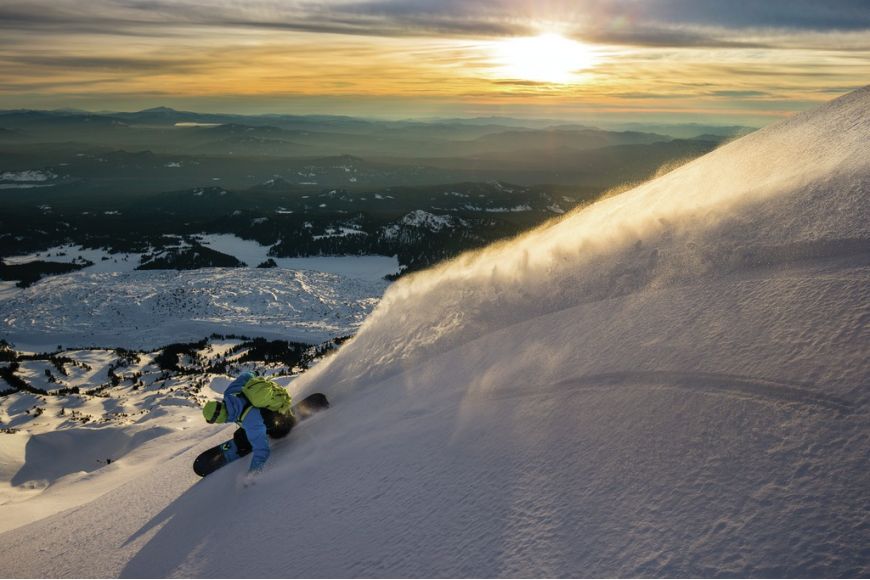
Freeride skiing has exploded in the last ten years: more reliable equipment, enticing images, and spots accessible to more people. But going off-piste means accepting real risks. Here we give you the method, point by point, to prepare for a freeride outing while minimizing dangers and maximizing enjoyment. We speak honestly, like friends in a climbing team.
1) understand the terrain and the weather
Before each outing, spend time on the map and weather reports. Where does the slope start, where do the couloirs end, which faces get sun early in the morning? Knowing the exposure, altitude, and topography is anticipating the pitfalls. Interpret the avalanche reports: risk level, expected evolution, winds, and isotherms. A poor reading can turn a beautiful descent into a critical situation.
Ask yourself simple but vital questions: what is the state of the snowpack? Is the snow fresh, heavy, transformed? Does the forecast predict rain or warming? And above all: what margin of safety do I have if the situation deteriorates?
2) choose your partners and assess your level
We rarely go alone. Knowing who you are going with is deciding if the outing is suitable. Do your levels match? Who navigates at the front? Who makes the decisions? If you are unsure of your ability to descend a challenging slope, politely refuse or choose another line. Too often, we let ourselves be carried away by desire: a bad idea.
Physical condition matters: fatigue = mistakes. Respect your own pace. If a companion seems uncertain, slow down, replan, or descend. Your responsibility is collective: do not put anyone in danger.
3) equipment is not optional
Basic equipment: backpack, shovel, probe, and beacon. But also align your gear with your practice: well-maintained skins, suitable bindings, and, above all, skis that match your program. If you want to invest in new gear, know where to set the balance between weight, floatation, and precision. Sometimes it’s better to buy alpine skis designed for versatility rather than an extreme model for powder only.
For challenging descents, learning to choose your freeride skis is crucial: width, radius, construction, and flex will define your ability to manage snow transitions. Don’t rush for the pretty design: test, ask questions, seek advice from experienced practitioners.
- essential kit: shovel, probe, beacon, airbag backpack, first aid kit, helmet.
- technical clothing: breathable layers, windproof, suitable gloves.
The helmet protects your head: knowing how to choose a safe ski helmet avoids tragedies. For those who want visor integration, a Cébé ski helmet with visor can be a good compromise for protection and visibility without fogging up your goggles. Be careful: helmet and bindings must be adjusted by a professional if necessary.
4) airbag backpack, beacon, and maintenance
The airbag backpack changes the game off-piste. Recent models, sometimes equipped with electronic deployment airbags, offer simpler deployment and quick inflation: a real plus when every second counts. But nothing replaces training in usage and caution.
The beacon is your main tool in case of burial: prioritize quality beacon accessories, check frequencies and compatibility if you borrow or lend equipment. Always test your beacon before leaving and conduct regular simulations with your group.
Maintenance matters: remember to maintain your avalanche victim detector and replace batteries, as well as check straps, airbag charges, and the condition of the balloon membranes. Poorly maintained equipment is a safety liability.
5) training, repetition, and good reflexes
Theory is good, practice is better: participate in mock search sessions, organize timed exercises. Knowing how to dig quickly, probe effectively, and coordinate a search saves lives. Clubs and guides often offer practical modules: take advantage of them.
Before each outing, define a plan: route, meeting points, behavior in case of an accident. We advise adopting simple rules: one at a time on exposed slopes, intervals between skiers, constant observation of the snowpack. These routines reduce unexpected risk-taking.
6) budget, purchases, and good deals
Equipment costs money, but there are smart choices. If you are starting out or want to limit your budget, look for reliable equipment without breaking the bank: refurbished or seasonal gear can work very well. For those looking to negotiate, compare and avoid traps: cheap ski equipment is not necessarily a good deal if it compromises safety.
For thoughtful purchases, test before buying, rent for a season, ask for the opinion of an experienced practitioner. And when you buy, check warranties and return policies: a good seller should guide you and explain the product's technicalities.
7) behavior in the mountains and respect
The mountain is a living environment. Respect sensitive areas, do not take unnecessary risks above other hikers. If you have the slightest doubt about the stability of the snowpack, reschedule the outing. Sometimes the best decision is to stay at the bottom and come back tomorrow, better prepared.
When leaving and returning, share your plan, indicate the expected return time, and tell someone you trust the route. The freeride community protects itself: share, report observations, help others.
final checklist before departure
Before closing the backpack: beacon on and tested, shovel and probe accessible, airbag charges okay, helmet secured, skis and bindings checked. Also verify that you know how to use each tool. A successful outing is the sum of decisions prepared in advance.
AlpinStore is here to help you sort things out: we select what we put on the field. If you want, we guide you to define your list, test products, and gain peace of mind. Leave prepared, leave humble, enjoy to the fullest.

Leave a Reply
All fields are required