
 €
€Sign in
Contact
 Hiking
  Camping
  Trail
Trail  Running
  Mountaineering
  Climbing
  Mountain biking
  Road biking
  Survival
  Canyoning
  Alpine Skiing
  Ski touring
  Snow activities
  Snowboarding
  Cross-country skiing
  Lifestyle


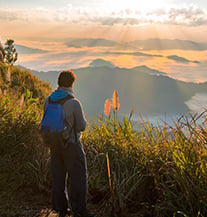



Hydration Bladder - Hydration
Hydration Bladder: Complete Guide
The hydration bladder (or hydration reservoir) makes accessing water easier while hiking. This guide explains the differences with water bottles, selection criteria, maintenance, and the best options based on activity.
Why choose a hydration bladder over a water bottle?
- Hands-free hydration: drink without stopping.
- More stable weight distribution in the bag.
- Regular consumption encouraged due to easy access.
- Less bulky for carrying and compatible with many bags.
Types of hydration bladders
Most are soft reservoirs made of TPU or polyurethane. Some models have a wide opening for easy filling and cleaning. Others offer leak-proof systems and insulated nozzles.
Selection criteria
- Capacity: 1 to 3 liters depending on duration and effort.
- Materials: prefer BPA-free TPU or polyurethane for durability.
- Opening and cleaning: a wide opening simplifies maintenance.
- Length and quality of the hose, leak-proof valve, and quick connector.
- Compatibility with the bag: check for a dedicated pocket and a passage for the hose.
Combining the hydration bladder with your gear
For a complete and economical trail kit, consider trail gear at the best price. If you are looking for advice on walking and propulsion, choosing your trail poles is useful in addition to hydration. For quick and technical outings, prefer a high-performance trail bag designed to accommodate a hydration bladder. If you are comparing poles, you may also find offers like cheap Guidetti trail poles on promotion.
Recommended brands and models
Among reliable brands, there are models suitable for hiking, trail running, and mountain sports. Consider Dynafit gear for ski touring if you are looking for solutions adapted to skiing. For climbing and vertical disciplines, Black Diamond gear for climbing and mountaineering sometimes includes robust reservoirs and accessories. If you need a bag/snowshoe set, check out TSL backpacks and snowshoes with express delivery. Finally, for a lightweight backpack dedicated to hiking, consider a Frendo hiking backpack compatible with a hydration bladder.
Maintenance and lifespan
- Rinse after each outing with warm water and a little mild soap.
- Clean the hose and valve with a fine brush or cleaning kits.
- Complete drying before storage to avoid mold.
- Replace the valve or hose if leaking or damaged.
FAQ
What capacity should I choose for my hike?
For a half-day outing, 1 liter is often sufficient. For a full day or in hot terrain, 1.5 to 3 liters is preferable. Adjust according to your thirst and access to water along the route.
What materials are the most durable?
TPU or polyurethane reservoirs offer a good compromise between lightness and resistance. Avoid fragile plastics and check for BPA-free materials.
How do I clean and maintain my hydration bladder?
Clean regularly, dry the reservoir and hose well. Use brushes and, if necessary, cleaning tablets to eliminate odors.
Are hydration bladders compatible with all backpacks?
Most modern hiking backpacks have a pocket for a hydration bladder and a passage for the hose. Check the compatibility of dimensions and the presence of an internal support.
Conclusion
The hydration bladder is an excellent choice for staying hydrated easily while hiking. Evaluate the capacity, materials, and compatibility with your bag. Maintain it regularly to prolong its lifespan. To deepen your choice, consult comparisons and dedicated guides before purchasing.
