€
€ Hiking
  Camping
  Trail
Trail  Running
  Mountaineering
  Climbing
  Mountain biking
  Road biking
  Survival
  Canyoning
  Alpine Skiing
  Ski touring
  Snow activities
  Snowboarding
  Cross-country skiing
  Lifestyle






.jpg)
Climate protection through recycled tires
Many plastics are extremely difficult to recycle and end up either incinerated or in landfills. This is particularly true for used tires. However, even tires can be recycled and serve as an ecological alternative to crude oil.
A remarkable achievement for people and the planet
VAUDE is the first company in the outdoor textile sector to use a chemical process technology that produces polyamide from hard-to-recycle plastics. Through a certified mass balance process, recycled oil from used tires (pyrolysis oil) is integrated into the polyamide production system. For this, the carbon chains contained in used tires are molecularly decomposed and, through chemical transformation, serve as an alternative to crude oil for plastic production.
Materials of equivalent quality
Since this alternative raw material is introduced into the production facility at the very beginning of the chemical value chain, the resulting product (such as polyamide) has exactly the same qualities as conventionally manufactured products. The major advantage of this method is that these materials can be processed in the same way as before. For example, dyeing processes and other textile treatments do not need to be modified, which helps reduce waste volumes and conserve precious resources.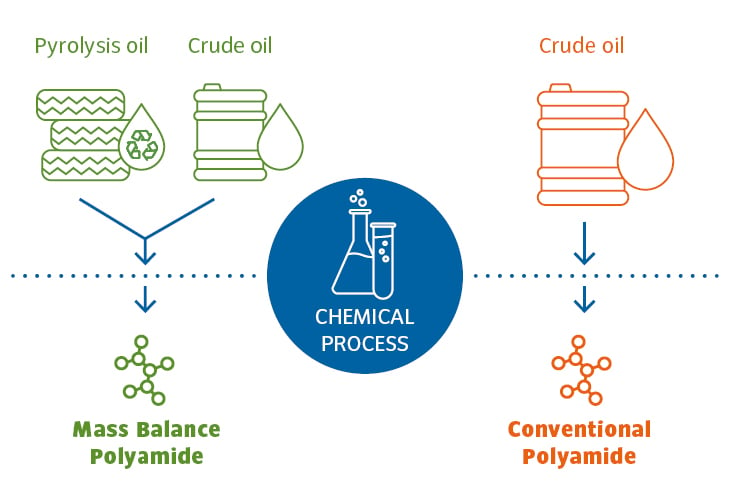
Recycling process of used tires
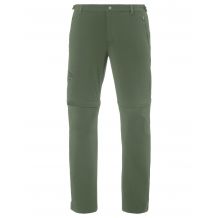
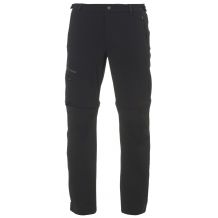
- Farley Stretch T-Zip III Pants for Men
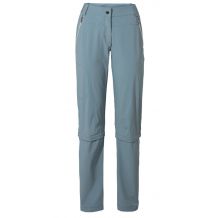
- Farley Stretch T-Zip III Pants for Women
- Yaras ZO Pants for Men
- Yaras ZO Pants for Women
Find the Men's Hiking Pants and the Women's Hiking Pants.
The mass balance, a proven approach
VAUDE: A Committed and Responsible Brand
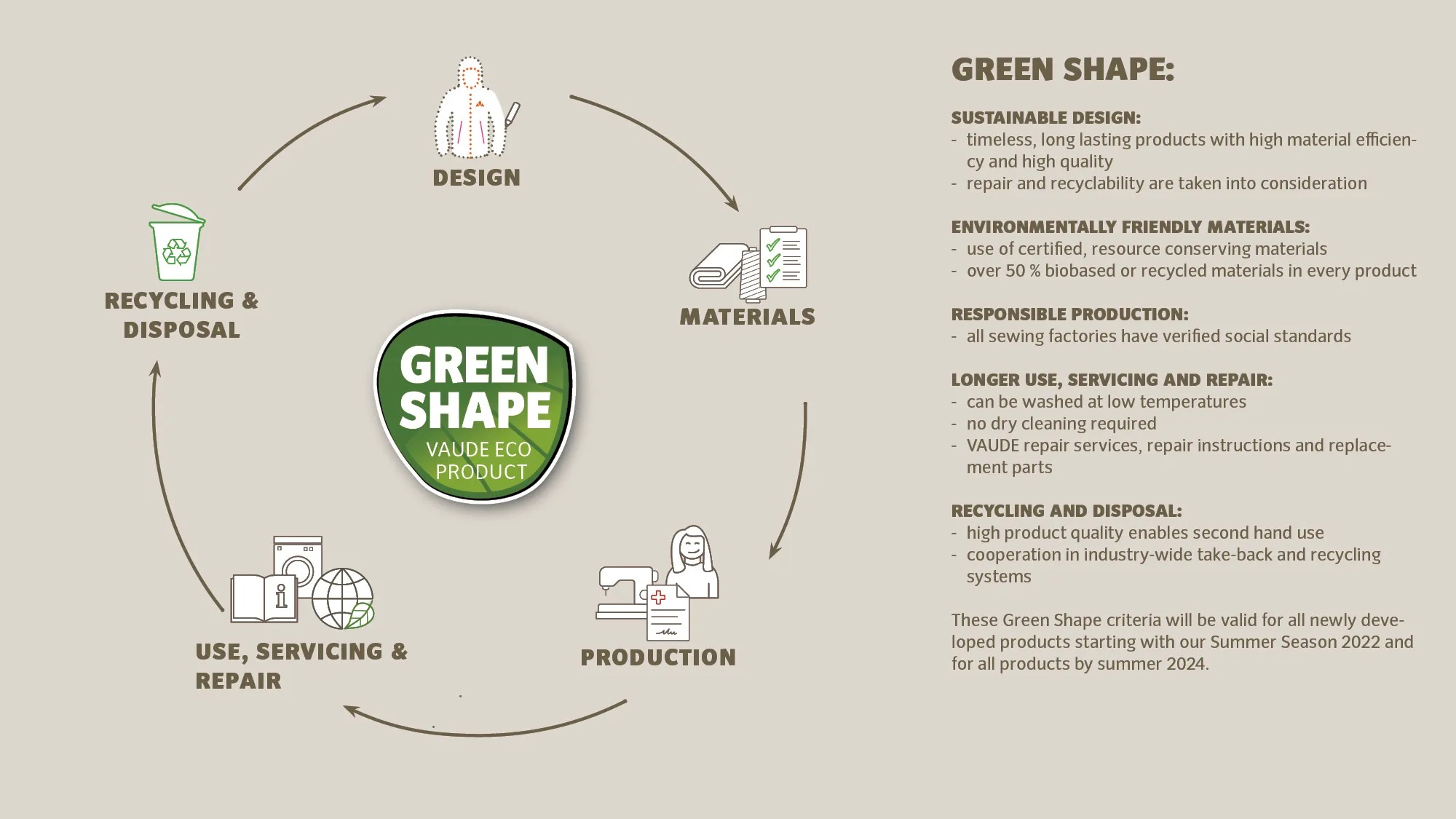
If you want to learn more about Vaude and its ecological commitment, check out our blog article, Vaude, the pioneering brand for the environment.