€
€ Hiking
  Camping
  Trail
Trail  Running
  Mountaineering
  Climbing
  Mountain biking
  Road biking
  Survival
  Canyoning
  Alpine Skiing
  Ski touring
  Snow activities
  Snowboarding
  Cross-country skiing
  Lifestyle





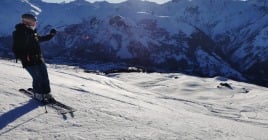
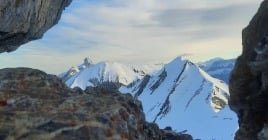
To escape the hustle and bustle of the slopes, many winter sports enthusiasts turn to ski touring, an activity that is gaining popularity. However, venturing outside marked areas carries risks, including avalanches. Careful preparation with the right Mammut equipment and a good understanding of safety measures are essential to fully enjoy this experience.
Ideal conditions for ski touring
A winter day with a blue sky and fresh powder snow represents the ideal scenario. However, even in less favorable weather, it is possible to enjoy touring, provided that the avalanche risk is properly assessed and dangerous areas are avoided.
Main risks and precautions
Avalanches are the main danger during ski tours. Rigorous planning helps minimize this risk. It is crucial to have the appropriate equipment and to be in good physical condition with the technical skills required for the chosen route.
Often underestimated risks
The factor of time is often overlooked. For example, in spring, rising temperatures in the afternoon can increase the risk of avalanches. Therefore, it is essential to stick to a precise schedule and be ready to abandon the summit if necessary. Weather conditions can also change rapidly; poor visibility or fog can complicate navigation. It is important to have navigation tools and know how to use them.
Recommended preparation
For beginners, it is advisable to take a course with a mountain school, such as the Mammut Alpine School, which offers training on avalanches, ascent and descent techniques, as well as appropriate equipment. Good physical condition is necessary for climbs of about four hours, as well as a safe skiing technique on slopes. Equipment can often be rented during these courses.
Essential equipment
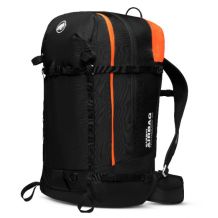
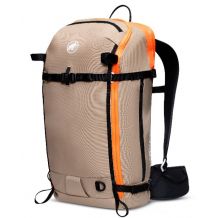
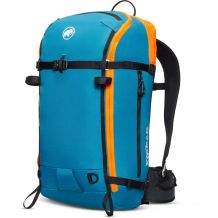
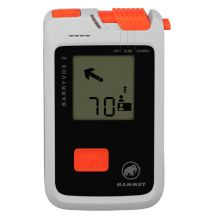
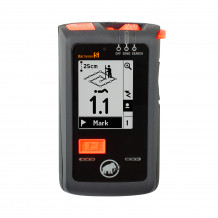
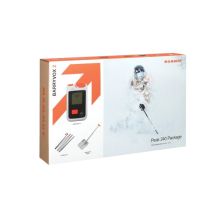
An emergency kit including an avalanche victim detector (DVA), a probe, a shovel, and a backpack airbag is essential. It is also recommended to bring windproof and waterproof clothing, as well as a hot drink. Before each outing, check the proper functioning of your equipment. Find Mammut safety packs..png)
Behavior in case of an accident
In the event of an avalanche, effective organization and execution of rescue operations are crucial, from alerting emergency services to searching for and freeing victims. This requires training. It is therefore recommended to regularly participate in avalanche courses.
Additional tips
.png)
.png)