€
€ Hiking
  Camping
  Trail
Trail  Running
  Mountaineering
  Climbing
  Mountain biking
  Road biking
  Survival
  Canyoning
  Alpine Skiing
  Ski touring
  Snow activities
  Snowboarding
  Cross-country skiing
  Lifestyle




How to prevent blisters when hiking
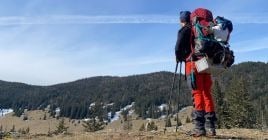
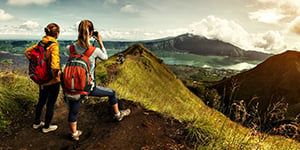
, alpine ridges, and summits offering panoramic views of the mountains. This is the ideal time to revitalize your energy and reconnect with nature. However, the magic of these moments can
quickly fade if blisters appear, turning this enchanting moment into a nightmare for your feet, and things will only get worse from there..png)
What causes a blister?
- The wearing of shoes that do not fit your feet properly.
- The presence of pebbles or pine needles inside your shoes.
- The infiltration of dirt or sand into your socks or shoes.
- Seams or folds in your socks.
- Wet shoes due to rain, crossing streams, or snowy fields.
- Excessive sweating of the feet.
How to prevent blisters in your hiking shoes
However, there are positive perspectives... by following the appropriate advice and using proven methods. The most crucial element lies in wearing shoes that fit your feet perfectly from the start. If you feel the slightest friction when trying them on, even minimal, it is highly recommended to opt for another model. Also, remember to check the condition of your accessories, such as quality laces, essential to ensure optimal support and avoid friction that can lead to the formation of blisters.
Choosing the right shoe
Managing moisture to reduce blisters
For all your equipment and accessory needs, explore our selection of choosing your hiking accessories to complete your preparation.
.png)
How to avoid blisters by taking care of your feet
- Keep your nails short: This task should be done before every hike. If your nails are too long or ingrown, this can quickly lead to pain and result in blisters.
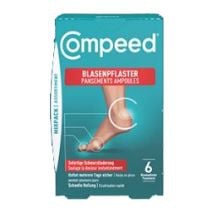
- Use blister bandages: If you know certain areas are likely to form blisters, it is recommended to place preventive bandages there before they manifest.
- Opt for adhesive tape: To protect sensitive areas, you can apply medical adhesive tape to cover the affected regions. It is important to ensure that no folds are created when applying the adhesive tape.
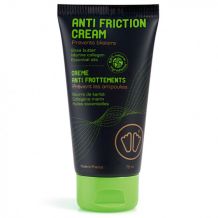
- Use anti-blister balms: These products can also reduce the risk of blister formation. They create a protective layer that prevents friction.
How a good pair of socks can help prevent blisters
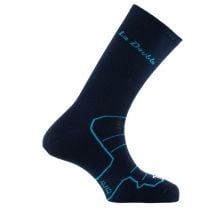
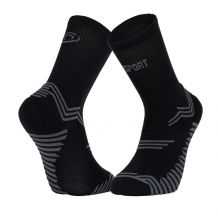
High-quality socks suited to your needs make a huge difference. Contemporary functional socks are designed for durability and promote excellent moisture evacuation through their fibers. Some are even made of merino wool to avoid unwanted odors and keep your feet warm, even when wet. It is important to avoid cotton socks, as they retain moisture close to your skin, which can be detrimental. Don't forget to choose technical hiking clothing to complete your outfit and minimize the risk of skin irritation.
First aid: how to treat a blister
- Carefully clean the area.
- Use a sterilized needle to puncture the blister (you can burn the tip with a lighter for 1 to 2 minutes).
- Once the liquid is evacuated, dry the area and apply a bandage.
.jpg) | Noé NIVAULT, Buyer at AlpinStore Practice: hiking, cycling, running, crossfit A blister is truly an obstacle that all sports practitioners have encountered! What to remember is that prevention is more important than treatment, as a well-targeted blister and well-applied preventive measures avoid this treatment and thus the pain. Always have in your backpack a way to counter this recurring problem! |
To continue reading: The essentials of hiking: all the necessary accessories for a mountain hike