€
€ Hiking
  Camping
  Trail
Trail  Running
  Mountaineering
  Climbing
  Mountain biking
  Road biking
  Survival
  Canyoning
  Alpine Skiing
  Ski touring
  Snow activities
  Snowboarding
  Cross-country skiing
  Lifestyle





.png)
Hiking with a bunion: mission impossible? Not at all!
A bunion, more commonly known as a "bunion", is a progressive deformity of the big toe joint. It shifts towards the other toes while a bony bump appears on the side of the foot. This condition, very common, particularly affects women but can concern anyone. While some people experience little discomfort in their daily lives, long hikes can quickly become painful. Repeated friction, uneven terrain, and many hours of walking increase the pressure on the forefoot, making the choice of shoes particularly important.
Why does a bunion cause pain while hiking?
The foot is an incredibly complex structure. With each step, it absorbs shocks, stabilizes the body, and supports a load that can represent up to three times the body weight while walking. When the natural alignment of the bones is disturbed, as is the case with a bunion, this balance is disrupted. The big toe gradually deviates towards the other toes, which alters the distribution of pressure points and increases stress on the front of the foot.
While hiking, these imbalances are even more pronounced. Long descents, slopes, or carrying a backpack increase the pressure on the already weakened joint. Pain, inflammation, blisters, or compression points can then appear, limiting the enjoyment of walking.
What are the causes of a bunion?
The development of a bunion is generally linked to several factors. A genetic predisposition can favor its appearance, but lifestyle habits also play an important role. Regularly wearing tight or high-heeled shoes, weakness in the supportive tissues of the foot, a collapse of the arch, or being overweight can accelerate this deformity. Over time, the big toe joint becomes more prominent, other toes may also deform, and walking gradually becomes less comfortable.
A wide shoe is not always enough
When suffering from a bunion, many think that simply choosing a wider shoe is sufficient. However, this solution is not always ideal. A shoe widened throughout its width may lack precision and allow the foot to move inside, which promotes friction and decreases support, especially on technical trails.
The goal is actually to have additional volume only at the big toe joint while maintaining a precise fit on the rest of the foot. A sufficiently high toe box is also essential so that the other toes can position themselves naturally without pressure. Finally, soft materials and the absence of seams directly on the sensitive area help limit irritation during long days of walking.
.png)
The Bunion technology from Hanwag: a design made for sensitive feet
A specialist in hiking shoes for over a hundred years, Hanwag has developed a specific shoe shape called the Bunion Last. Unlike a classic wide shape, this design provides more space only where the bunion needs it: at the big toe joint. The rest of the foot benefits from precise support, essential for maintaining stability and security on all types of terrain.
Bunion models also feature a more generous toe box to offer more freedom to the other toes, which are often also affected by the deformity. Hanwag has also removed seams located on the inner front of the foot to reduce pressure points and friction risks. The result is a shoe that combines comfort, support, and precision, even after several hours of hiking.
The best Hanwag shoes for a bunion
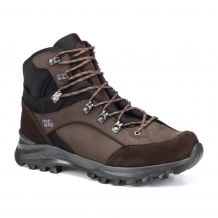
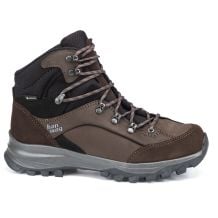
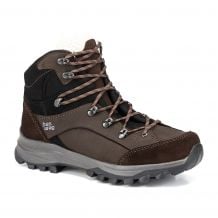
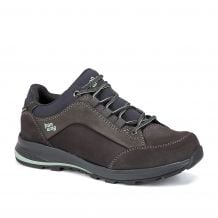
The Hanwag Banks Bunion GTX is an excellent option for hikers looking for a versatile shoe. It offers a very good balance between comfort, cushioning, and support, making it an ideal choice for both day hikes and multi-day treks. Its Gore-Tex membrane ensures effective protection against moisture while maintaining good breathability.
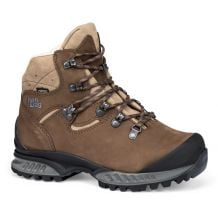
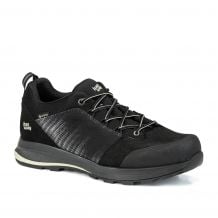
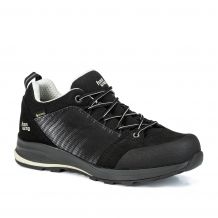
Long-distance enthusiasts will also appreciate the Hanwag Tatra Light Bunion GTX. Lighter than the classic Tatra, it effectively supports trekking and sporty hikes thanks to its excellent compromise between stability, comfort, and lightness. Its specific fit limits pressure on the big toe without sacrificing the precision needed on varied terrains.
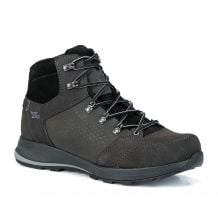
Finally, the Hanwag Alta Bunion II GTX is aimed at walkers who prioritize comfort above all. Its generous cushioning, particularly welcoming fit, and stability make it an excellent ally for long days spent on trails, especially when feet become sensitive over the kilometers.
Our tips for even more comfort
Even with a perfectly adapted shoe, some precautions can further improve comfort while hiking. It is advisable to try on shoes at the end of the day when feet are naturally a bit more swollen to replicate the conditions encountered during walking. Technical hiking socks limit friction and effectively wick away moisture. A properly adjusted lacing also helps keep the foot in place without creating pressure points. Finally, if the bunion is particularly pronounced, orthotic insoles made by a professional can provide an appreciable comfort boost.
A bunion should not prevent you from fully enjoying the trails. With a shoe specially designed to accommodate this particular morphology, it is entirely possible to regain excellent walking comfort. Thanks to its Bunion Last technology, Hanwag now offers hiking shoes that provide more space where the foot really needs it while maintaining the essential support for hiking. The models of Hanwag hiking shoes available on AlpinStore thus represent a great solution for all walkers wishing to continue exploring the mountains without letting the pain of a bunion hinder their desire for adventure.
.png)