€
€ Hiking
  Camping
  Trail
Trail  Running
  Mountaineering
  Climbing
  Mountain biking
  Road biking
  Survival
  Canyoning
  Alpine Skiing
  Ski touring
  Snow activities
  Snowboarding
  Cross-country skiing
  Lifestyle





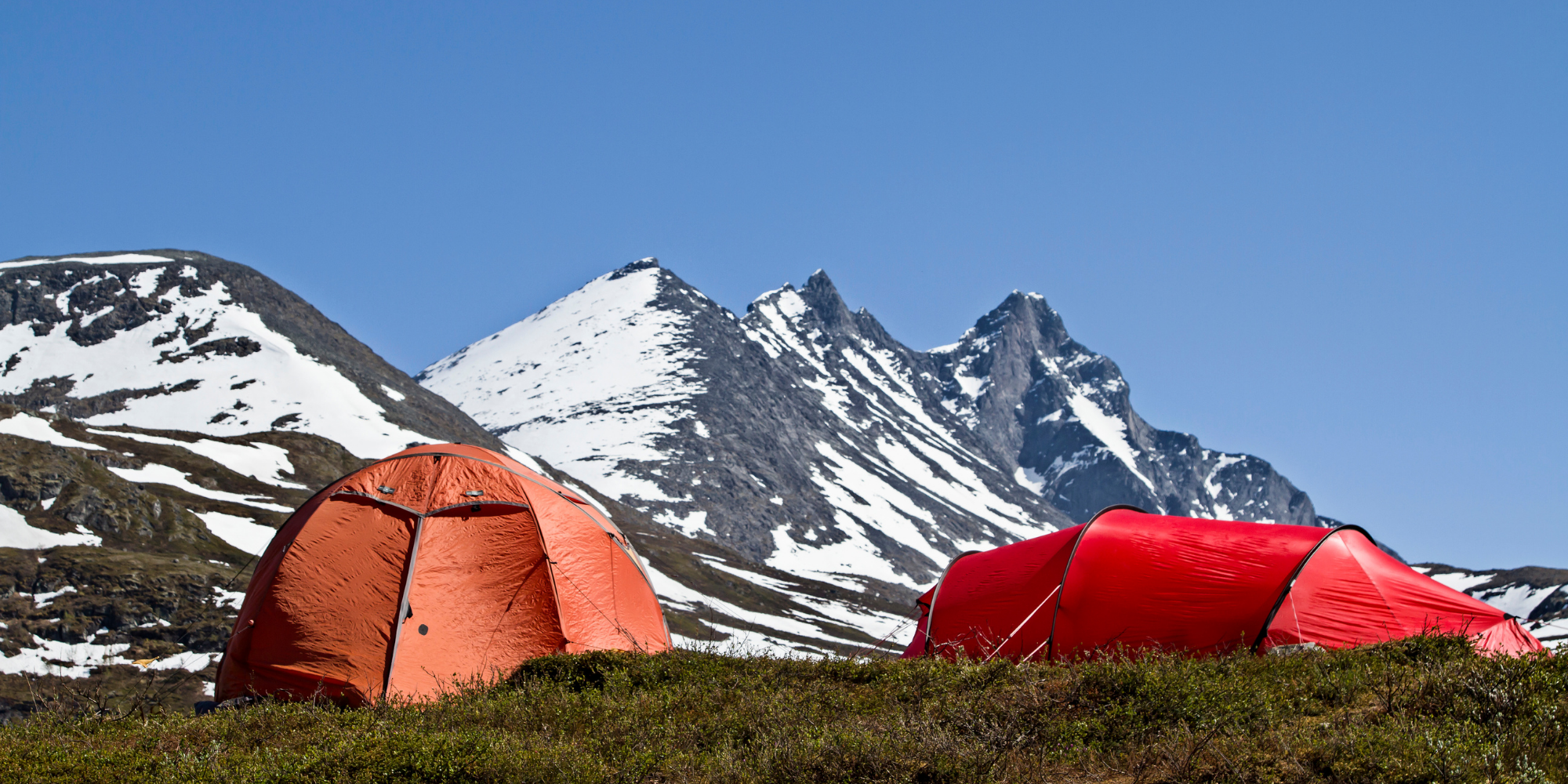
Sleeping in the mountains in the middle of winter is a unique experience: absolute silence, pristine landscapes, the feeling of being in nature and the cold... Therefore, to have a good night, it is essential to be well prepared: equipment, clothing, location, and tips. Here is a complete guide to successfully achieve your winter bivouac safely and comfortably.
Choosing the right equipment for a successful winter bivouac
.png)
The sleeping bag
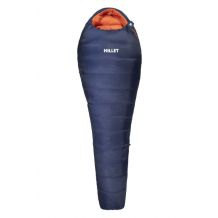
The success of a winter bivouac starts with the sleeping bag. It is your first barrier against the cold and the key to a good night's sleep that should not be neglected. To sleep comfortably in temperatures often below -10 degrees, down models offer excellent insulation and a reduced weight, while synthetic bags resist moisture better and remain effective even when slightly damp. The loft of the bag, the quality of its filling, and the comfort temperature indicated by the manufacturer are all criteria to consider.
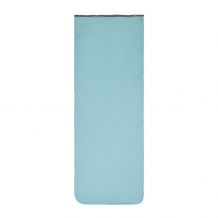
A comfort temperature of -10°C to -15°C for a night under a tent combined with a well-insulated mattress. Adding a thermal sleeping bag liner can increase warmth by a few degrees, providing additional comfort.
The sleeping pad
The sleeping pad plays an equally crucial role. Most body heat is lost through the ground, and an insufficiently insulated pad can turn a night into a real nightmare. The ideal is to combine a foam pad and an inflatable pad with a high R-value to maximize insulation. An interesting R-value for winter is considered to be between 4 and over 5.
The tent
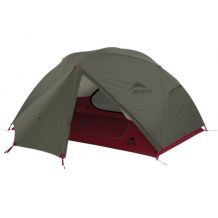
A four-season tent is designed to withstand wind, snow, and condensation. Reinforced poles, less ventilated fabric, and multiple guy lines ensure maximum stability. However, planning a winter tent with a sufficiently large vestibule for cooking or storing equipment helps limit exposure to the cold and frost. Setting up on snow requires packing the ground to create a solid platform and, if necessary, building a small snow wall to block the wind.
Technical clothing
Finally, clothing must be adapted to the freezing cold. The multi-layer strategy remains the most effective: a breathable and warm base layer, an insulating mid-layer like fleece or down, and an outer layer that is windproof and waterproof allow for heat regulation while staying dry. Socks, gloves, and hats must always be dry, as moisture accelerates heat loss and increases the risk of hypothermia. It is advisable to favor equipment with GORE-TEX membranes and merino wool clothing to protect against the elements.
See our selection of bivouac equipment to find your gear for winter outings
Finding the right bivouac location in winter
.png)
The choice of location is just as crucial as the equipment. Safety must be the absolute priority. Before choosing your spot, it is imperative to consider the avalanche risk and avoid steep or unstable slopes. Hollow areas or gullies can concentrate cold air and make the night much harsher. Staying informed about the Snow and Avalanche Bulletin (BRA) is an essential step in planning your bivouac.
It is advisable to select a slightly elevated and stable site, offering natural shelter from the wind, such as behind a mound or a rock. Observing the direction of the prevailing wind before setting up the tent can significantly reduce cold air infiltration. The ground must be carefully prepared: pack the snow to create a solid platform and, if necessary, dig a slight depression for the bottom of the sleeping bag. These details ensure maximum stability and limit the feeling of cold during the night.
Condensation presents another challenge to manage. Even at very low temperatures, moisture in the air and breathing can create water inside the tent. Orienting the door downwind, opening small ventilation flaps, and avoiding cooking inside are simple yet essential gestures to keep the space dry and comfortable.
Tips for managing the cold well (and sleeping well)
.png)
Staying warm during the night relies on a few simple yet effective techniques:
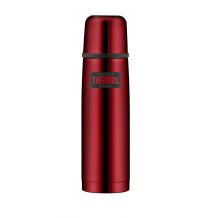
- A water bottle (that seals well) filled with hot water placed at the bottom of the sleeping bag can provide gentle and prolonged warmth.
- Shake the sleeping bag before settling in to reactivate the loft and maximize insulation.
- It is also crucial to sleep with dry clothing, but not too many layers so that body heat can diffuse into the sleeping bag and avoid reducing its effectiveness.
- Before sleeping, a warm and calorie-rich meal allows the body to produce heat naturally. Fats and carbohydrates are particularly effective.
- Moisture must be monitored closely. Slightly damp gloves and socks can be dried in the bag, but avoid breathing directly into the bag, as this moistens the air and reduces the effectiveness of the sleeping bag.
- Protecting your equipment from freezing is also essential: batteries, phone, water filter, and even shoes can be placed in the bag to maintain their functionality.
- Knowing how to recognize the signs of hypothermia, knowing when to give up bivouacking if the weather turns, and always having a plan B and a reliable means of communication are key. Preparation and anticipation are the keys to fully enjoying this adventure in complete serenity.
You may also be interested in these articles:
How to choose your tent for camping and bivouacking well?
Bivouac in the wild: essential equipment and tips for a successful night
How not to get cold feet this winter?
.png)