€
€ Hiking
  Camping
  Trail
Trail  Running
  Mountaineering
  Climbing
  Mountain biking
  Road biking
  Survival
  Canyoning
  Alpine Skiing
  Ski touring
  Snow activities
  Snowboarding
  Cross-country skiing
  Lifestyle





Cross-country skiing is a winter activity that combines endurance, technique, and enjoyment in nature. Whether you are a beginner or a regular practitioner, it is important to adopt the right practices to improve your performance and maximize your enjoyment on the trails. Here are five essential tips to progress in cross-country skiing.
Choose the Right Equipment
Good equipment is the key to an enjoyable experience in cross-country skiing. Here’s what you need to pay attention to:
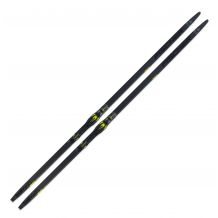
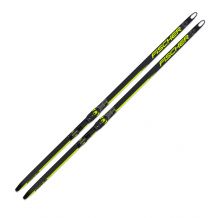
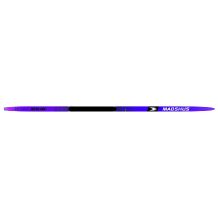
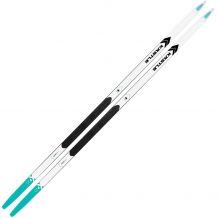
Choosing cross-country skis : There are two main styles of cross-country skiing: classic, which is practiced in groomed tracks and is suitable for beginners, and skating, which requires more balance and technique. Select skis that are suitable for your weight and level. Among our best cross-country ski brands, we recommend Madshus, Rossignol, or Fischer cross-country skis, available in our ski touring shop.
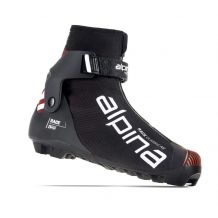
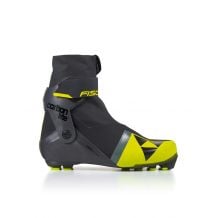
Cross-country skiing/skating shoes: They should be comfortable, well-fitted, and compatible with the type of bindings on your skis.
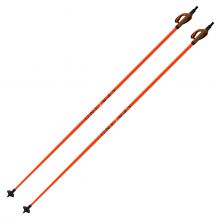
Poles: In classic skiing, they should reach under the armpits; in skating, they should reach chin height.
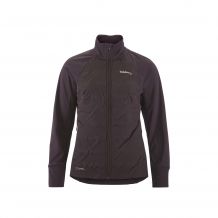
Clothing: Opt for breathable technical clothing and layer up to manage your body temperature (a thermal base layer, an insulating mid-layer, and a windproof outer layer).
.png)
Master the Basic Technique of Cross-Country Skiing
A good technique allows you to ski more efficiently and tire less quickly. Here are some essential points:In classic skiing:
- Work on your leg push and ensure you coordinate your arms well.
- Maintain a good weight transfer from one ski to the other to avoid slipping unintentionally.
- Keep your gaze far ahead to better anticipate trajectories.
- Learn to place your ski diagonally and push laterally.
- Work on your balance to ensure a good weight transfer.
- Coordinate the movements of your arms and legs for better propulsion.
.png)
Warm Up Before You Go
Manage Your Effort and Breathing
Maintain Your Equipment
Well-maintained equipment ensures better performance and prolongs its lifespan; find the equipment you need to maintain your cross-country skis on Alpinstore.
By applying these five tips, you will quickly progress in cross-country skiing while maximizing your enjoyment. Whether you are a beginner or experienced, the key lies in regular practice, technique, and good effort management. So, put on your skis and enjoy the beautiful snowy landscapes!
Feel free to check out our other blog articles on cross-country skiing, such as the article on how to choose your cross-country skiing equipment?.png)
<