€
€ Hiking
  Camping
  Trail
Trail  Running
  Mountaineering
  Climbing
  Mountain biking
  Road biking
  Survival
  Canyoning
  Alpine Skiing
  Ski touring
  Snow activities
  Snowboarding
  Cross-country skiing
  Lifestyle





Skating or classic?
Classic or alternative skiing:
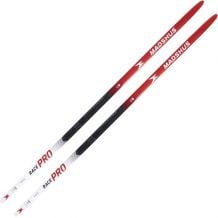
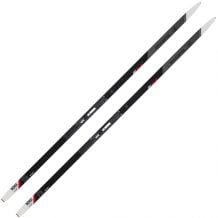
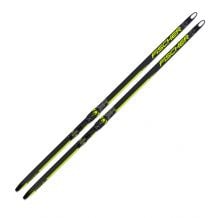
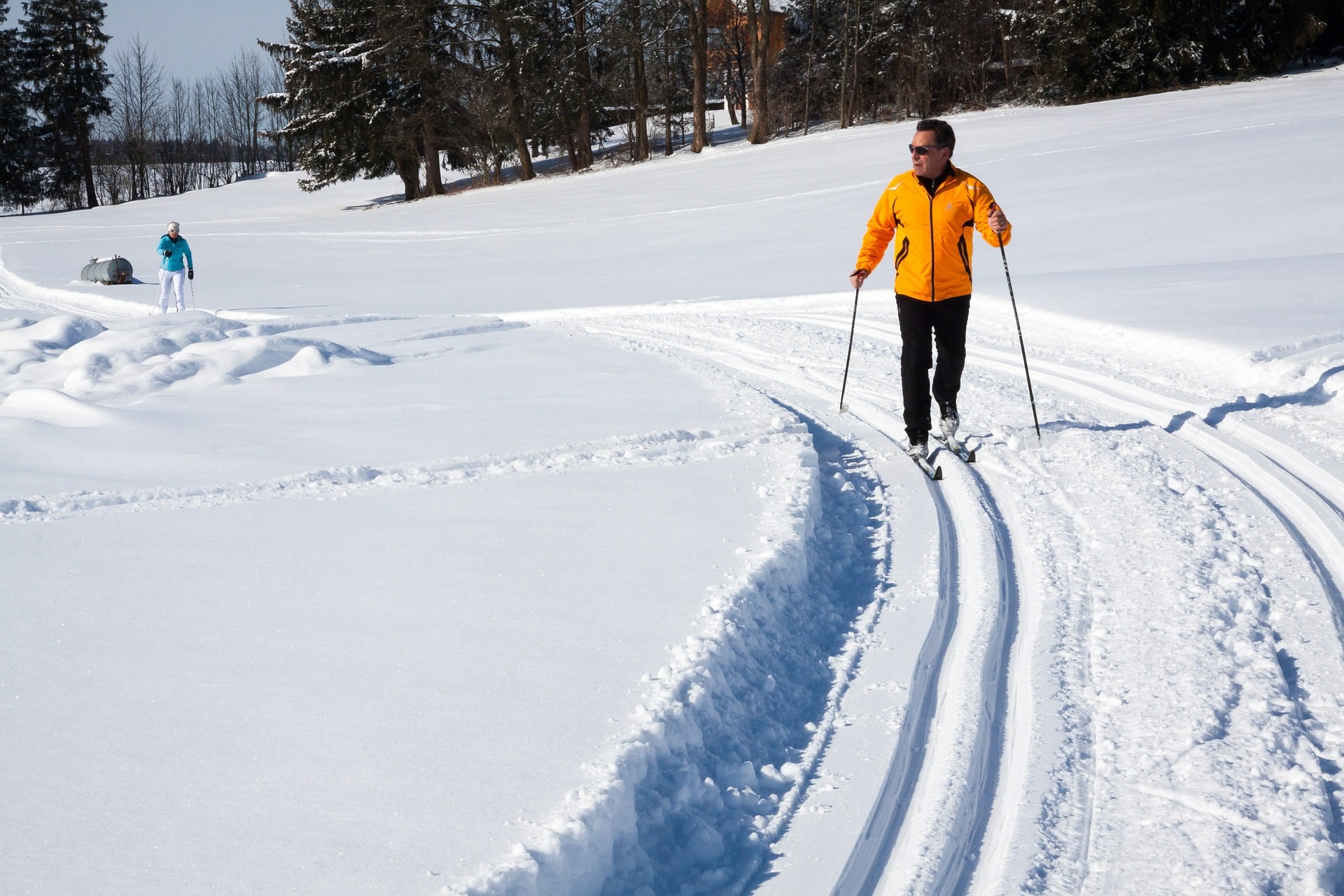
Classic cross-country skiing is practiced in the tracks marked on cross-country ski trails, it is the way the pioneers of the sport began. The skis are always parallel, and the effort is mainly concentrated on the arms and thighs. It is a good muscular complement and especially cardio for trail runners. The ski consists of a grip zone in the center that prevents sliding backward and glide zones at the front and back for forward movement. For skiers wishing to choose a classic ski, there are several types suited to all levels.
Skating cross-country skiing:
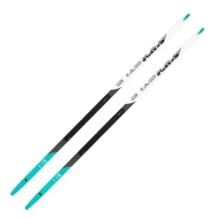
Skating cross-country skiing is completely smooth, the effort is somewhat like ice skating or rollerblading, moving from side to side. The goal is to find good glide whether on flat terrain, uphill, or downhill. It requires a lot of technique and works the cardio as well as the thighs, hamstrings, and shins. Skating is a more popular technical style than classic and is used in biathlon events by athletes like Martin Fourcade, for example.
Choosing classic cross-country skis:
There are 3 types of grip for classic or alternative skis.
- Scale bases, located in the middle of the ski, this system is perfect for beginners who want to stroll with alternative skiing. It offers good grip and decent glide. However, it can be limited when the snow is icy.
- Climbing skins, like in ski touring, a mohair or synthetic skin is present in the middle of the ski and allows for good forward glide and grip on all types of snow. To go further and benefit from a complete classic cross-country skiing equipment, you can opt for suitable packs.
- Grip wax that offers ultra-efficient glide/grip performance regardless of the type of snow. However, they require regular maintenance for a higher budget and are generally used by experts in classic skiing.
Choosing the size of classic cross-country skis:
How to choose your skating skis?
The cross-country skiing equipment:
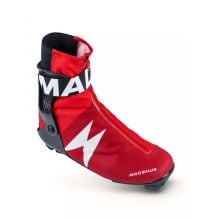
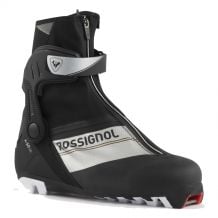
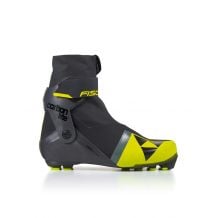
- There is a difference between choosing your cross-country skiing shoes according to the skating or classic style. A skating shoe will be taller with good ankle support for perfect control of the ski. In contrast, a classic ski shoe will be lower to allow for good ankle movement. For those looking to optimize their cross-country skiing shoe equipment during the winter or in view of competitions, specialized models are available, just like high-performance outdoor shoes for versatile use.
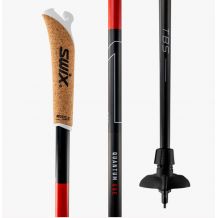
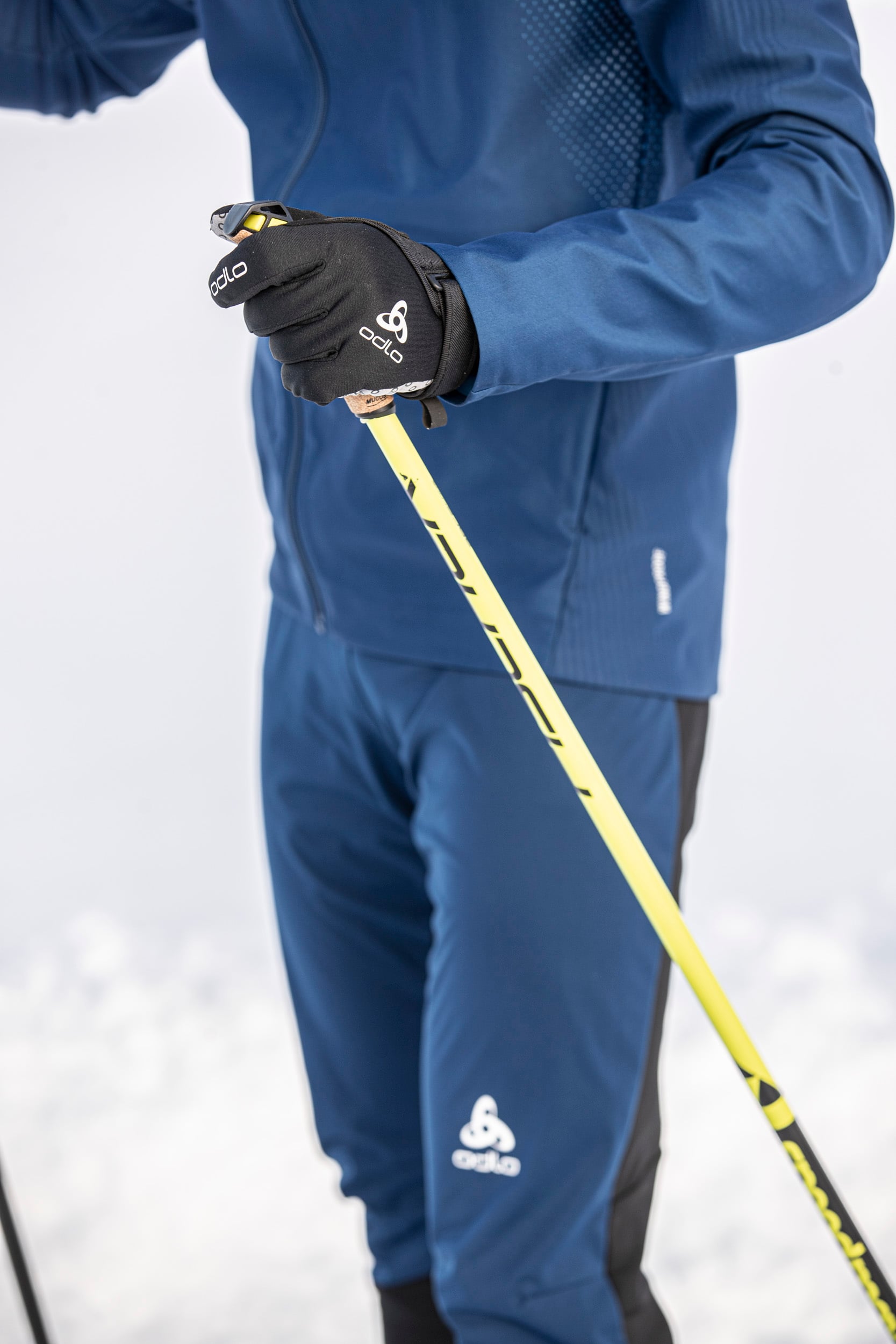
- For cross-country ski poles, it is the opposite of skis, it is recommended to take poles that reach the armpits for classic skiing to push well during effort. In skating, however, longer poles will be more effective, generally, a pair of poles should be chosen that reach shoulder height or even ear height for more experienced skiers. Also, remember to complete your equipment with cross-country skiing accessories suitable for all conditions.
- The cross-country ski bindings are to be chosen according to 4 systems: SNS, Prolink, Turnamic, and NNN. The Prolink, NNN, and Turnamic systems are all compatible with each other; however, the SNS binding system has a different standard and is only compatible with SNS-specific shoes.
A thin and lightweight binding will be more expensive and intended for experienced skiers, while a heavier and wider binding allows for better balance for beginners.
You now know everything about the fundamentals of cross-country skiing equipment, so all you have to do is make your choice and enjoy the many Nordic areas open this winter.