
 €
€Sign in
Contact
 Hiking
  Camping
  Trail
Trail  Running
  Mountaineering
  Climbing
  Mountain biking
  Road biking
  Survival
  Canyoning
  Alpine Skiing
  Ski touring
  Snow activities
  Snowboarding
  Cross-country skiing
  Lifestyle


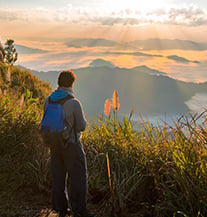


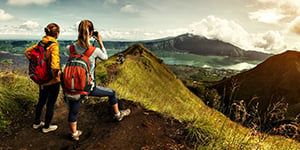
Hiking Backpack
Hiking Backpack: A Guide to Choosing the Right One
Are you looking for a bag for a walk, trek, or multi-pitch climb? This guide explains the types of bags, important criteria, and usage tips. Friendly tone, clear information, and practical advice for confident purchasing.
1. Types of Bags Based on Duration and Activity
- Day Hiking: 15–30 L. Sufficient for water, jacket, and picnic.
- Weekend: 30–50 L. Allows you to carry a small tent or lightweight sleeping bag.
- Trekking: 50–80+ L. For several days, food, and camping gear.
- Alpinism / Ski: technical models with straps for ice axes and skis.
For a tight budget, compare cheap hiking backpacks, but check the quality of the back and straps before buying.
2. Essential Selection Criteria
- Capacity: adjust the volume to the duration (see above).
- Weight: a lightweight bag reduces fatigue. However, be mindful of durability.
- Comfort: padded straps, hip belt, and ventilated back are key.
- Materials: durable fabrics, reinforced seams, and water-repellent treatment.
- Access and Storage: top opening, front zip, water pockets, external straps.
If you are going out in wet conditions, consider waterproof bags for outdoor activities or a waterproof cover.
3. Body Type: How to Choose Based on Your Body
The key: torso length and belt adjustment. Measure your torso and try the bag loaded. For families, here’s how to choose a backpack for children: opt for a small volume (10–20 L), narrow straps, low-volume belt, and a recommended maximum weight of 10–15% of the child's weight.
4. Brands and Compatible Gear
If you want to complete your gear, check out our selection of Black Diamond backpacks for hiking and also discover Black Diamond gear useful for climbing and accessories.
For safety and technical layers, consider Ortovox safety gear and technical textiles. If you already have elements from a specific brand, check compatibility: a Mammut backpack and gear can easily be combined with other technical pieces.
Finally, don’t neglect warmth and sleeping: the Rab textile collection and sleeping bags offers compact and efficient solutions for bivouacking.
5. Useful Accessories
- Rain cover or waterproof inner bag.
- Water reservoir (hydration bladder).
- Pouches for maps, safety whistle, straps for mats or poles.
- Pack protector to prevent wear on carrying.
6. Usage and Maintenance Tips
Load heavy at the bottom and close to the back. Adjust the belt before tightening the straps. Regularly air out the bag to avoid odors. Cleaning: soft brush, lukewarm water, and air drying, avoid tumble drying and harsh products. Repair small tears and replace worn straps.
FAQ
What volume for a day hike?
20 to 30 liters is generally sufficient: water, jacket, snacks, glasses, and first aid kit.
How to choose a bag based on my body type?
Measure the length of your torso and adjust the chest strap and hip belt. Trying it on with 5–10 kg is ideal to feel the comfort.
What accessories can be integrated into the bag?
Hydration, pouches, rain cover, pole holders, straps for mats, and loops for ice axes are common. Also consider a whistle and a map pouch.
Where to buy?
Compare models online and in stores. Look at reviews and technical guides. To see examples and purchase, check our product links and view models to choose based on your budget and needs.
Happy hiking!
