€
€ Hiking
  Camping
  Trail
Trail  Running
  Mountaineering
  Climbing
  Mountain biking
  Road biking
  Survival
  Canyoning
  Alpine Skiing
  Ski touring
  Snow activities
  Snowboarding
  Cross-country skiing
  Lifestyle



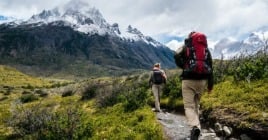
For nature lovers, adventurers, and the brave, going trekking is a truly good idea! You can discover new landscapes, enjoy the silence offered by the valleys of the mountains, contemplate the nature around you, and breathe the air of freedom. Also discover the essential accessories for your trail shoes to complete your gear.
Alone or in a group, the joys of trekking are numerous. But to fully enjoy this outdoor adventure, you need to walk without foot pain; carry a comfortable backpack suited to your body shape; have a lightweight sleeping bag suitable for the outside temperature; a lightweight and sturdy tent for camping in the best spots... You also need to think about performance trekking poles to gain stability on all terrains! In short, you need good equipment to fully experience this adventure!
To help you make your choice before the big departure, we have selected the essential products that are perfect for multi-day hiking. Don't hesitate to check our guide: everything for hiking and choosing your hiking gear!
1. Choosing your trekking shoes wisely
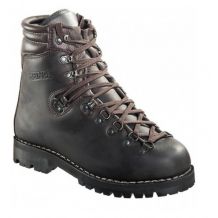
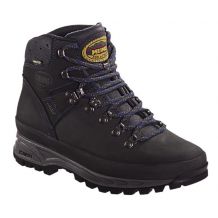
Whether you're going for a 2-day trek or longer, having good trekking shoes that don't cause you pain is essential! Also find our selection of high hiking shoes suited to each practice. Therefore, you need to choose them carefully. You won't choose the same shoes if you're going for a day hike (or two days) in low or medium mountains or if you're going on longer treks in medium and high mountains. For the former, lightweight walking, trail, or hiking shoes are sufficient. For treks, you need more protection, support, and durability, so you should look for shoes designed for trekking and/or high mountains (like mountaineering).
For multi-day treks with carrying, we recommend opting for high-cut hiking shoes with a waterproof membrane, which protects you with stone guards and are equipped with a quality sole.
To learn more, quickly discover the following article: How to choose your hiking shoes well?
.png)
2. Choosing your trekking backpack wisely
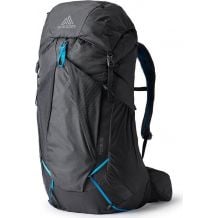
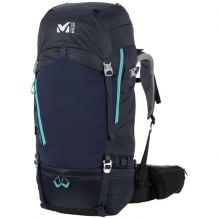
Choosing the backpack is also very important. You need to choose it carefully, taking into account the following elements: its storage volume, practicality, accessories and features, weight, and carrying comfort. To explore even more models, check out our selection of hiking backpacks from the best brands.
For long treks with camping, we recommend backpacks with a capacity between 50 and 80 liters to carry the sleeping bag, tent, and camping utensils. We advise against taking a backpack larger than 80 liters for walking, as the load would be too heavy. Backpacks over 80 liters are ideal for carrying a maximum of belongings if you are traveling abroad, for example, and can leave some belongings at the place where you sleep (such as a hotel, in a refuge, etc.). To choose a practical hiking backpack, you should look at its various pockets and access to those pockets. Then, weight is also a determining factor; you will carry every gram of your equipment, so the weight of the backpack needs to be considered. However, be careful, as the carrying system can sometimes add weight to your backpack but relieve you in carrying it. Therefore, it is essential to pay attention to this carrying system that provides comfort during your journey. This depends on several elements such as:
- The frames of the backpacks that allow the weight of the backpack to be transferred to your hips while accompanying your movements during walking, thus providing a feeling of greater lightness.
- Breathability and moisture evacuation with a ventilated back made of porous materials or a stretched back (with a space between the back and the backpack to allow air to pass through more easily)
- Adjustments: it is important to be able to adjust your backpack to your body shape to optimize carrying comfort.
Find a wide selection of backpacks from the best brands, Osprey, Lowe Alpine, or Deuter. Also enjoy our range dedicated to cross-country ski gear and carrying accessories..png)
3. Choosing your sleeping bag wisely
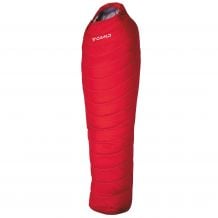
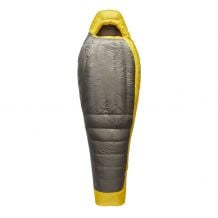
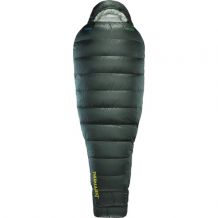
Going trekking also means being able to rest, and for that, you need a comfortable sleeping bag, lightweight to carry during the day, compressible so it takes up as little space as possible, and warm enough for outside temperatures. To choose your sleeping bag well, you need to look at the 3 temperatures indicated by the brands:
- The comfort temperature: it indicates the temperature at which the person is comfortable and does not feel cold in their sleeping bag.
- The limit comfort temperature: it indicates the temperature at which the person must curl up to avoid feeling cold.
- The extreme temperature: it indicates the temperature at which the person feels cold in their sleeping bag and risks hypothermia.
It should be noted that it is the comfort temperature that you should base your purchase on; it is with this temperature that you will have the most comfortable and pleasant nights to continue your journey. If you are someone who feels cold easily, opt for a sleeping bag with a comfort temperature slightly lower than the temperatures you will face.
To choose your sleeping bag well when going on treks, you need to consider the geographical area of your hike, the altitudes where you will sleep, the season, and the weather conditions to establish the comfort temperature you need for your sleeping bag.
The filling of the sleeping bag can also weigh in on your choice. A synthetic filling is often heavier and less compressible than down filling but is more resistant to moisture. You should adapt your choice based on what you need; if you are going to a humid region, do not choose down but rather synthetic, and vice versa.
Finally, for the shape of the sleeping bag, we recommend choosing a mummy shape for treks, which optimizes thermal protection, is lighter, and less bulky than rectangular sleeping bags (also called blanket sleeping bags). To complete your trekking equipment safely, also consider buying a headlamp for hiking for your nighttime movements. Among our lighting selection, find the Black Diamond headlamp online.
To learn more, click here: How to choose your sleeping bag?
4. Choosing your trekking tent wisely
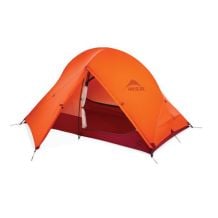
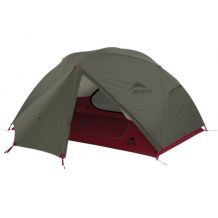
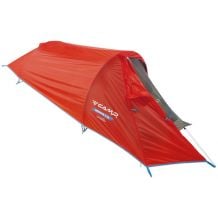
The last step to go with the essential gear for trekking is a lightweight and sturdy tent to protect you from potential bad weather and insects. In your choice, weight is the most important element; your tent needs to be lightweight so that you can carry it with all your other equipment without too much difficulty.
Next, you need to choose between a 1, 2, or 3-person tent. A tip: if you are 2, opt for a 3-person trekking tent; when you add the large backpacks, you will be less cramped than in a 2-person tent, although it can certainly be done, it would just be a bit tighter. To complete everything, check our section everything for camping!
For the choice of shape, it depends on your use. Dome tents (or "igloo tents") are easy to set up, offer more living space but resist wind poorly, so they should be avoided for high mountain camping. Tunnel tents are much more resistant to wind if well oriented but can be more difficult to set up. And geodesic tents have the best wind resistance, regardless of its direction, making them the best choice if you are going to high altitudes.
To learn more: How to choose your tent for camping and bivouacking?
.png)