The 5 good reasons to prefer leather for your shoes
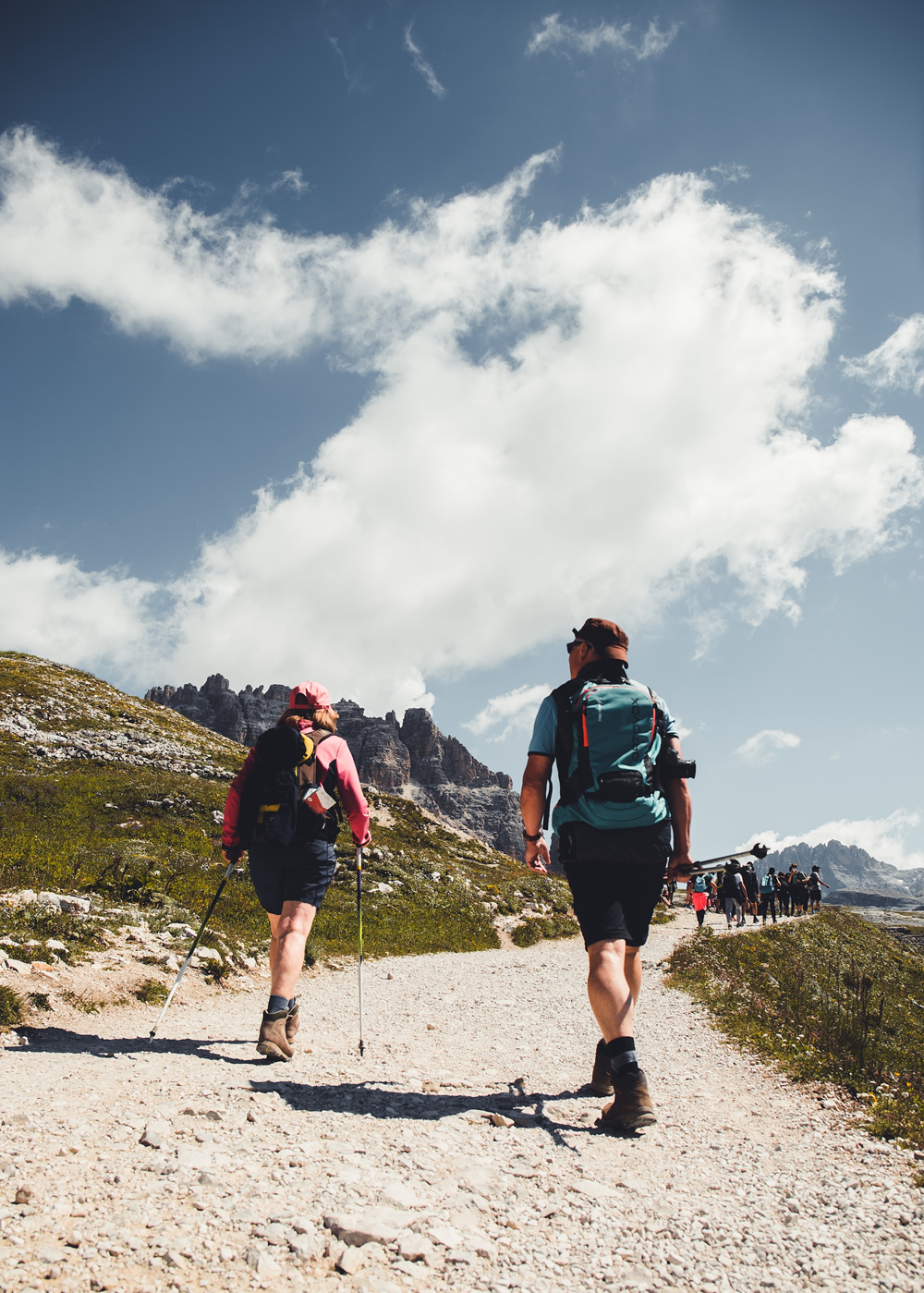
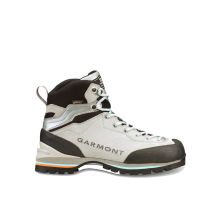
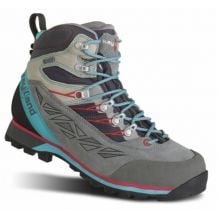
Leather has traditionally been the preferred material for shoes designed for hiking and mountaineering. Across generations, nature lovers have roamed the woods and climbed the peaks wearing leather boots and shoes. Even today, many adventurers remain loyal to natural leather hiking shoes when they set out on expeditions. For those looking for versatile models suitable for all terrains, buy climbing and après-ski shoes directly on our site.

However, the range of choices has significantly expanded. On one hand, fully leather trekking and mountaineering shoes remain available. On the other hand, we are increasingly observing the use of a mix of leather and synthetic materials in the upper of shoes. This mix is primarily found in lighter outdoor shoes designed for moderate level hikes. Shoe manufacturers tend to choose the upper material based on the intended use of the shoe. Also discover our selection of high hiking shoes designed to meet all the needs of demanding hikers.


You can choose between synthetic and leather

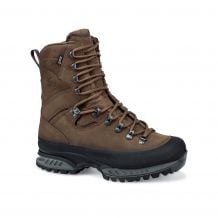
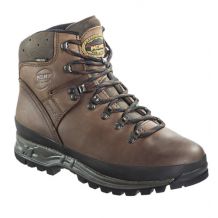
On the other hand, customers often have the option to select the lining material according to their preferences. Indeed, brands like HANWAG or MEINDL offer certain shoe models with a choice between leather lining and fabric lining. The latter is generally associated with a waterproof membrane such as Gore-Tex.

The question then arises: what is the ideal material for your hiking or mountaineering shoes? To make your choice, find everything for hiking and find the ideal equipment according to your needs.

Leather is more durable and robust

The more demanding the terrain becomes, the more the stability offered by the shoe becomes crucial. This stability plays an essential role in preventing ankle sprains and other injuries. A robust shoe also provides notable support, instilling the necessary confidence to tackle extremely difficult trails.

That is why trekking and mountaineering shoes intended for rugged terrains make use of thicker leather, which can reach 3 mm, for their upper part. This increased thickness and rigidity of the leather ensure unparalleled resistance, an aspect that synthetic materials, such as those used in lightweight hiking shoes or sports shoes, could not offer due to their flexibility.

Moreover, leather gives shoes a notable resistance. Its thicker nature allows it to withstand the challenges posed by rocks, sand, and moisture. However, it is important to emphasize the importance of regular maintenance of these shoes to prolong their lifespan. Also consider complementing your equipment with essential accessories for your trail shoes to get the best out of every outing.

In summary, if your quest is for a boot with notable robustness and resistance, leather is the primary choice. For even more complete equipment, also check out our selection of complete hiking gear and set out to explore the trails with complete peace of mind.

Leather is more durable

Unlike many other materials, leather exhibits a notable resistance to wear, retaining its shape and appearance over time, making it an intrinsically durable material. The only element that can truly alter its quality is its susceptibility to fragility. Tiny cracks can compromise its stability and diminish its ability to repel water effectively. However, this deterioration can easily be prevented by adopting a proper drying approach and regularly maintaining the leather through polishing. Don't forget to check out our selection of quality waterproofing accessories to best preserve your leather shoes.

But are leather shoes really indestructible? Like all shoes, the rubber outsole of leather shoes can undergo natural wear. That is why many models offer the possibility of being resoled.

In short, leather stands out from many other materials due to its resistance to wear, its ability to retain its shape, and its intrinsic longevity. Its vulnerability to fragility is the only aspect to monitor, and it can be effectively preserved through appropriate drying and polishing methods. However, the rubber outsoles of leather shoes, like all shoes, can inevitably wear out, thus justifying the possibility of resoling for the majority of models.

Leather offers the best fit

The lasts are responsible for the fit of a shoe. The last is the name given to the plastic model of a foot, around which the boot is shaped. They come in different sizes and for different foot shapes. The lasts thus allow the upper of a boot to take the required shape. And unlike soft synthetic fabrics, leather retains its shape, regardless of the number of expeditions or the age of the shoe. For optimal maintenance, we recommend our range of outdoor maintenance products suitable for all activities.

Leather adapts beautifully to the foot

When used as a lining, leather plays an equally essential role in ensuring an optimal fit. In this context, a more delicate and supple leather than that used for the upper is employed. It adapts even more harmoniously to the shape of the foot than a fabric lining would, while maintaining its structure. That is why the experience of wearing boots with a leather lining is truly rewarding. Wearing these boots adds the finishing touch and makes them feel almost like a second skin.

It is true that some voices argue that "only textile linings equipped with membranes make hiking shoes waterproof".

However, it is crucial to weigh all the elements. A leather shoe properly maintained and treated is often sufficiently waterproof in most situations. This applies particularly when moving in arid areas like southern Europe, or during day hikes where one can dry their shoes afterward. However, for multi-day expeditions in wetter environments like those in Scandinavia, we recommend a textile lining with a waterproof membrane.

Ultimately, the choice of lining partly depends on where you will wear the shoes. Nevertheless, in terms of fit, a hiking shoe with a leather lining remains a top choice.

Guide to ten recommended and to avoid practices for maintaining your leather shoes:

- Opt for leather shoes, as they fit ideally to the shape of the foot.
- Avoid lending your shoes, as leather can take the shape of the borrowers' feet.
- Clean, dry, and treat your shoes quickly after use, especially if they are dirty.
- Avoid storing dirty shoes in the closet to prevent any damage to the leather.

- Ensure adequate drying by placing them in a well-ventilated area after each use.
- Avoid exposing them to intense sunlight or high temperatures during drying, to prevent weakening the leather.
- Regularly polish and nourish the leather with appropriate products. Find our shoe care products.
- Avoid using oil or grease, as this could alter the breathability of the leather.
- Maintain the leather by applying hand cream from time to time, to preserve its suppleness.
- Be cautious of the environment to avoid damaging the leather with stones, sharp objects, or abrasive surfaces.
To complete your equipment, also discover our quality hiking accessories offered on Alpinstore.


Leather makes your shoes superbly comfortable

In addition to fit, air circulation and the breathability of a shoe also play a major role in the comfort it provides. During hikes, our feet sweat, leading to moisture buildup inside the shoe. This moisture and the heat generated are not only uncomfortable, but they can also promote the formation of painful blisters.

Thus, quickly and effectively evacuating moisture from inside the shoe is of crucial importance. This is where leather lining surpasses a waterproof membrane, as leather is even better at promoting air circulation.

Particularly for those prone to excessive sweating, the experience of wearing a hiking shoe with a leather lining is highly appreciated. This helps to prevent blister formation.

Leather is durable

The leather used in the manufacture of shoes actually comes from the meat industry as a by-product. On a global scale, the production of bovine hides far exceeds the needs of the leather industry, thus eliminating the need to slaughter animals specifically for their skin. Tanneries operate by recycling animal hides they already have at their disposal, thus transforming these raw materials into high-quality leather.

One of the striking features of leather is its notable longevity. When properly maintained, leather shoes can last for many years. This longevity contributes to resource preservation and reduces emissions associated with leather and shoe production, as well as their distribution and sale.
To further enhance environmental preservation and the efficiency of your equipment, consider checking all our quality waterproofing accessories and our offer of everything for hiking on Alpinstore.

The recycling of a natural resource and its prolonged life cycle are strong arguments in favor of the inherent durability of leather shoes.

In conclusion, there are many good reasons to choose leather for your shoes

As you have noticed, leather possesses multiple undeniable qualities. The preferred option, especially for robust hiking shoes and mountain shoes, remains the leather upper. Shoes made largely of fabric can be heavier and often more expensive. However, leather often manages to offset these aspects due to its undeniable longevity. Moreover, its fit remains superior, particularly when paired with a leather lining.
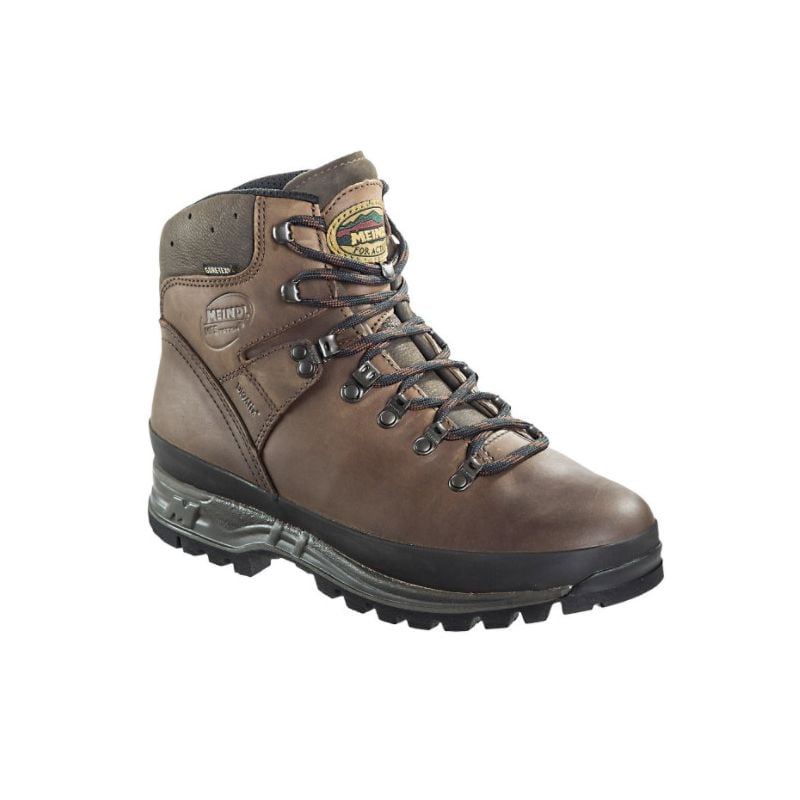
MEINDL Burma Pro MFS Hiking Shoes (Brown) Men