€
€ Hiking
  Camping
  Trail
Trail  Running
  Mountaineering
  Climbing
  Mountain biking
  Road biking
  Survival
  Canyoning
  Alpine Skiing
  Ski touring
  Snow activities
  Snowboarding
  Cross-country skiing
  Lifestyle




.png)
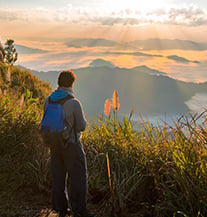
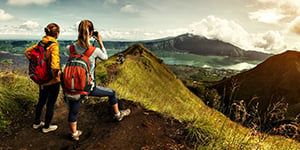
The arrival of beautiful days is an invitation to explore nature and embark on an adventure in the mountains or forests. Whether you are a fan of leisurely hikes or passionate about demanding treks, it is essential to prepare your body to fully enjoy the summer season. Here are our tips to optimize your physical condition and prevent injuries.
IMPROVE YOUR PHYSICAL CONDITION
Strengthen Your Cardiovascular Endurance
Hiking and trekking put a lot of strain on the cardiovascular system. To improve your endurance, engage in aerobic activities such as running, cycling, or swimming. Incorporate brisk walking sessions to get your body used to prolonged effort. Gradually increase the duration and intensity of your workouts.
Strengthen Your Lower Body
Your legs and joints are put to the test during hikes. To prevent muscle fatigue and pain, strengthen your quadriceps, hamstrings, and calves with exercises like squats, lunges, and calf raises. Train your stability with proprioception exercises, especially on an unstable surface. Practice going up and down stairs to simulate terrain variations.
Work on Core Stability and Back
Good trunk stability is essential for carrying a backpack without pain. Do static and dynamic core exercises (plank, side plank, mountain climbers). Strengthen your back with exercises like rowing or light deadlifts. Improve your posture with targeted stretches.
Improve Your Flexibility and Mobility
Good flexibility helps limit muscle tension and avoid injuries. Incorporate gentle stretching after each training session. Practice yoga or Pilates to improve your joint range of motion. Pay particular attention to your hips, knees, and ankles.
What Exercises to Focus on for Training?
- Brisk Walking and Hiking on Hilly Terrain: These activities strengthen muscles and improve endurance. Train with a loaded backpack to get used to the weight you will carry during the trek.
- Muscle Strengthening: Focus particularly on your legs, back, and abs by incorporating squats, lunges, and core exercises into your program.
- Stretching: Favor targeted exercises to loosen your calves, thighs, and back, thus reducing the risk of injuries.
- Endurance Activities: Engage in cycling, swimming, or jogging to improve your cardiovascular capacity and better withstand prolonged effort.
When to Start Training Before a Trek?
Ideally, start your physical preparation at least two to three months before departure, gradually increasing the intensity and duration of your sessions. Adjust your program based on your physical condition and the demands of the trek. For a plan tailored to your needs, consider consulting a professional.
Adopt a Suitable Diet and Hydration
Nutrition plays a crucial role in your performance. Consume complex carbohydrates for sustained energy. Increase your protein intake to strengthen your muscles. Stay hydrated regularly, before, during, and after exertion.
.png)
THE IMPORTANCE OF EQUIPMENT
Test Your Equipment Before Departure
Physical condition is not everything! Good equipment helps avoid many problems. Wear your hiking shoes several times before you leave. Adjust your backpack with a progressive load. Test your walking poles and clothing to ensure optimal comfort.
Which Backpack to Choose for a Trek?
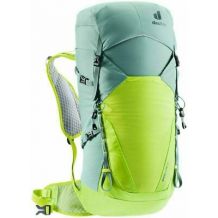
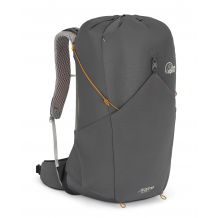
Choosing the right backpack is essential for a successful trek. It should be suitable for the duration and conditions of your hike, with enough capacity to carry all your gear. Opt for a comfortable model that fits well, with an effective carrying system and ergonomic straps to avoid back pain and facilitate your progress. To learn more, read the following article: How to Choose Your Hiking Backpack Well?
What Clothing and Shoes to Favor for a Mountain Trek?
For a mountain trek, it is crucial to choose clothing suitable for the weather conditions and the type of terrain you will encounter. Here are some recommendations to equip yourself with your favorite brands Ortovox, Salewa or Millet :
- Technical Clothing: Favor breathable and quick-drying clothing to avoid moisture and maintain a stable body temperature.
- Three-Layer Technique: A first layer to wick away sweat, a second insulating layer to retain heat, and a third waterproof and windproof layer to protect you from the elements.
- Spare Clothing: Remember to bring spare socks to prevent blisters and irritations.
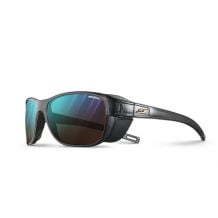
- Accessories: Gloves, a hat, a neck gaiter, and sunglasses are essential to protect you from the cold and UV rays.
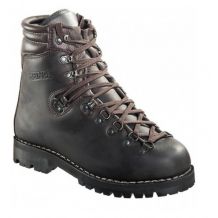
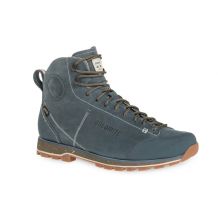
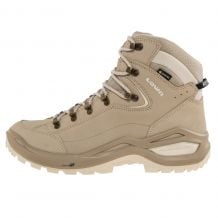
- Shoes: Choose waterproof hiking shoes that are comfortable, provide good ankle support, and have a non-slip sole. Try them on before your departure to break them in and avoid discomfort.
What Trekking Gear is Essential for Hiking?
- Tent: Lightweight and durable, suitable for weather conditions (optional).
- Sleeping bag and insulating mat: For restorative sleep.
- Stove and cooking utensils: To prepare your meals.
- Food supplies and water: In sufficient quantity for the duration of the trek.
- First aid kit: With necessary medications and first aid supplies.
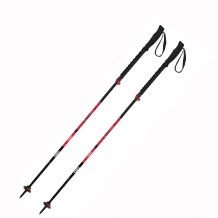
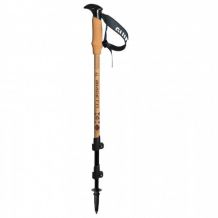
- Multi-tool, headlamp, and trekking poles: To facilitate your progress and ensure your safety.
- GPS device, topographic map, and compass: To navigate accurately.
Preparing your body for the hiking and trekking season not only improves your performance but also minimizes the risk of injuries and allows you to fully enjoy each outing. By following these tips, you will be well-prepared to tackle the trails this summer!.png)
.png)