
 €
€ Hiking
  Camping
  Trail
Trail  Running
  Mountaineering
  Climbing
  Mountain biking
  Road biking
  Survival
  Canyoning
  Alpine Skiing
  Ski touring
  Snow activities
  Snowboarding
  Cross-country skiing
  Lifestyle




Properly Prepare Your Backpack for 4 Days in a Refuge
Are you going hiking for 4 days and sleeping in a refuge? Perfect. We provide you with the complete checklist, practical tips, and mistakes to avoid. Here, we speak the truth: gear tested in the field by the AlpinStore team, pragmatic choices, and tips for going light without sacrificing safety.
The contents of your backpack vary depending on the duration, weather, and your walking style: committed trekking, contemplative, or fast. Above all, think about load and comfort: a light but well-balanced backpack makes all the difference. Also prioritize a high-performance hiking backpack to distribute the load and limit lower back pain.
We start with the list of essentials, inspired by our field selections. Then, tips for choosing the right size, optimizing organization, and adapting clothing according to the season.
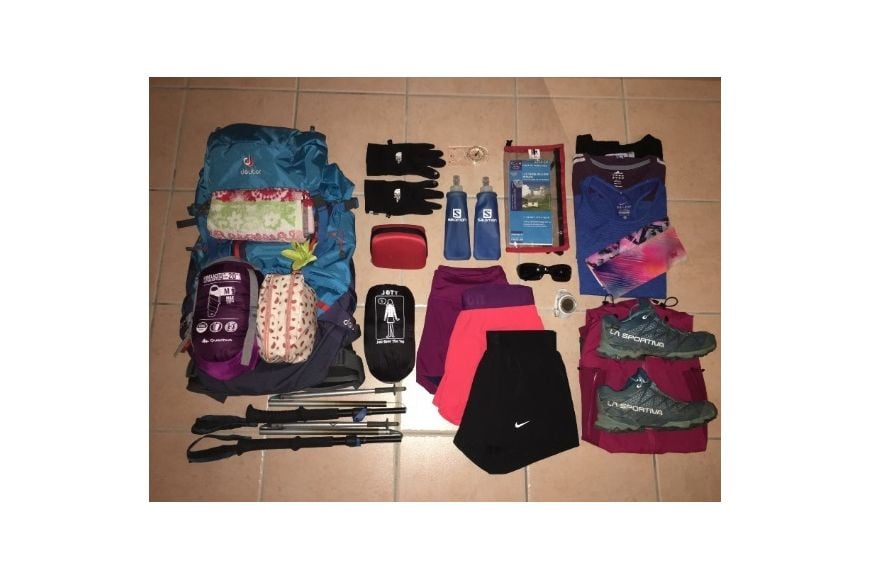
Equipment Checklist (condensed version)
- DEUTER backpack: AIRCONTACT LITE 45 + 10 SL
- Trekking sleeping bag: 15°
- Adjustable telescopic trekking poles BLACK DIAMOND
- Small microfiber towel
- Mini toiletry kit
- Lightweight down jacket
- First aid kit and emergency blanket
- NORTH FACE ETIP™ gloves (touchscreen)
- SUUNTO compass
- SALOMON 250ml flasks
- 2-in-1 shorts
- JULBO sunglasses
- SUUNTO AMBIT 3 SPORT watch
- IGN map + map holder
- Sports t-shirt (various brands)
- BUFF headband
- ARC'TERYX waterproof jacket
- LA SPORTIVA hiking shoes
This list covers the basics. You can adjust: a warmer sleeping bag if you rarely sleep in a heated refuge, larger flasks if water is scarce, etc. The goal: everything for hiking without overloading your back.
Clothing: How to Organize by Season
The golden rule: layers. A technical layer against moisture, an insulating layer, a windproof/waterproof layer. To guide you, we offer a selection of winter and summer clothing so you can mix pieces intelligently according to conditions.
In a refuge, you often sleep in a sleeping bag but also take a dry change: clean socks, a t-shirt, and lightweight bottoms. Think about cross-country ski clothing if you engage in Nordic activities or if you prefer very breathable layers for sustained effort.
Shoes, Navigation, and Safety
Shoes hold up: before you leave, take long hikes to break in the shoes and avoid blisters. If you want to equip yourself, we explain where to buy hiking shoes and how to choose them based on your foot and terrain type.
For navigation, map + compass remain essential. If you want to complete your gear, you can buy a hiking compass and practice reading maps before departure. A GPS watch is a plus, but it does not replace terrain reading.
Rain Protection and Accessories
Even in summer, the weather can turn. A lightweight waterproof jacket and a backpack cover can save a hike. Also check our selection of rain covers to protect your backpack and gear when it rains.
The little extras: headlamp, multi-tool knife, flint if you want to bivouac, and comfort accessories. We always prioritize quality hiking accessories so they last over time and in alpine conditions.
Choosing Your Backpack and Managing Load
Choose the right volume: 40-50 liters for 4 days if you sleep in a refuge and do not carry a tent. But if you bring more technical gear, go for 55 liters. Think about choosing your hiking gear based on total weight and modularity (pockets, straps, quick access).
For those who love technical brands, we offer tested options: you can also buy a Black Diamond hiking backpack if you want a specific cut and robustness, especially for demanding hikers.
Internal Organization and Tips to Save Weight
Pack by priority: what you will need every 30 minutes (water, snacks, lightweight jacket) within reach; the rest at the bottom of the backpack. Compression: used wisely, a compressed sleeping bag and waterproof bags optimize space.
Packing tip: place the down jacket in a waterproof bag, keep the first aid kit and papers in an inner pocket. Heavy items close to your back, low and centered. And don’t forget: a good adjustment of the straps changes everything.
- Before departure: buckle your shoes, charge your watch, test the backpack with real weight.
- On the trail: hydrate regularly, eat salty, check the weather in the evening and morning.
Your backpack is not a trash can: regularly check the weight, discard unnecessary packaging, and make rational choices. If you want to find everything in the same place and avoid back and forth, know that we offer a selection that covers everything for hiking, selected and tested by our team.
In summary: prepare a list, test your gear before the outing, choose an appropriate backpack, and prioritize quality over excess. If you still hesitate, contact us: we will advise you based on your build, terrain, and walking pace. We advise you like friends in a climbing party, no bullshit, with field experience.

Leave a Reply
All fields are required