€
€ Hiking
  Camping
  Trail
Trail  Running
  Mountaineering
  Climbing
  Mountain biking
  Road biking
  Survival
  Canyoning
  Alpine Skiing
  Ski touring
  Snow activities
  Snowboarding
  Cross-country skiing
  Lifestyle





.png)
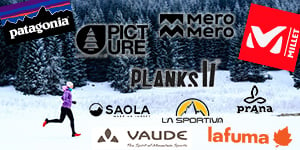
With the return of nice days, it’s the perfect time to evolve our hiking, biking, etc. equipment. But today, it’s hard to make a choice without considering the environmental impact of our purchases. Good news: some brands in our catalog are concretely committed to limiting their footprint. Whether through materials, production, or product durability. Here are 5 eco-responsible brands to know for more conscious gearing up this spring.
LOWA: durability above all
.png)
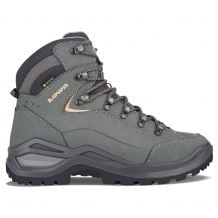
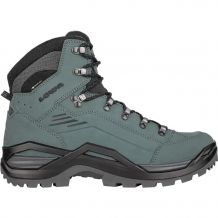
The German brand LOWA focuses primarily on a simple yet ultra-effective principle: to make its products last as long as possible. LOWA shoes are developed and produced in Europe with the aim of being repairable (resoling, maintenance) to extend their lifespan. They use a strict selection of materials with a restricted substances list (RSL) compliant with European REACH standards (rules for the protection of human health and the environment against the risks posed by chemical substances). They also exclude controversial materials (fur, angora, mulesing, etc.) and are developing an internal reference for sustainable products with enhanced requirements by 2027 to achieve carbon neutrality by 2050.
Learn more about LOWA's commitment
Meindl: craftsmanship, longevity, and controlled production
.png)
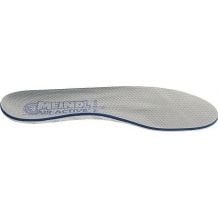
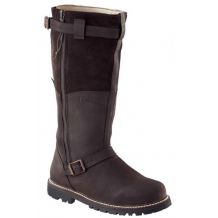
Less communicative than other brands, Meindl follows a logic of tradition and ecology: to manufacture durable, repairable products designed to last for years with production largely localized in Europe. But the real strength of Meindl remains product durability with leathers from certified tanneries (notably Leather Working Group), the integration of recycled materials in some components (soles, rubber). Gradual elimination of controversial substances like PFCs, reuse of production scraps. The brand also offers a maintenance and repair service, encouraging prolonging the life of products rather than replacing them. With its Identity range, Meindl takes the approach even further by offering models with fully traceable leather from European farms, in a logic of transparency and short circuits.
Vaude: one of the European leaders in responsible outdoor
.png)
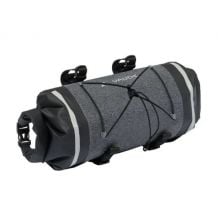
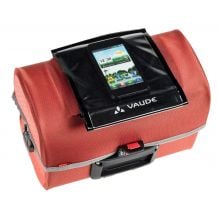
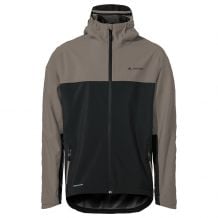
Vaude is often considered one of the most advanced brands in terms of sustainable development. With the development of the ecological label Green Shape and then obtaining the Green Button label, they are certified but also active in their commitment. Specifically, they opt for the exclusion of controversial materials and maximum traceability of resources, a strict material policy that favors recycled, natural, or innovative materials. A global reflection on eco-design and continuous improvement of packaging and resource consumption.
Learn more about the Vaude brand
Haglöfs: goal 100% recycled or renewable materials
.png)
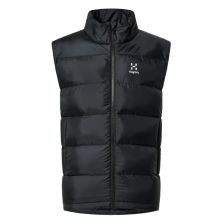
The Swedish brand Haglöfs has set very ambitious goals regarding climate and materials. Such as reducing CO₂ emissions by 50% by 2030 and using 100% recycled or renewable materials for its main fabrics. In terms of materials, Haglöfs increasingly uses recycled fibers (plastics, textiles), 100% organic cotton, and Responsible Down Standard (RDS) certified down in addition to leather from certified Leather Working Group tanneries.
Discover Haglöfs' new L.I.M collection
Prana: pioneer of sustainable textiles
.png)
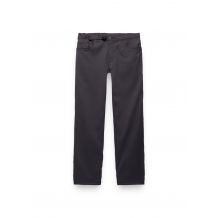
Prana is one of the historical brands of ethical clothing, with a very comprehensive approach. All products are designed to reduce ecological impact. The ingredients of food products are often sourced from organic farming. And the textiles favor recycled or natural fibers. In the development of its products, the use of 100% organic cotton reduces water and chemicals, development of responsible fibers like regenerative cotton, recycled polyester, and TENCEL™ fabric sourced from sustainably managed forests. The brand obtains several certifications through numerous labels (GOTS, Fair Trade, RDS, GRS…) and acts on the complete traceability of materials, with 100% plastic-free packaging since 2021.
Choosing an eco-responsible brand is not just about looking at a label. It’s understanding a global approach to sustainability, choosing low-impact materials, and supporting brands that are transparent about their production chain. So which brands will you choose for biking, hiking, or camping?
You might be interested in these articles:
Transitioning from winter to spring: how to adapt your outdoor equipment?
Cotopaxi: engaged, colorful, and responsible outdoor
Meromero, an ingenious and eco-responsible bag brand
.png)