€
€ Hiking
  Camping
  Trail
Trail  Running
  Mountaineering
  Climbing
  Mountain biking
  Road biking
  Survival
  Canyoning
  Alpine Skiing
  Ski touring
  Snow activities
  Snowboarding
  Cross-country skiing
  Lifestyle






Spring is back! It might be tempting to send all the winter gear to storage for next winter... but not so fast! We can surely make something out of it. With a bit of ingenuity, a large part of your outdoor gear can be reused or adapted for spring. Result: less spending, less waste... Here’s a complete guide to successfully make this transition smoothly.
Why adapt your gear rather than change everything?
Adapting to the season rather than a total replacement allows:
to save money
to reduce your environmental impact
to extend the lifespan of your equipment
to better know and master what you own
What you can reuse as is
We haven’t yet figured out how to reuse skis or snowshoes on the lawn, but some winter gear is perfectly suited for spring without any particular modification.
Technical textiles
The 3-layer system works all year round, to be adjusted according to conditions but the basics should be kept:
Base layers: always useful for managing sweat during chilly mornings.
Light fleece: ideal for intermediate temperatures.
Waterproof jackets (hardshell type): perfect against spring rains.
Softshells: excellent compromise between breathability / protection.
Shoes and accessories
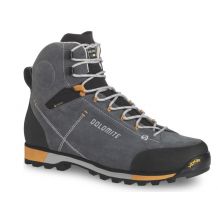
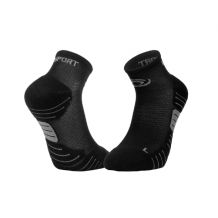
Waterproof hiking shoes are always useful in mud and wet terrain. You can adapt lighter socks if needed depending on the conditions. For warm socks, you can keep them for chilly morning outings.
Basic equipment
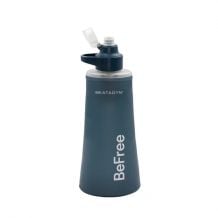
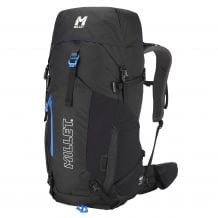
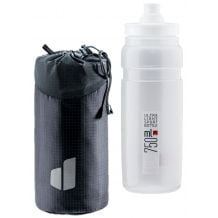
In the category of equipment that lasts all year round without exception, you can count: backpacks, water bottles and hydration packs, neck gaiters, headlamps, common sense prevails.
.png)
What you can intelligently adapt
This is where ingenuity comes into play: some winter gear can be adjusted to remain relevant in spring.
An alpine helmet, for example, can be reused for biking occasionally, but be careful about regulations and safety standards before hitting the roads: remove the warm internal liners if possible for more comfort. Too much rain on the bike? Ski goggles can also be repurposed for another use.
For hiking or snowshoe poles, just change the snow basket for a basket suited for drier terrain.
A down jacket or very warm jacket can become a static layer (break, bivouac) to cover up when there’s a bit of cool wind in the evening.
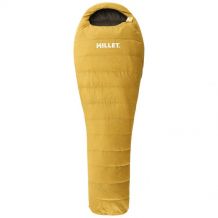
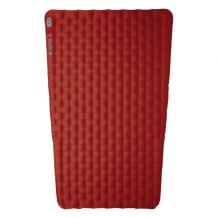
For winter bivouac gear, the sleeping bag is always usable, and if you fear getting too warm, open it or use it as a duvet. For the insulating mat, external heat will not affect its insulating effect from the ground; whether it’s designed for extreme cold, it will work just as well in spring.
Storage and organization
Some equipment is too specific to be useful in spring. Remember to clean, dry, and store your gear properly to extend its lifespan.
To set aside:
Skis, snowboard, snowshoes
Very insulating pants
Extreme cold gloves
Avalanche gear (beacon, shovel, probe)
Transitioning from winter to spring in the outdoors doesn’t require starting from scratch. By combining reuse, adaptation, and common sense, you can continue enjoying your activities while optimizing your gear.
You might be interested in these articles :
How to equip yourself for mountain biking: the essential checklist for riding with confidence
What equipment do you need for hiking? The complete guide!
Outdoor climbing: what equipment to choose to start climbing outdoors?
.png)
.png)