€
€ Hiking
  Camping
  Trail
Trail  Running
  Mountaineering
  Climbing
  Mountain biking
  Road biking
  Survival
  Canyoning
  Alpine Skiing
  Ski touring
  Snow activities
  Snowboarding
  Cross-country skiing
  Lifestyle




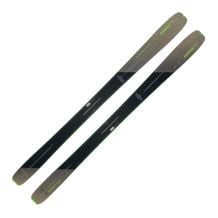
Backcountry skiing is increasingly appealing to enthusiasts seeking freedom and wide open spaces. But to fully enjoy it, it's essential to choose the right equipment. Here is a comprehensive guide to help you select the backcountry skis best suited to your practice. Discover all the best backcountry skis available on Alpinstore.
DEFINE YOUR TYPE OF BACKCOUNTRY SKIING PRACTICE
The choice of your backcountry skis must align with your style of practice and your goals in the mountains. Here is a detailed presentation of the main categories:
Classic backcountry skiing
This traditional practice involves ascending for the pleasure of descending, seeking autonomy in the mountains. The routes can vary from simple walks to more technical climbs. Skis suited for this practice offer a good compromise between lightness for the ascent and performance for the descent. They are generally versatile, allowing for progression on different types of snow and terrain.
Nordic backcountry skiing
Also known as backcountry cross-country skiing, this discipline is practiced on hilly terrain, often off marked trails. The skis used are wider than those of traditional cross-country skiing and equipped with edges for better grip. They allow for long distances in autonomy, ideal for lovers of wide open spaces.
Freerando (Freeride backcountry skiing)
This approach combines the effort of ascending in backcountry skiing with the pleasure of descending in freeride. Enthusiasts seek untouched slopes and deep snow. Skis designed for this practice are wider and stiffer, offering excellent stability and flotation in powder. However, they are generally heavier, requiring good physical condition during ascents.
Alpine skiing (Competition)
Designed for competitors and performance enthusiasts, alpine skiing emphasizes speed and efficiency in both ascent and descent. The skis are ultra-light, often at the expense of stability in descent. This practice requires excellent technique and rigorous physical preparation.
Steep skiing
By clearly identifying your type of practice, you can direct your choice towards suitable skis, ensuring safety and enjoyment during your mountain outings among the best brands such as Dynafit, Skitrab or even Plum backcountry ski bindings.
.png)
CHOOSING THE RIGHT WIDTH AND LENGTH OF SKIS
The width and length of skis directly influence maneuverability and stability:Waist width:
- Less than 85 mm: light skis suitable for ascents, but less performant in descent.
- Between 85 and 95 mm: ideal compromise between ascent and descent.
- More than 95 mm: better in powder, but heavier during ascents.
Length of skis:
- For versatile practice, take backcountry skis about 5 to 10 cm shorter than your height.
- For more buoyancy in powder, choose skis close to your height.
- For a more ascent-focused approach, slightly shorter skis will offer more maneuverability.
THE WEIGHT OF SKIS
Weight is a key factor in backcountry skiing. The lighter the skis, the easier the ascents, but this can compromise stability and performance in descent. A good compromise is essential depending on your practice.
- Light skis (less than 2.5 kg per pair): Ideal for long ascents and competition.
- Intermediate skis (between 2.5 and 3 kg per pair): A good balance between ascent and descent.
- Heavier skis (more than 3 kg per pair): Better stability in descent, particularly in freeride.
.png)
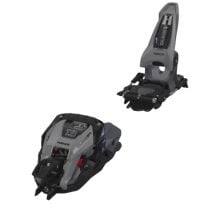
CHOOSING BINDINGS
Bindings must be suited to your practice and compatible with your boots:
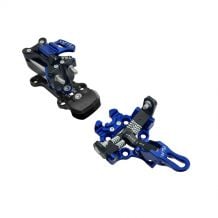
- Lightweight insert bindings (Low Tech): Ideal for long hikes, offering a good weight/performance ratio.
- Hybrid bindings: A compromise between weight and performance, offering more security and comfort in descent.
- Plate bindings: Closer to alpine bindings, they are heavier but offer excellent hold in descent.
CHOOSING SKINS
The skins are essential for the ascent. Two types exist:
- 100% mohair: Best glide but less grip.
- Mixed (mohair/synthetic): Good compromise between grip and glide.
- 100% synthetic: Best grip but less performance in glide.
 | A classic anecdote in backcountry skiing concerns poorly fixed skins. Imagine: a beginner skier, enthusiastic for their first outing, decides to stick their skins on quickly without checking too much. Everything goes well until the ascent… where their skis start to slide backward! Each step forward turns into an uncontrolled descent, bringing them relentlessly back to the starting point. After several unsuccessful attempts, they realize that the skins are on backward… instead of adhering to the snow, they let their ski slide like on an ice rink. Moral: always check the direction of the skins before leaving, or risk turning an ascent into an improvised backward skiing session! |
Choosing the right backcountry skis guarantees enjoyment in both ascent and descent. Consider your practice, your level, and your preferences to find the equipment that suits you best. Happy skiing!
In the same universe, don't wait any longer to read the next article: Our 5 tips for backcountry skiing
.png)
.png)