€
€ Hiking
  Camping
  Trail
Trail  Running
  Mountaineering
  Climbing
  Mountain biking
  Road biking
  Survival
  Canyoning
  Alpine Skiing
  Ski touring
  Snow activities
  Snowboarding
  Cross-country skiing
  Lifestyle




We have all gone hiking with a backpack loaded with “just in case” items. It’s reassuring at the moment, but carrying the weight of your fears over long distances can wear you down. With practice, you can easily determine which equipment is necessary and adapted to your needs, the terrain, and the weather conditions without taking any risks. But for now, we leave the second fleece and the solar charger at home and keep space for what really matters. Here are our tips and equipment for an optimized hiking backpack.
Choose a hiking backpack that is adapted.
.jpg)
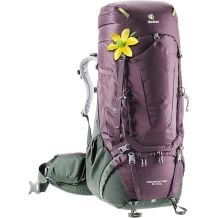
Whether you are going for a day hike or planning a stop at a refuge, it all starts with equipping yourself with a comfortable, light, and practical backpack. You adjust the volume of the backpack according to the duration of the hike: a small volume for a day and a larger volume with reinforcements if you plan to spend a night in a refuge or camping.
Choosing a backpack that is too large, is risky as you might take more than necessary thinking you have space. There is a wide variety of backpacks adapted to all your practices available in our selection of hiking backpacks.
Tip from the team :
Don’t forget to consider your body shape when choosing your backpack. Indeed, many brands like Osprey and Millet have designed backpacks adapted to the female body shape that will allow in particular to better distribute the load on the hips and gain comfort. And to help you, we have prepared a complete guide on how to choose your hiking backpack.
Only bring the necessary equipment for hiking.
.jpg)
There’s no secret, to have a comfortable backpack it has to be light. For that, there is only one rule: only take what is necessary. First, a compact first aid kit to always have on hand when facing the elements. To stay hydrated, plan for at least 1.5L of water per person. And finally, energy snacks to keep up the distance.
The rest should be adapted according to your itinerary, your practice, and especially your needs. But to help you prepare your backpack, we have designed a guide to equipment to take hiking as a basis to help you hike light.
Optimize the storage and weight of the gear in the backpack.
.jpg)
The best thing when planning a hike is to anticipate from the purchase of the gear. Choose a bottle made of stainless steel or aluminum which will be lighter when empty and will save us a few grams or even kilos once full. For snacks, remove the excess and we recommend you opt for a bag of dried fruits or nuts instead of the bulky and less nutritious packet of biscuits.
You can also save weight by prioritizing materials like carbon for our trekking poles and a folding or telescopic system that is easy to store or attach to the backpack.
Tip from the team :
Don’t forget the storage boxes and compartmentalize your belongings with compression bags, it’s a perfect space saver for textiles like fleece and down jackets. And as a bonus, waterproof bags keep your belongings dry in case of bad weather.
Distribute the loads and organize your hiking backpack.
.jpg)
In hiking as everywhere, comfort comes from organization. Place the heaviest gear like the water reserve close to your back and the lighter items like clothing or sleeping bag at the bottom of the backpack. Avoid hanging items on the outside like pots, which could swing during the hike.
Tip from the team :
We often neglect adjusting our hiking backpack, which is key to optimization. So, don’t forget to distribute the loads on the hips with the hip belt, to press your backpack against your back and take breaks to save energy.
These articles should interest you :
How to prevent blisters when hiking?.jpg)