In this particular winter, have you started practicing ski touring or do you wish to start? The ski lifts are not open and you need to find a way to climb, to enjoy the pleasure of skiing downhill? Opt for ski touring equipment, and why not choose a ski + binding pack to start or renew your gear!

Ski touring is now a trendy sport. Combining physical effort during the ascent and true pleasure during the descent, it will let you discover landscapes that will leave you speechless. If you want to clear your mind away from the crowded slopes, ski touring is the solution. However, it requires suitable equipment: skis, touring bindings

and climbing skins. This equipment (skins) is not entirely common for everyone, so Alpinstore explains how it works and gives you some tips on how to choose them among the best brands: Pomoca, Colltex or even Fischer skins. You will also find a selection of Gecko touring skins or our G3 ski touring skins selection on Alpinstore.


You can find all our climbing skin offerings, to have an incredible winter! Discover also the ski touring skins with express delivery to quickly enjoy the mountains.

All about climbing skins

  • Their functionality

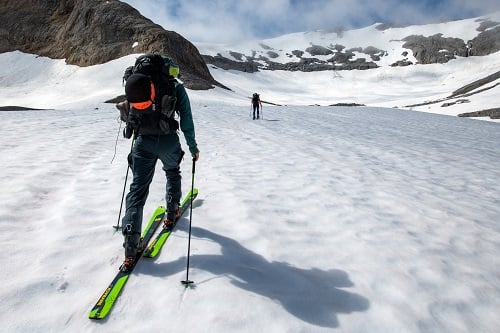
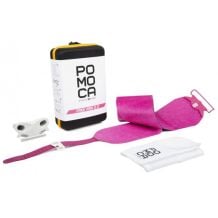
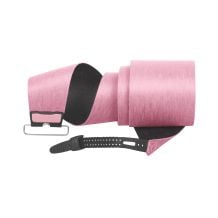
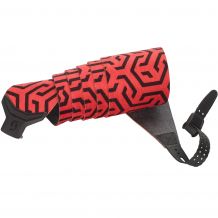
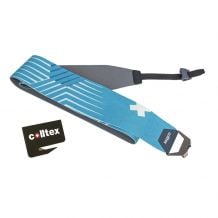
Climbing skins are the essential element for going ski touring. They are the accessory that allows you to ascend on skis without slipping. They attach to the base of your skis and create an "anti-slip" effect. Their adhesive surface ensures a pleasant ascent, regardless of the conditions. If you want to travel light, many models of skis and skins for alpine touring are available.
 
  • With glue or not

There are two different types of climbing skins: glued skins and self-adhesive skins.

The first ones mentioned are filled with glue

, which allows for excellent grip on your base. However, this system requires regular maintenance by re-gluing your skins, so that they are operational for each outing. They are often transported in a small bag, and each one sticks to a special mesh to avoid sticking to each other and to prevent dirt from adhering.

The self-adhesive skins are easier to use and require little maintenance since they stick to each other. Operating on the principle of molecular suction, they are more expensive to purchase but their functionality makes them an incredible invention.
  • Composition: mohair / synthetic / mixed

Nowadays, climbing skins are no longer made from animal hair (seal/elk) but rather from synthetic fibers. There are 3 models of climbing skins:

100% mohair skins: primarily used for competition, mohair skins are known for their glide and their very effective anti-slip effect. Be careful, they require real maintenance as they are fragile and wear out quickly.

100% synthetic skins: primarily used for specific practices (spring snow or hard snow), synthetic skins are ultra-light and very durable. However, they offer a lower quality of glide, which is why these skins are not often sold alone.

Mixed skins: primarily used for occasional to regular practices, climbing skins made of mohair and synthetic materials are ideal as they provide good glide quality, a good anti-slip effect, and excellent durability.
 
  • Attachment system

Although the skins stick to the base of your ski, they must be attached at the top and/or bottom to be properly secured. They can be attached in different ways to your pair of skis. There are 4 attachment systems:

Tip strap: often made of metal or plastic, the strap attaches to the top of the tip. Often found on climbing skins, this system is compatible with a large number of touring skis.

Quick tensioner: used by competitors, this system attaches/detaches in seconds without needing to remove your skis.

Tip and tail strap: mostly, climbing skins are sold with an attachment at the front and one at the back of your ski. Secured at each end, the climbing skin is ideally placed.

With insert: to save a little weight on your gear, the attachment system with insert can only be used for skis that have a small housing designed for this purpose at the top of their tip.
 

Choosing your climbing skins

Now that you know everything about the climbing skins available on the market, you need to choose which one will fit best on your pair of touring skis. For this, we advise you to consider the following two points: don't forget to also check the entire section ski touring equipment on Alpinstore.
    1. The dimension of your ski

The width of the waist (at the bindings) is crucial in choosing your pair of skins.

To make it easier for you, brands often offer a pair of pre-cut skins for each model of touring skis. This means that the pair of skins is specially designed for a specific model. If you want to go out with just the boards, also consider the naked touring skis.

If the skins are not offered with your pair of skis, then you will need to choose skins to cut yourself. In this case, be careful to choose a little wider than your ski waist, in order to finely shape them.
    1. Practice

Your practice should be taken into account when choosing your skins.

As explained earlier, if you are a competitor or expert, it would be preferable to choose glued skins with a quick attachment system.

If you are a regular hiker looking for performance, opt for a pair of glued skins with a mixed fiber (mohair + synthetic) and a front attachment system.

If you are an occasional hiker, you can choose between self-adhesive or glued skins and you should favor mixed skins with a front and rear attachment on your ski.
To complete your equipment, it is also recommended to buy specific ski touring equipment and invest in good ski touring clothing suited to your needs.


Now it's your turn! Find all our models of ski touring on Alpinstore ...
And if you need more advice, you will find it in the following article: Our 5 tips for ski touring

Related products

Share this post