€
€ Hiking
  Camping
  Trail
Trail  Running
  Mountaineering
  Climbing
  Mountain biking
  Road biking
  Survival
  Canyoning
  Alpine Skiing
  Ski touring
  Snow activities
  Snowboarding
  Cross-country skiing
  Lifestyle





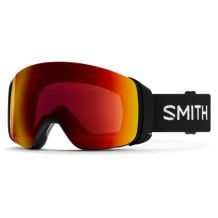
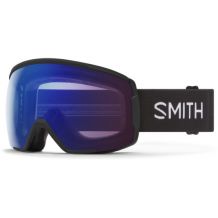
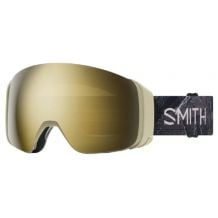
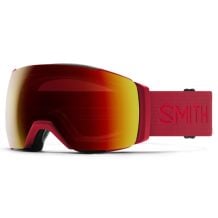
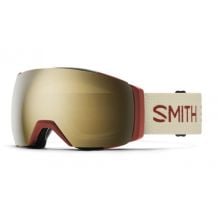
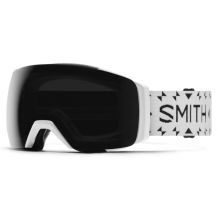
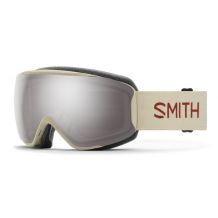
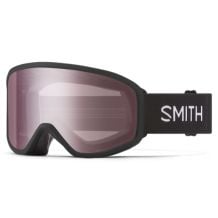
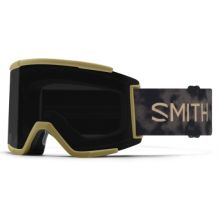
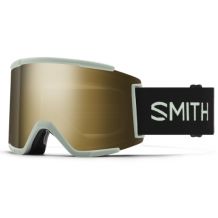
The ski goggle is a key element for comfort during a day of skiing. It will provide protection against the cold, but especially visual comfort like a pair of sunglasses. The difference between a pair of sunglasses and a ski goggle is that the latter can be used in all conditions (sun, clouds, snow, fog) while sunglasses can only be used when the outside light is significant.
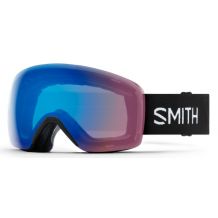
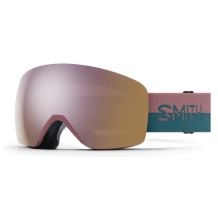
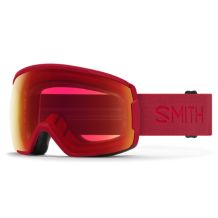
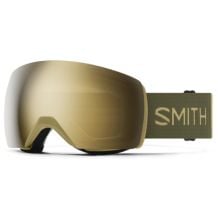
We will focus on the brand Smith and discover all their technologies to choose the goggle best suited to your practice..png)
The History of SMITH
Smith is an American brand of ski and snowboard goggles, founded in 1965 by Bob Smith. It is known for its innovation, design, and performance.
Smith was the inventor of the first sealed double-lens ski goggle, a technology that helps reduce fogging. The brand also developed ChromaPop technology, which enhances color perception and contrast.
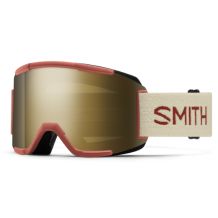
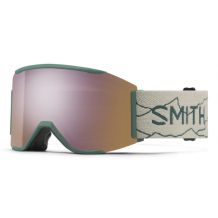
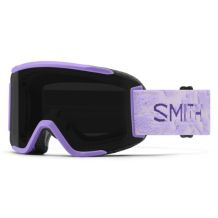
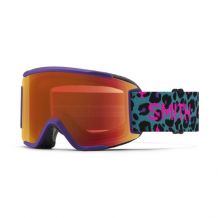
Smith offers a wide range of ski and snowboard goggles that are suitable for all weather conditions. The products are always available in a variety of colors and styles to best meet customer demand.
Today, the brand is very popular among skiers and snowboarders and is particularly renowned among professionals, including the American alpine ski team.
Why is it important to wear a ski goggle?
It is well known that it is important to protect your eyes in the mountains. Brightness is significantly stronger than in the city, and this comes from various causes. The snow! Indeed, snow reflects between 80 and 90% of light rays, which increases our exposure. Additionally, the power of UV rays increases by about 10% for every 1000m. Therefore, it is essential to protect your eyes during every outing.
Note! Wearing a goggle not only protects against sunlight. It provides real protection against wind, snowfall, or even between ski pole tips.
By opting to wear a goggle, you also ensure excellent visibility. Sun glare, high brightness, or fog are factors that maximize the risk of falls and injuries. Thus, with the different lenses and having the one suited to the day's conditions, you will achieve optimal vision, especially by spotting every relief.
What are the different types of lenses and their technologies?
The lens of your goggle is an important element in visibility, which is why it is important to choose the right lens for the day. Yes! If you didn't know yet, there are several categories of lenses:
Category 1: These lenses are very clear and are reserved for bad weather or fog since they let through between 80 and 92% of visible light. Often yellow or almost transparent, this lens will give you good visibility on the reliefs even on a white day.
Category 2: This category is versatile, it can be used in a variety of lighting conditions, but we recommend it for mixed weather with clouds. They let through between 43 and 80% of visible light.
Category 3: This category of lens is the most used, it is recommended for sunny days when the sun is shining. Its lens is rather dark and will prevent you from being dazzled by sunlight. It lets through between 18 and 43% of brightness.
Category 4: Category 4 lenses are reserved for extreme conditions, often used on glaciers or for people very sensitive to brightness.
Photochromic: Photochromic lenses are a special category as they automatically adapt to brightness. It may sound crazy, but they can cover several lens categories, such as going from category 2 to category 3 or from category 2 to category 4. Photochromic lenses are therefore extremely practical as they eliminate the need for multiple goggle models or several lenses for a single goggle. Note that the adaptation of the lens takes between 30 seconds and 1 minute, allowing for always clear and precise vision, regardless of external conditions. Go with peace of mind, your photochromic lens adjusts for you!
SMITH offers new technologies to guarantee you the best possible view:
The ChromaPop technology improves visibility by enhancing color definition and contrast perception. This technology filters colors to allow the necessary ones for good visibility of obstacles and reliefs. This technology exists in multiple shades, each for specific usage conditions (cycling, sea, snow…)
The advantages of ChromaPop technology include:
- Better color definition
- Better contrast perception
- A clearer view of obstacles and terrain reliefs
- A reduction in eye fatigue
Birdseye Vision is a technology that offers a 25% increased peripheral vision compared to traditional lenses. This allows skiers and snowboarders to have a better view of their surroundings to ensure better safety and more comfortable vision.
The shape of the goggle is not just about style!
There are two types of shapes for goggles, spherical shapes and cylindrical shapes. All Smith ski goggles are compatible regardless of their shape with Smith ski helmets.
Spherical: Goggles with a spherical shape are curved horizontally and vertically, you may observe slight distortion at the outer angles. The vision will be slightly less wide but higher than a cylindrical goggle. Freeriders particularly appreciate this type of goggle.
Cylindrical: The cylindrical shape follows a horizontal axis, the lens remains flat which allows for minimal distortion of the image. This type of goggle is more suited for use on slopes and remains more affordable.
| Spherical Goggles | Cylindrical Goggles |
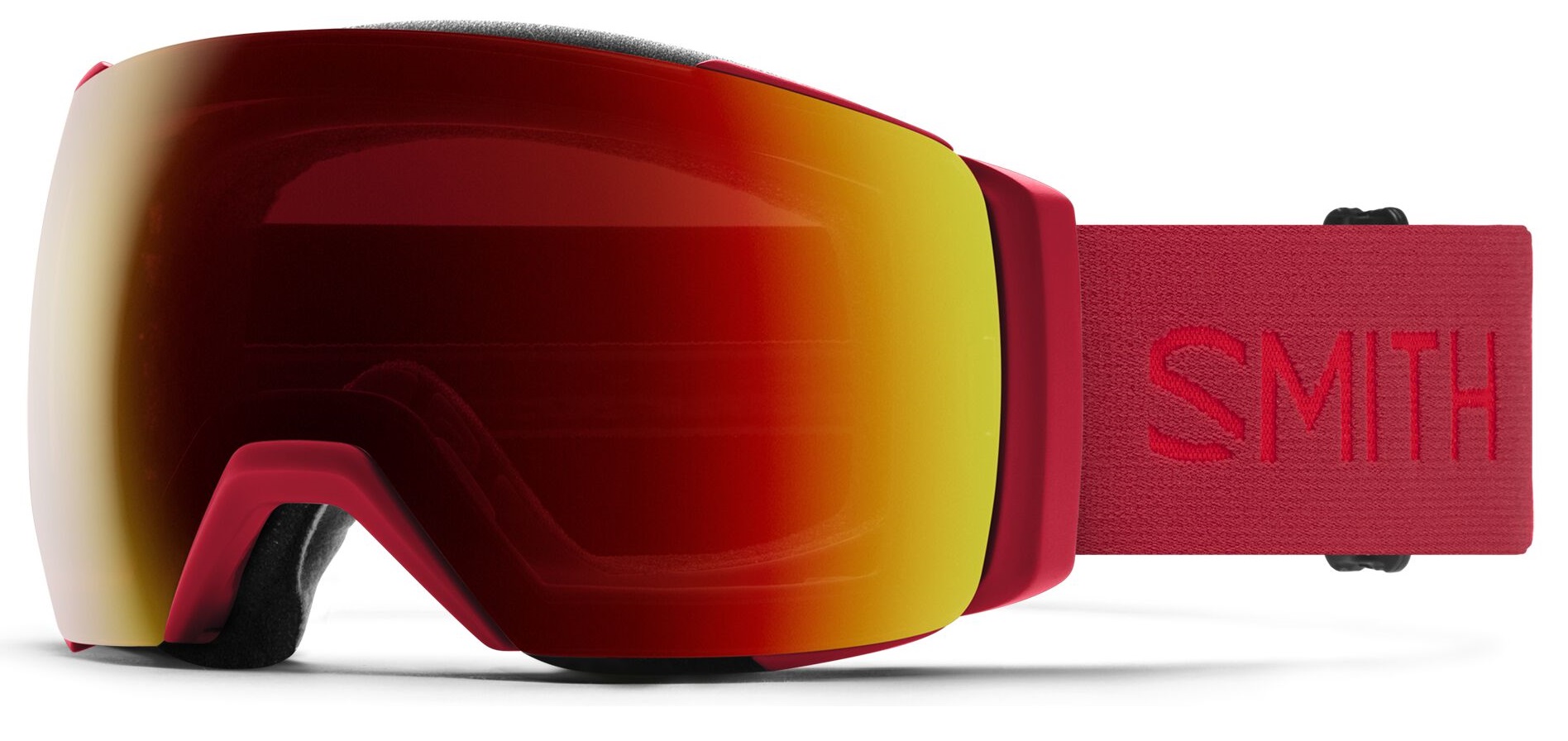 | 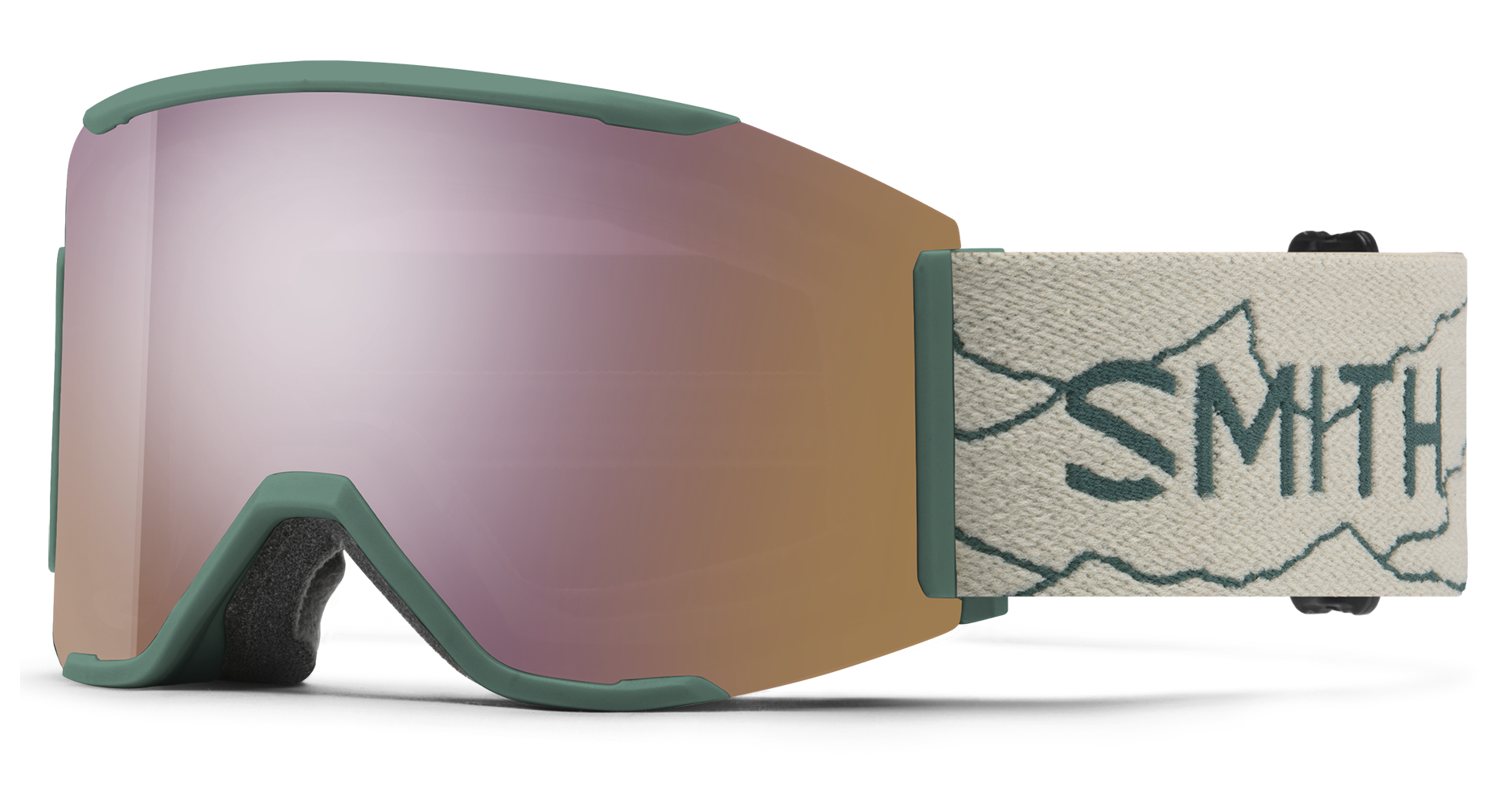 |
A goggle that adapts to all problems!
Wearing a ski goggle can be cumbersome for some people or in certain conditions (wearing glasses, fogging in the goggle, face shape, wearing a helmet…), which is why Smith has thought of everyone and especially created technologies that eliminate the need to worry about these details.
A goggle that adapts to all faces thanks to Responsive Fit technology.
Smith's Responsive Fit system allows the goggle frame to adapt to all faces. The frames are made with lightweight and flexible materials that conform to the contours of the face. This allows for a precise and comfortable fit, even for the most complex faces.
AirEvac the ultimate anti-fog system!
AirEvac is a ventilation system integrated into Smith goggles and helmets, this technology maintains a constant airflow between the helmet and the goggles to prevent fogging. The air from the goggle evacuates through the top of the goggle and then passes through the helmet and escapes from the top. The helmets and goggles of the brand automatically adjust to each other for the best possible evacuation.
Glasses wearers also have the right to wear a goggle!
The Smith goggle range also includes goggles for glasses wearers (known as OTG goggles) thanks to a generous overall volume and a more adapted shape. Indeed, the volume inside the goggle is sufficient to avoid fogging whether with or without glasses. OTG goggles are all compatible with Smith helmet models.