
 €
€Sign in
Contact
 Hiking
  Camping
  Trail
Trail  Running
  Mountaineering
  Climbing
  Mountain biking
  Road biking
  Survival
  Canyoning
  Alpine Skiing
  Ski touring
  Snow activities
  Snowboarding
  Cross-country skiing
  Lifestyle



Best alpine and freeride ski equipment
Discover an expert selection of alpine and freeride ski equipment at the best price, including skis, ski boots, poles, ski clothing, and accessories. Expert advice and ski buying guides

All our product categories for Alpine Skiing :


Brands Alpine Skiing :



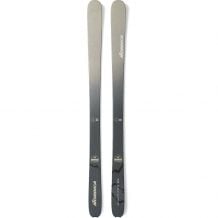
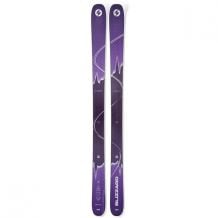
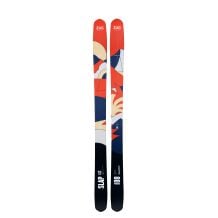
The practice of alpine skiing at an advanced level requires specific equipment that must meet the demands and conditions of the mountain. Choosing the right skis is not just a matter of personal preference, but also of performance, safety, and comfort. In this guide, we will explore the essential aspects to consider when purchasing alpine skis intended for intermediate to advanced skiers. Find our best alpine skis and other ski equipment.
Understanding the types of alpine skis
Before diving into the specifics of skis, it is crucial to understand the different types available on the market and their suitability according to style and place of practice.
Piste Skis
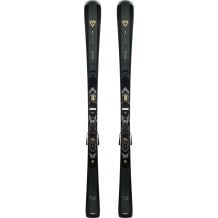
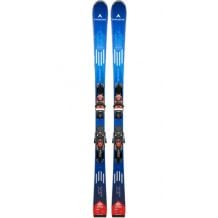
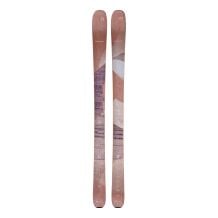
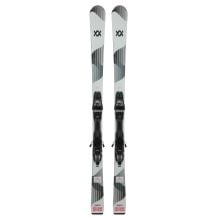
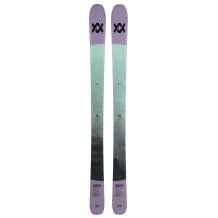
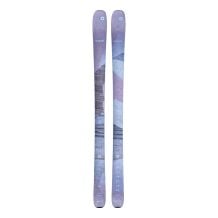
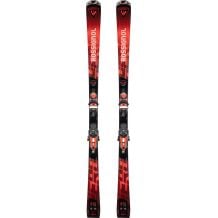
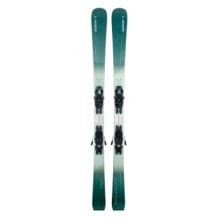
Piste skis are designed to be used on well-groomed terrain. They are generally narrower to allow for tight turns and great responsiveness. For an advanced skier, choosing a piste ski means looking for a model with good stiffness and a robust construction for better power transmission and increased precision in turns.
All-Mountain Skis
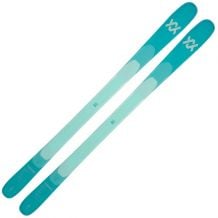
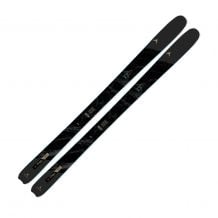
All-mountain skis, also known as all-terrain skis, are versatile and designed to perform in a variety of conditions, from groomed slopes to light powder. They are wider than traditional skis, providing better floatation off-piste while remaining performant on them. For those who enjoy varying their experiences in the mountains, these models represent an excellent choice.
Technical characteristics to consider
Length and Width
The length of the skis should be chosen based not only on your height but also on your weight and level of experience on snow. An advanced skier may opt for skis slightly longer than their height to achieve more stability during fast descents. In terms of thickness, a wider ski generally offers better floatation in powder, while a narrower model is ideal for quickly making precise turns on piste.
Core and Materials
The core of the ski greatly influences its responsiveness as well as its behavior under your feet during descents. Wooden cores often provide a good balance between the flexibility needed for comfort during daily use while ensuring the rigidity required by some experienced skiers looking to maximize their performance, thanks in particular to materials like titanium or carbon fiber integrated into certain modern constructions.
Additional details regarding equipment
Bindings suited to the type of use
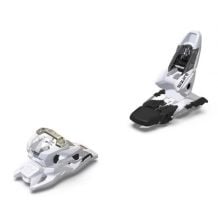
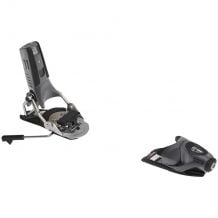
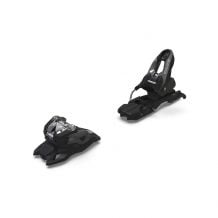
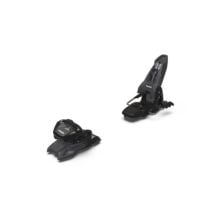
To ensure optimal safety while skiing, it is also important to pay attention to the bindings used: they must correspond perfectly both to the chosen type and to your own body weight! Robust models with a good adjustment range are essential, especially if you are a high-intensity enthusiast, as this directly impacts the overall performance felt during each outing!
Regular maintenance is essential
Regular maintenance is a key element in maintaining optimal performance; this includes frequent waxing, sharpening edges, repairing damaged bases... Investing the necessary time or even calling on professional services proves wise to ensure the longevity of the equipment used!
Thus, choosing the right equipment requires a clear understanding of specific needs according to the user profile (experienced skier). Consider the usual practice styles, conditions frequently encountered in local mountains, and the technical characteristics of the products considered before finalizing your purchase decision. Good equipment will allow you to fully enjoy mountain adventures while pushing personal limits with assured safety! Don't hesitate to explore our adjacent categories such as Snowboard, Cross-Country Skiing, or Ski Clothing.
All our purchasing guides Alpine Skiing :




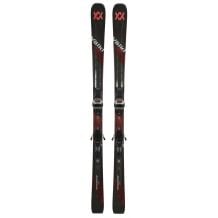
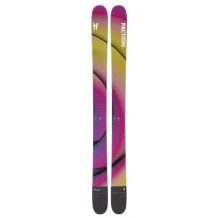
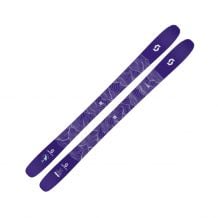
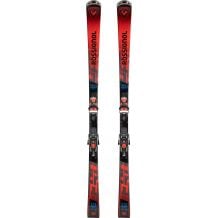
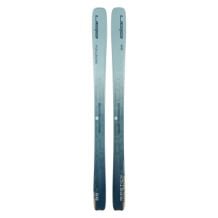
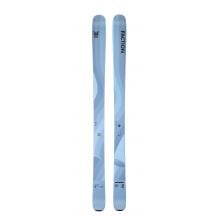
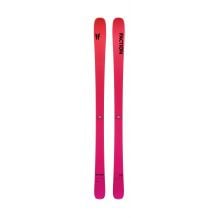
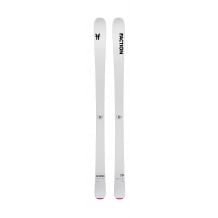
Our bestsellers Alpine Skiing :




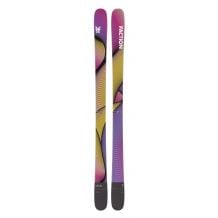

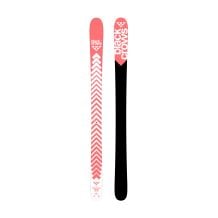

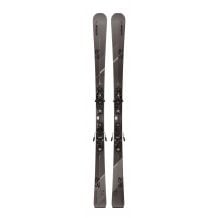
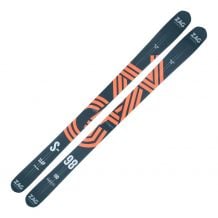














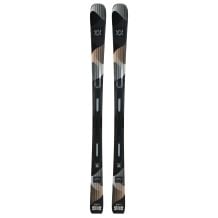
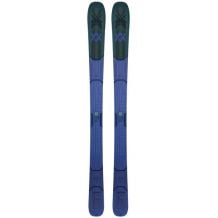
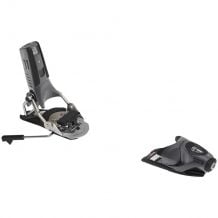
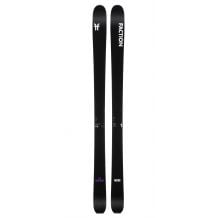











Read our tips and advice on Alpine Skiing :



Which expert selects the products in this category? :
Nico, product expert for ski touring, snowboarding and camping at alpinstore
"Passionate about the ocean and the mountains and a great travel enthusiast, I particularly enjoy surfing, trail riding, biking and snowboarding in winter."
