
 €
€ Hiking
  Camping
  Trail
Trail  Running
  Mountaineering
  Climbing
  Mountain biking
  Road biking
  Survival
  Canyoning
  Alpine Skiing
  Ski touring
  Snow activities
  Snowboarding
  Cross-country skiing
  Lifestyle




Dakine
.jpg)
Hiking bags Dakine at AlpinStore: comparison, models, expert reviews, and tips for choosing the right volume.

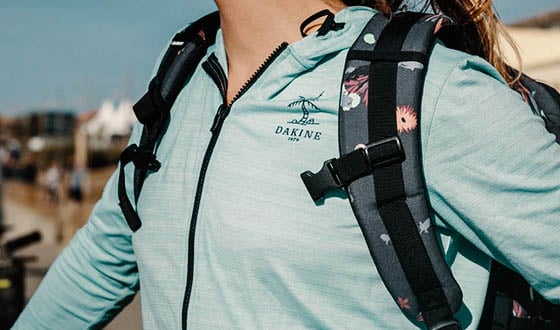
Dakine : the must-have brand
The brand Dakine was created in 1979 by Rob Kaplan, on the island of Hawaii. A manufacturer of extreme sports gear, it is primarily known for its backpacks even though it also offers clothing and accessories. Known for the efficiency, comfort, and robustness of its products, Dakine has developed like all other brands over the years.
Initially specialized in making surf accessories, the brand Dakine later shifted towards winter sports with skiing and snowboarding. Over the years, it has established itself worldwide as a reference brand for windsurfers and surfers. That’s why, with the help of its athletes, Dakine designs and develops innovative and high-performance products.
Surfers, skiers, snowboarders, freestylers, and riders have the opportunity to meet within the universe of Dakine. To satisfy their desires, the brand decides to expand its ranges with accessories such as beanies, caps, and luggage. Appreciated by both athletes and students, the brand continues to gain market share.
A brand committed to eco-responsibility
It is important to know that Dakine is now involved in sustainability. Indeed, the brand develops PVC-free products and focuses on a PET range, which is made from 100% recycled plastic bottles.
The earth and the sea are essential elements for the brand since the product ranges are made for these two environments. By improving their processes, reducing their impact, and building a community of advocates, Dakine thinks about our planet.
Today the brand uses recycled materials notably with the PET range described above; it uses Bluesign approved materials and maximizes the use of PFC-free DWR treatments.
Our Alpinstore selection
Alpinstore, a specialist in outdoor product sales, invites you to discover its selection. Here, we mainly offer backpacks, ski covers and accessories like beanies and caps. Ideal for your daily pleasure, the range Dakine seems perfect for you.
hiking bag Dakine : buying guide and expert comparison
Are you looking for a hiking bag Dakine that is efficient, lightweight, and tailored for the mountains? This page provides you with the essentials: which models to prioritize, how to choose the right capacity, and where to find the best deals. Short answer: prioritize technicality, fit, and durability. We explain everything, point by point.
brand history
Born in the sliding sports scene, the brand has evolved to become a reference for technical backpacks. Originally designed for wave and snow sports, it quickly attracted hikers and climbers thanks to solid materials and well-studied cuts. Today, the models inherit a culture of the field: reliability, ease of use, and thoughtful finishing. At AlpinStore, we respect this trajectory: we test in the field, without beating around the bush.
models and features: which one to choose?
The ranges can be read through a few simple criteria: capacity (liters), carrying system, access to equipment, water reservoir compatibility, and reinforcements for heavy loads. Do you want a bag for day trips? Look for around 20–30 L. For multi-day treks: 40–60 L. For snow, look for ski-carrying straps, pockets for shovel and probe, and attachment points for helmets.
- urban backpack Dakine : for those who alternate between city and hiking, optimized volume and laptop pocket.
- technical bag 20–30 L: lightweight, ventilated, perfect for trail and quick outings.
- trekking bag 40–60 L: reinforced structure, high-performance lumbar belt.
advantages, prices, and user feedback
Strengths: tested ergonomics, durable zippers, finishes that last over time. Users praise the quality of the fabric and modularity. Regarding prices, there are discrepancies depending on retailers and seasonal promotions: compare, but keep durability in mind as a purchasing criterion.
Practical advice: to complete your equipment, consider buying gloves Dakine suitable for your practice. You can also complement with a collection of caps and hats for summer outings or choose a collection of shorts for hiking when the heat rises.
- Features to check: ventilated back, torso adjustment, water pocket, quick access to the main compartment.
- Budget: check offers and compare warranties and shipping fees before deciding.
where to find the best deals and what to compare?
Compare platforms, watch for seasonal promotions, and read user reviews: they will tell you if the cover lasts over time, if carrying remains comfortable when loaded. If you practice other sports, take a look at the best mountain bikes and accessories to complete your versatile equipment.
For sliding sports and the mountains, also think about protecting your snowboard with our covers and choosing robust ski covers for the mountains if you travel with your gear. And if you are eyeing other essentials, you can also buy caps Dakine for the sun or look for cheap touring skis depending on the season.
quick FAQ
What volume for a day? 20–30 L. For a trek? 40–60 L. Does carrying really make a difference? Yes, especially over long distances. Your bag should fit your back and distribute the load.
Do you want more personalized advice? We are here to help. We speak honestly, like friends in a climbing party, and we prioritize the solution that holds up: or the slope.
