€
€ Hiking
  Camping
  Trail
Trail  Running
  Mountaineering
  Climbing
  Mountain biking
  Road biking
  Survival
  Canyoning
  Alpine Skiing
  Ski touring
  Snow activities
  Snowboarding
  Cross-country skiing
  Lifestyle





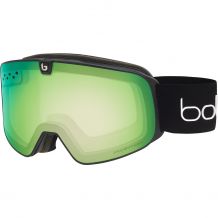
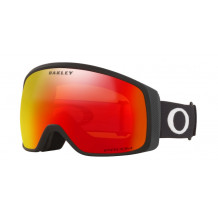
Having a ski mask adapted to your needs is essential to fully enjoy your ski/snowboard/backcountry outings... For a complete alpine ski equipment, it is also important to choose your mask properly. But sometimes, one can be a bit lost in the choice of ski masks: polarized lens, photochromic, the different categories, treated and tinted lenses... With this article, we will provide you with all the information to help you choose your ski mask well!
The ski mask is truly an essential part of your ski equipment; it is not only important to protect your eyes from the sun's rays, to avoid being dazzled by the sun's reflection on the snow, but also to improve your vision on white days or to protect your eyes when it snows or hails. The ski mask also protects you from the cold and the wind. So for those who are still hesitating, don’t wait any longer, rush to buy a ski mask, your best ally for skiing in the mountains this winter! To enhance your protection, it may be interesting to choose a secure ski helmet adapted to your morphology and practices.
We guide you in choosing your ski mask!
First of all, you need to choose the category of the ski lens according to the weather. This is indeed the first thing to look at to ensure that your ski mask is adapted to your practice. Besides the mask, also think about choosing your alpine skis to optimize your performance on snow.
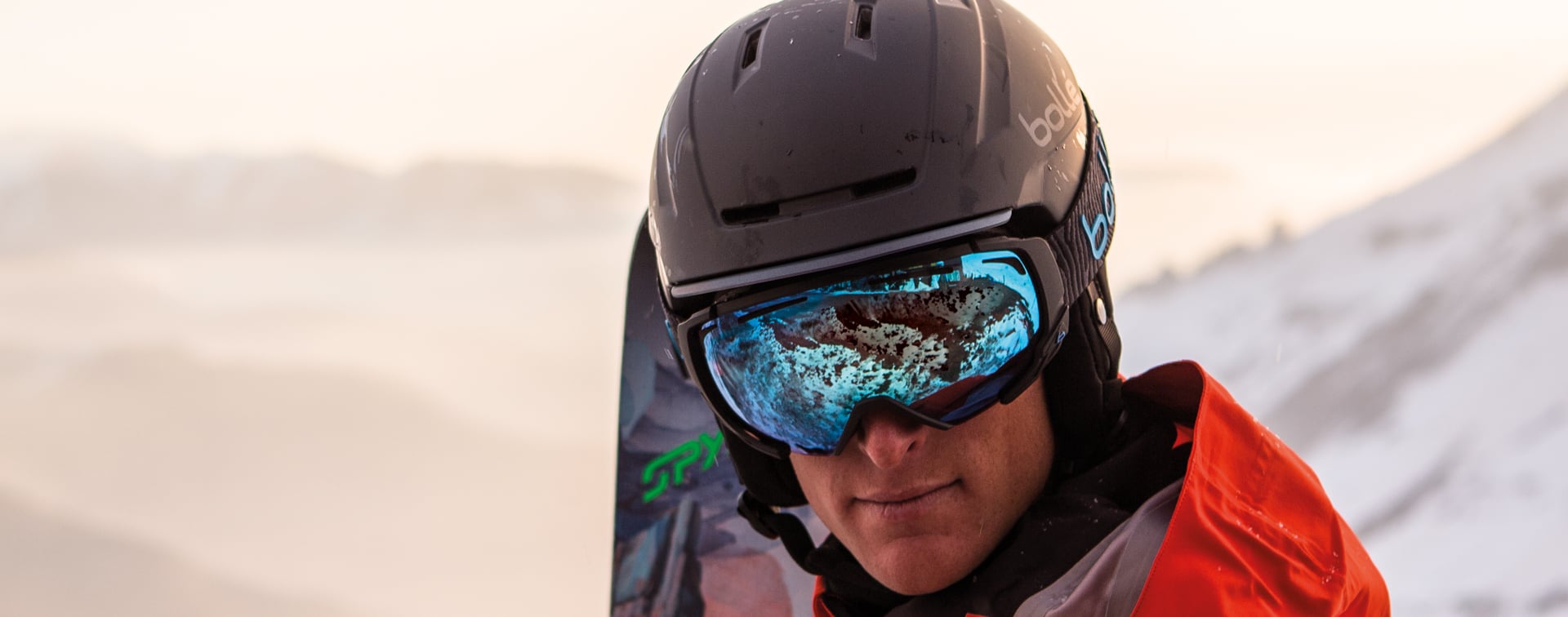
Which lens to choose for your ski mask?
1. The different lens categories
There are 5 main categories to categorize the lenses of ski masks. These categories allow you to choose lenses adapted to the weather and your practice. The category of a lens depends on the amount of light (transmission rate) that passes through it.
- Category 0 ski mask: More than 80% of light passes through these lenses. They are generally untinted lenses used for nighttime use.
- Category 1 ski mask : Between 80% and 43% of visible light passes through these lenses. Category 1 ski masks are therefore designed for bad weather, during your ski outings with low light (white days) or when there are severe weather conditions (snow, fog, wind, rain).
- Category 2 ski mask: Lenses that let through more than 43% to 18% of visible light. These ski mask lenses are recommended when the weather is mixed, when there is not too much sun, or when the weather is changeable. They are quite versatile lenses.
- Category 3 ski mask: These lenses let through between 18% and 8% of light. They are the most frequently used lenses for sunny days.
- Category 4 ski mask : Less than 8% of light passes through this lens. This lens is rarely used; it is adapted for very high altitudes, such as on glaciers.
2. Should you choose a ski mask with a photochromic lens?
The advantage of a photochromic ski mask is that it adapts to all weather conditions, which saves you from having to buy several masks with different categories and having to plan for your ski sessions if the weather changes.
Indeed, photochromic lenses react to UV light and automatically adapt to the brightness of your playing field. In other words, the photochromic lens darkens in sunlight and lightens in clouds, thus transitioning from one category to another; it covers at least 2 categories, but you can find lenses that cover 3 categories! Convenient!
Ski masks with photochromic lenses can be found from the following brands: Julbo, Bollé, Smith, Oakley, or Scott. Julbo remains the reference brand in this field with its Reactiv range.
3. Should you choose a ski mask with a polarized lens?
In general, all ski masks are equipped with a polarized lens. This guarantees more effective protection against the sun's reflection on the snow by blocking dazzling rays. Polarized lenses act as an anti-glare filter, thus improving contrasts for better vision of the terrain. To equip yourself comprehensively, discover our complete ski equipment adapted to all needs.
The best combination is to have a lens that is both photochromic and polarized.
4. What colors of lenses to choose?
In addition to the different categories and photochromic and polarized technology, ski mask lenses also come in different colors, and again, it’s not just a matter of aesthetics. The different tints also play a role in enhancing the perception of relief and optimizing ambient brightness. So, this is a role not to be minimized when choosing your ski mask for optimal visual comfort!
An orange, pink, or yellow lens enhances relief, especially in foggy conditions. With a yellow lens, you risk being dazzled if the sun suddenly breaks through. Orange and pink lenses are therefore more versatile. The darker the tint of your lens, the more it protects you from brightness; this is the case for gray or brown lenses, which are more suitable when there is a lot of sun.
As for mirrored lenses, they aim to reduce glare by reflecting sunlight. A plus!
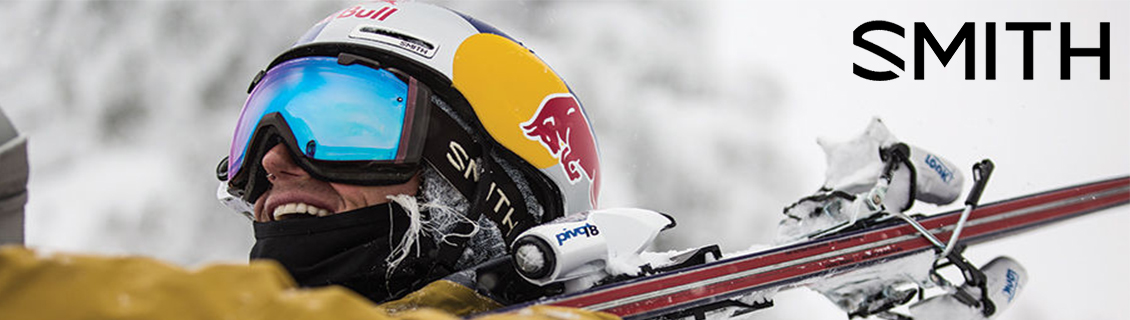
Choosing your ski mask well: comfort above all!
Now that you have chosen the category and tint of the lens adapted to your use and weather conditions, you can focus on the comfort of the mask, an equally essential element in choosing your ski mask. For this, we will review all the technical characteristics to have the best ski mask, guaranteed comfort during your ski outings this winter. If you are looking to choose a high-performance ski mask, take into account all of these recommendations.
1. Choose a ski mask with a shape compatible with your ski helmet
"To be comfortable in your ski mask, it must obviously be adapted to your morphology and your ski helmet. There are masks adapted for thin faces, for glasses wearers, or even XL versions. When you try your ski mask with your ski helmet, you should not feel discomfort at the nose, nor a feeling that the ski helmet is pushing your ski mask down; otherwise, it’s guaranteed discomfort. To be more sure of compatibility, opt for a helmet and mask from the same brand, but again, nothing is guaranteed; it depends on your face! So nothing is better than trying different shapes to see what suits you best. Don’t overlook the snowboards from the best brands to fully enjoy the slopes.
Find all alpine ski masks.
2. The foam
You will likely see the terms "bi-density foam", "triple density foam", or "single foam". The frame of a ski mask is covered with protective foam, and it can be single, double, or triple to enhance comfort and shock absorption. The thicker the foam, the more comfortable the ski mask will be, and it will absorb shocks better. This foam must also fit the shape of your face well to prevent fog from entering and provide you with all the comfort you need. For the rest of your equipment, find for example the Osprey ski backpack to organize your belongings during your outings on or off the slopes.
3. Ventilation
To avoid fogging inside your mask, the ventilation of the ski mask is essential. Brands have designed their own technologies to optimize air circulation in ski masks. Most ski masks are equipped with passive ventilation, which are the vents found on the forehead bar of the lens, allowing a continuous flow of air. The higher you go in range, the more you will find lenses with more advanced ventilation technology, such as Julbo's Superflow technology found in the Aerospace and Airflux ski masks. To go even further in safety, it may be relevant to buy a reliable inclinometer for your backcountry or freeride ski outings.
4. Anti-fog treatment
In general, the lenses of ski masks have effective treatments to counter fogging. To ensure you avoid condensation, opt for double lenses. An air pocket will form between the two lenses and will act as a thermal filter between the cold outside air and your body heat, preventing condensation from forming. To maintain your equipment over time, discover the essential products to maintain your ski.
5. The anti-scratch treatment
More and more ski mask lenses are also treated to be anti-scratch. A tip for maintaining the mask and avoiding scratches is to only use a microfiber cloth. If you are looking for matching textile accessories, also explore our Scott women's ski jacket selection adapted to style as well as performance.