€
€ Hiking
  Camping
  Trail
Trail  Running
  Mountaineering
  Climbing
  Mountain biking
  Road biking
  Survival
  Canyoning
  Alpine Skiing
  Ski touring
  Snow activities
  Snowboarding
  Cross-country skiing
  Lifestyle






How to fight cold feet in winter
Imagine a scene where you explore a picturesque winter landscape. Your feet are comfortably warm, and your shoes provide excellent grip despite the presence of snow and ice. This is what an experience like this should look like.
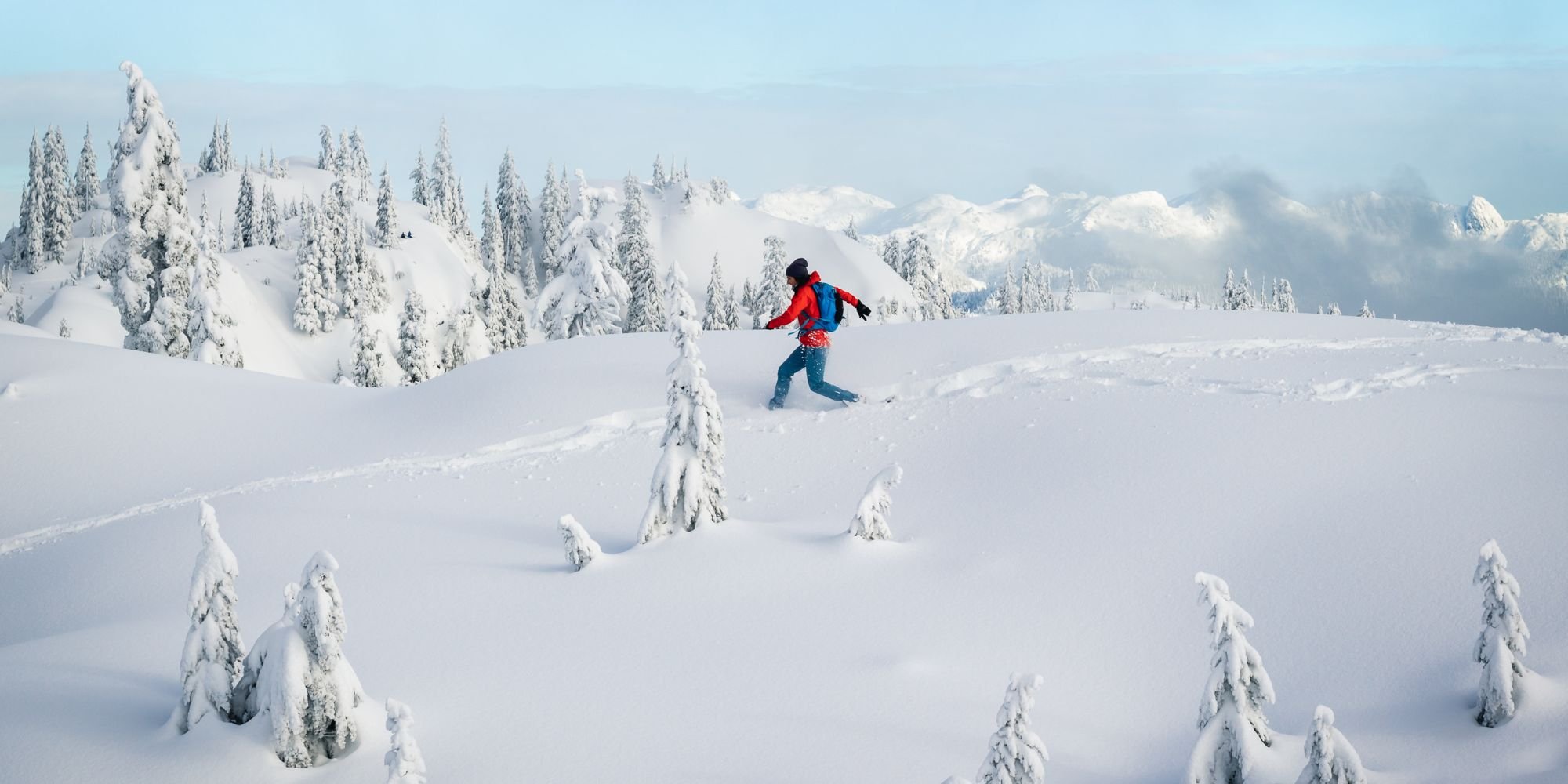
Winter getaways and snowshoeing have the potential to instill a sense of excitement. However, the discomfort caused by cold feet can often tarnish what could have been an enjoyable outing. Wet or numb toes can quickly transform your appreciation of winter. Yet, all of this can be avoided with the right winter hiking gear. In addition to clothing choices, the type of shoes plays a crucial role. This is where winter hiking shoes come into play. Check out our product selection for snow activities as well as all the essential equipment for snow activities.
What types of winter shoes?
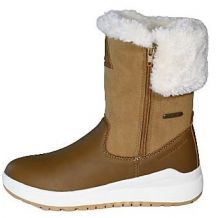
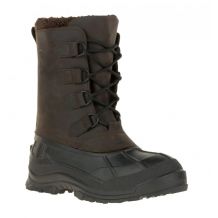
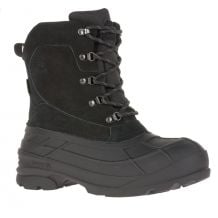
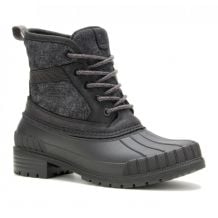
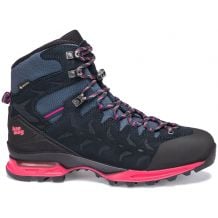
Winter boots do not look alike; on the contrary, they come in many models designed for various uses. This range includes shoes suitable for walks on cleared trails, moderate winter hikes in the great outdoors, as well as demanding winter expeditions involving heavy backpacks, in remote areas and off the beaten path. Don't forget that it is also wise to prepare your transport well by opting for a rolling travel bag to facilitate all your movements.
A distinctive feature is the ability to combine these shoes with snowshoes. Winter hiking shoes designed for this purpose generally have a sturdy upper to prevent the snowshoe straps from putting pressure on the foot. An important specification can also be a reinforced toe cap at the heel, or a point of attachment specially designed for snowshoes, preventing the strap from slipping backward.
What to look for in a winter shoe?
Winter shoes differ from conventional hiking shoes by several key characteristics. Here are the four most notable:
Design and height of the upper:
As previously mentioned, winter shoes are generally characterized by a high upper that extends well above the ankle. This design has several important advantages:
A high upper prevents snow from entering the shoe.
It provides better ankle support, an essential aspect to prevent twisting on snowy trails. Additionally, a sturdy shoe facilitates lateral walking on snow and stabilizes the use of snowshoes.
These design characteristics contribute to the effectiveness and comfort of winter shoes while ensuring adequate protection in demanding winter conditions.
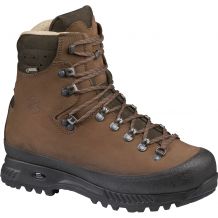
The outer part of a shoe is called the upper, and in the context of winter hiking shoes, leather is often favored as the main material. Leather offers exceptional durability, capable of withstanding sharp ice crystals and the abrasion of snowshoe straps. This is why leather winter shoes are the first choice for demanding hiking and trekking adventures during this season.
For slightly lighter winter shoes, intended for moderate outdoor use, synthetic material inserts are often integrated into the upper, in addition to leather sections. These fabric-like materials are lighter, flexible, and highly breathable. Sturdy fibers like polyamide also ensure the durability and wear resistance of these materials.
Whether made of leather or synthetic materials, the upper of a winter boot must invariably be waterproof. This is generally ensured by an integrated membrane, such as Gore-Tex or other waterproof membranes. In addition to being waterproof, this membrane offers sufficient breathability, facilitating the evacuation of sweat. This aspect is even more crucial in winter, where damp feet are synonymous with cold feet in low-temperature conditions.
To maintain reliable and consistent protection against moisture, it is essential to regularly maintain and waterproof winter boots. Also consider buying shoes for climbing and après-ski if you engage in multiple types of mountain activities during winter.
To keep your feet warm in winter, you need to insulate them
There are various methods to keep feet warm in winter boots:
Winter boots with lining are often the initial choice for many individuals. Indeed, linings offer a variety of options to counter the cold. Among these, examples range from plush sheepskin to a thick lining associated with a waterproof membrane.
Some winter boots include an insulating layer located between the upper and the lining, aimed at preventing cold infiltration, such as G-Loft.
Adding an insulating material under the midsole, at the level of the footbed, can also be an effective approach.
Finally, the design of the insole plays a crucial role, such as a merino wool insole, which helps maintain warmth while limiting odors.
These various techniques aim to ensure optimal thermal comfort during winter adventures, guaranteeing warm and pleasant feet despite freezing conditions.
Winter shoes need ultra-performance grip
The outsoles of winter hiking shoes feature a distinctive profile, adorned with studs and lugs that dig into the snow. Occasionally, additional particles, such as glass fibers or minerals, are incorporated into the rubber of the sole. These particles, resembling tiny spikes, enhance grip during hikes on snow and ice. Furthermore, the composition of the rubber must be adjusted to maintain flexibility at cold temperatures and avoid hardening.
These sole characteristics also impact the midsole. For shoes intended for snowy hiking or snowshoe trails, the midsole tends to be stiffer. This stiffness proves advantageous on snowy surfaces, allowing for precise weight transfer and enabling stable and controlled steps.
Choosing the right size and fit for your winter shoes
When purchasing winter boots, it is of paramount importance not to opt for a size that is too tight. Indeed, when shoes are too narrow (or if the laces are excessively tight), it hinders blood circulation in the feet, contributing to faster cooling. That is why it is recommended to acquire winter hiking shoes that are half a size to a size larger than your usual size.
To ensure sufficient space on the sides, winter hiking shoes are characterized by a wider shape. However, it is important not to exaggerate with lateral space. Indeed, excessively wide shoes can complicate the sinking of the soles into the snow or the necessary stability when using snowshoes. Finding the right balance between comfort and proper fit is essential to ensure a pleasant and secure winter hiking experience.

A good pair of socks also plays a role in preventing cold feet
In addition to shoes, socks play an equally essential role in keeping feet warm. They play a crucial role in fit, moisture management, and insulation of hiking shoes.
Winter hiking socks made from a blend of merino wool and synthetic fibers deliver the best results. Wool ensures heat retention and, to some extent, remains effective even when wet. The synthetic fibers, on the other hand, help evacuate moisture away from the foot to the outside, maintaining a dry and comfortable environment. Check out our selection of socks at AlpinStore! Sports enthusiasts, also discover our selection of trail socks to keep your feet dry during your winter runs.
Additionally, you can add accessories to prevent your feet from getting too cold
In addition to choosing appropriate shoes and socks, these tips can also help keep your feet dry and warm:
Gaiters: They play a key role in preventing snow and water from infiltrating the boots, thus ensuring heat retention at the feet. Check out our selection of gaiters at AlpinStore!
Insulating insoles: The integration of a thin additional insulating layer (potentially equipped with a reflective aluminum coating) under the insole can prevent cold from penetrating the feet from below, especially in low temperatures. However, it is crucial that your shoes provide sufficient space to accommodate these insoles. Boots that are too tight may reduce blood circulation to the feet, causing them to cool down. Additionally, a too narrow fit disrupts the proper fit of the boot, potentially causing blisters by disturbing the precise fit at the heel.
Heated insoles: In very cold weather conditions, using heated insoles can maintain a feeling of warmth in the feet during winter.
Care products: Applying a warming balm for the feet before or after an outing can help stimulate blood circulation, contributing to a feeling of warmth and increased comfort.
By following these tips, in addition to wearing appropriate shoes and socks, you can maximize your thermal comfort and enjoyment during your outdoor winter activities.
In conclusion, if you have the right products, you can drastically reduce the risk of cold feet
Above all, make sure your shoes have adequate insulation. We offer a range of models specially designed to meet various thermal conditions. Thanks to this, you will be able to fully enjoy your outdoor activities while staying comfortably warm, even during the winter months.
.jpg) | Noé NIVAULT, Buyer at AlpinStore Practice: hiking, cycling, running, crossfit Find our favorite products at the bottom of this article as well as our best winter shoe brands such as Meindl, Dolomite, or even Scarpa shoes! |
To learn more, read the following blog article: 5 good reasons to choose leather shoes.